


Best Seasoning for Wagyu Steak: Salt and Pepper Is Enough
Schedule your Wagyu delivery today. Master the best seasoning for wagyu steak with salt and pepper that lets premium marbling shine in every bite.
Schedule your Wagyu delivery today. Master the best seasoning for wagyu steak with salt and pepper that lets premium marbling shine in every bite.

Premium Wagyu does not need much help to taste special. Its abundant marbling brings the rich, buttery character that makes each bite memorable, so a crowded spice cabinet can do more harm than good. Start with a quality steak, keep the seasoning simple, and let the beef do the talking. Browse our Wagyu collection for your next cut.
The best seasoning for wagyu steak is usually coarse salt with a modest amount of freshly cracked black pepper. That simple combination supports Wagyu's rich, buttery flavor instead of masking it. Season close to cooking, then consider a light flaky-salt finish after the steak rests. Ground Wagyu is the exception, since burgers can handle bolder aromatics.
The right approach depends on the cut and the way you plan to cook it. First, consider why highly marbled steak benefits from restraint, then build flavor with carefully chosen salt, pepper, and occasional fresh herbs.
Fullblood Wagyu needs little more than salt and pepper because its abundant marbling already delivers a rich, buttery flavor. A restrained approach lets you taste the beef's subtle character instead of covering it with a heavy rub.
That principle matters most with a highly marbled steak. The fat is not simply an added texture. As it warms, it carries flavor through each bite and creates the tender, rich experience Wagyu is known for.
Wagyu quality is often discussed through its marbling. The Japanese Beef Marbling Standard, or BMS, grades marbling on a 12-point scale. Higher scores indicate more visible intramuscular fat and help explain why premium Wagyu can taste so full without a complex spice blend. The Japan Meat Information Service explains the BMS scale.
Highly marbled Wagyu also contains a higher proportion of monounsaturated fat, including oleic acid, than many other beef types. That fat profile contributes to the soft mouthfeel and rich flavor associated with well-marbled Wagyu. Research on Wagyu composition provides further background on its fatty-acid profile.
When a steak comes from cattle selected for exceptional marbling, the cooking process should reveal that quality. A complicated blend can introduce smoke, heat, sweetness, or bitterness before the beef has a chance to speak for itself.
That does not mean seasoning is unnecessary. Salt sharpens the natural flavor, while freshly cracked pepper adds gentle warmth. The goal is balance, not a flavor contest between the beef and the seasoning.
Premium Wagyu offers more than richness. Its flavor can include subtle savory notes that become difficult to notice beneath garlic-heavy rubs, strong chili blends, or sweet sauces. Minimal seasoning protects those differences from one cut to the next.
For a first tasting, start with a light, even layer of quality salt and a modest amount of pepper. Cook the steak simply, then adjust your approach on the next serving. This gives you a clear reference point for the beef itself.
For more guidance on selecting and preparing a richly marbled cut, use our Wagyu steak guide. A simple approach is especially fitting for beef raised in the open Northern Rockies, where the product's quality should remain the center of the plate.
Salt does more than add salinity. It helps build the savory crust that makes a properly seared Wagyu steak so satisfying. Coarse crystals are easier to distribute across the surface, and their texture works well against the browned exterior.
Season your Fullblood Wagyu ribeye just before it goes into the pan. Salting too early can draw moisture toward the surface before searing, which can interfere with browning. A last-minute coating keeps the exterior ready for heat and helps preserve a clean, crisp crust.
| Salt | Crystal size | Best use | Finish |
|---|---|---|---|
| Table salt | Fine crystals. | Use sparingly when it is the only option. | Quick, even salinity, but less texture. |
| Coarse kosher salt | Large, irregular crystals. | Seasoning before the sear. | Balanced crust and clean texture. |
| Flaky sea salt | Light, delicate flakes. | Finishing after the steak rests. | Bright crunch and a clean final bite. |
A two-salt approach gives you control at two different moments. Coarse kosher salt supports the sear, while Maldon flaky sea salt adds delicate crunch after cooking. This chef-recommended approach separates crust seasoning from finishing texture. Tasting Table describes the two-salt method for seasoning steak.
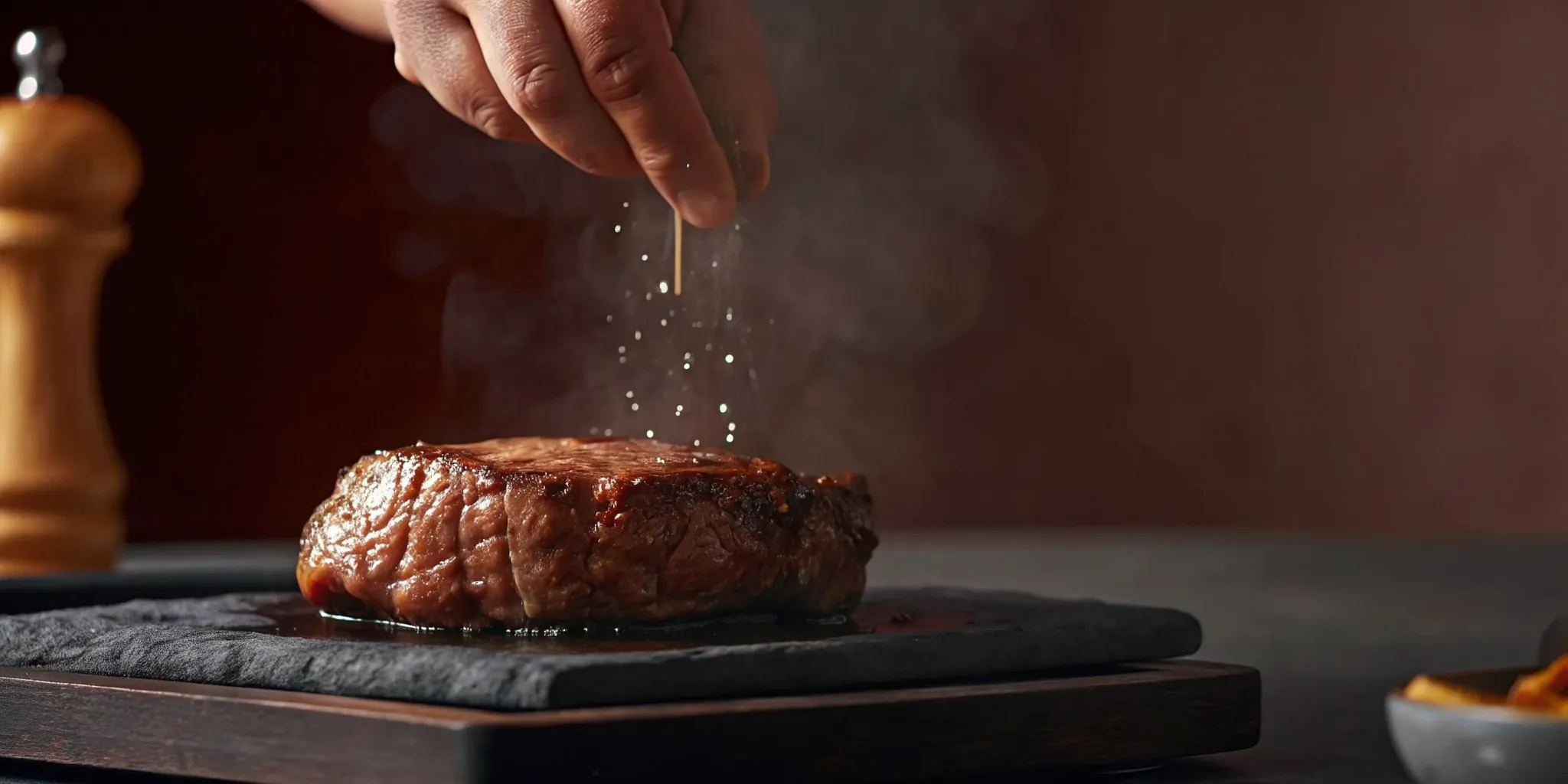
Freshly cracked black pepper completes the pairing. Crack it shortly before cooking so its aroma remains pronounced. Add enough for gentle warmth, not so much that pepper becomes the dominant flavor.
Start lighter than you would with a leaner steak. Wagyu's marbling supplies substantial richness, and high-quality salt makes a measurable difference in taste. Season the top, bottom, and edges with a light, even hand.
After searing, let the steak rest before adding flaky salt. Taste the first slice, then add more only if needed. That restraint lets the beef's buttery character stay at the center of the meal.
For a Wagyu steak, marinades usually add more risk than value. Acid can disrupt the delicate structure of Wagyu fat, while sugar and garlic powders can burn during a hot sear and turn bitter.
Wagyu already brings deep flavor through its abundant marbling. A marinade can cover those natural flavors before you have a chance to taste the beef itself. That is why over-seasoning remains one of the most common mistakes when preparing premium Wagyu.
Ingredients such as vinegar, citrus juice, and wine bring acidity to a marinade. Used heavily or left too long, acidic marinades can prematurely break down Wagyu fat's delicate structure.
The result is not necessarily more tender or flavorful beef. Instead, the steak may take on a sharp outer flavor and lose some of the clean, buttery character that makes Wagyu distinctive. This caution is especially relevant for highly marbled cuts.
For the same reason, avoid treating a premium steak like a tougher cut that needs prolonged soaking. Wagyu benefits from careful heat management and a restrained hand. The how to cook a Wagyu ribeye guide can help with the broader searing process.
Dry rubs can create problems even without an acidic liquid. Sugar-based rubs caramelize quickly, then scorch when the pan or grill reaches searing temperature. Burnt sugar leaves a bitter taste and dark residue.
Garlic powder and other fine powders can burn just as quickly. Their concentrated flavor may become harsh before the steak develops an appealing crust. Save those ingredients for ground Wagyu or lower-heat preparations instead.
A simple seasoning approach keeps the focus on the meat. Salt and freshly cracked pepper are usually enough, especially when the steak is cooked hot and served in modest portions.
If you want more even seasoning, try a light dry brine with fine salt. Apply a small amount, keep the approach restrained, and avoid adding acidic liquids, sugar, or powdered aromatics.
Think of dry brining as a salt adjustment, not a flavor bath. The goal is to support the beef's natural character rather than create a dominant crust. When in doubt, use less and add a small finishing pinch after resting.
For a premium Wagyu steak, restraint is the safer choice. Let the marbling carry the meal, then use fresh herbs or finishing salt only when they serve the final bite.
Fresh rosemary or thyme can complement Wagyu when used sparingly, while a whole sprig in the pan adds aroma without burnt dried pieces. Finish with flaky sea salt after the steak rests, so each bite gets a clean, balanced lift.
Rich Wagyu does not need a layer of herbs. The goal is to add a quiet aromatic note while keeping the beef and its marbling in focus.
Choose one small sprig of rosemary or thyme. Add it to the pan during cooking, then let the warm fat carry its aroma across the steak.
A whole sprig is easier to control than dried herbs scattered over the surface. Dried pieces can scorch during a hot sear and leave bitter flecks behind. Cooking with a fresh herb sprig gives you fragrance without covering the beef.
Remove the sprig before serving if its aroma is strong. A little restraint matters because Wagyu's richness already delivers a full flavor experience.
Let the cooked steak rest before adding the finishing salt. A light sprinkle of flaky sea salt adds texture and sharpens the final bite without overwhelming the crust.
Use your fingers to distribute a small amount across the sliced surface. Large flakes provide brief, bright pockets of salinity instead of making every bite uniformly salty.
Skip heavy compound butter unless the steak needs a specific flavor direction. Butter and herbs can quickly turn a delicate finish into a coating that competes with the meat.
For a clean finish, keep the sequence simple: one fresh herb sprig in the pan, a short rest, and a modest pinch of flaky sea salt. That approach lets the beef remain the centerpiece.
Ground Wagyu is the exception to the light-touch rule. Grinding increases the meat's exposed surface area and spreads fat throughout the mixture, which softens the impact of seasoning so burgers can carry more assertive flavors than an intact steak. Garlic, onion, and Worcestershire can add depth without competing with the beef when used with restraint.
A steak presents one concentrated piece of muscle and marbling. A ground patty has been broken into smaller pieces, then shaped again. That changes how salt and aromatics meet the meat. More surface area means more seasoning touches the outside, while rendered fat and cooking juices distribute flavor across the patty.
That is why a seasoning blend that would overwhelm a ribeye can make a burger taste balanced. Ground Wagyu can tolerate bolder blends than prime steaks because grinding changes its texture and flavor distribution.
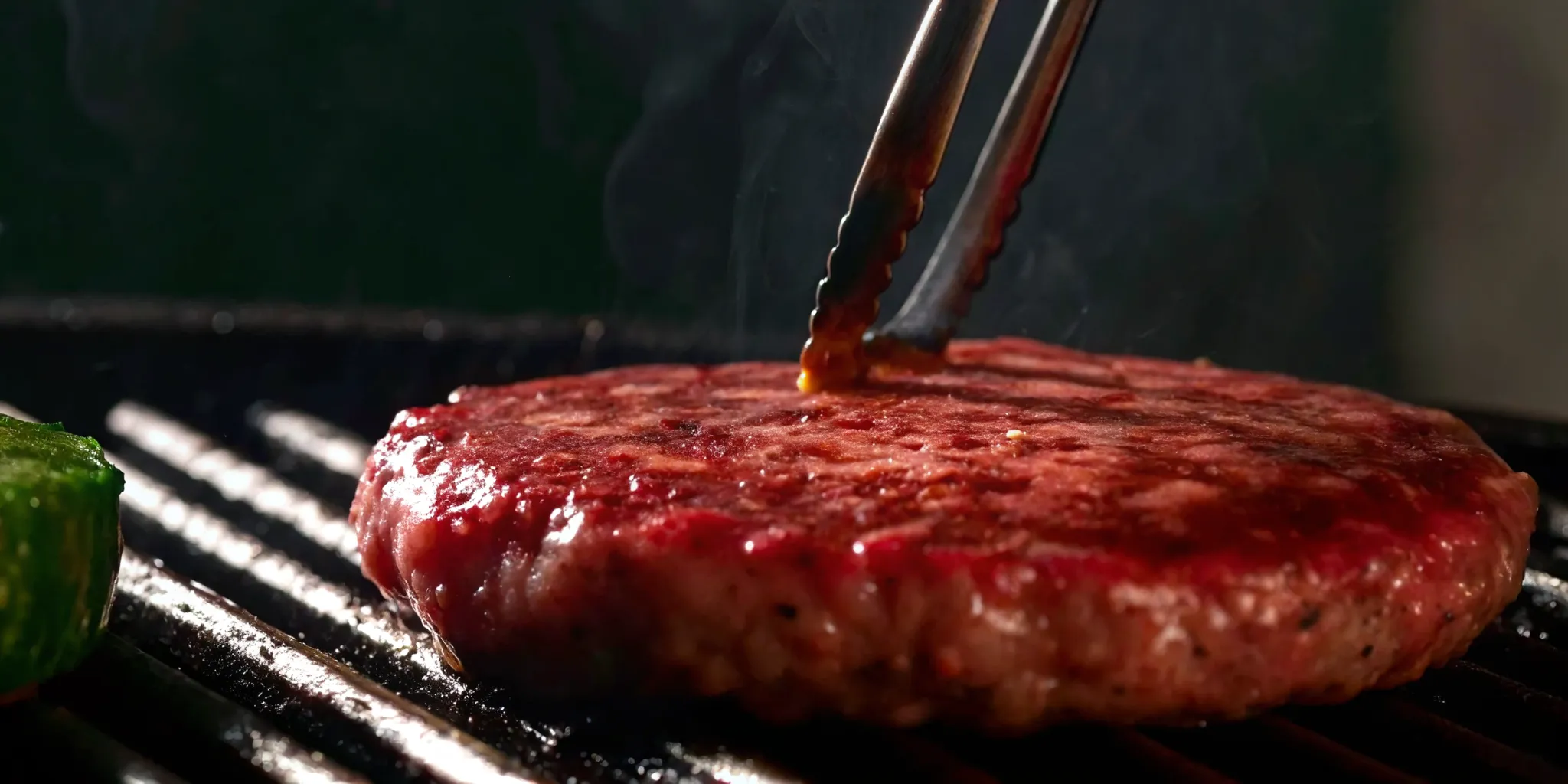
Mix the seasonings evenly, but handle the meat gently. Overworking the mixture can make the patty dense instead of tender. Keep the seasoning focused, then let the beef's marbling provide the richness.
For an intact Wagyu steak, salt and pepper remain the clearest way to protect the beef's natural character. A ground patty has more room for supporting flavors because grinding changes the eating experience before the burger reaches the grill.
Use the bolder approach for burgers, not as a reason to cover every Wagyu cut with a heavy rub. The goal is balance: enough seasoning to stand up to the patty's texture and toppings, while keeping the beef recognizable in every bite.
For a complete patty method, follow our Wagyu burger recipe.
These small corrections keep the seasoning focused and the marbling at the center of the meal. For a premium steak, salt and fresh pepper is enough.
Ready to put this simple approach to work? Shop our Fullblood Wagyu ribeye and other premium cuts, or call the ranch at 801-215-9211.
Yes, but usually very little. A light coating of coarse salt and freshly cracked black pepper supports the beef's natural flavor instead of covering its rich marbling. For premium Wagyu, simple seasoning is the point, not a compromise.
For most steaks, it is an excellent starting point and often all you need. Season just before searing, then add a small pinch of flaky sea salt after the steak rests. Fresh rosemary or thyme can add depth when used sparingly.
Choose coarse kosher salt for seasoning before the sear, or use flaky sea salt for a delicate finishing touch. Coarser grains add useful texture and help build a better crust than fine table salt.
Generally, no. Heavy or acidic marinades can overwhelm the beef's natural flavor and may affect the delicate structure of its fat. A dry seasoning applied just before cooking lets the crust develop while keeping the steak's character front and center.
Yes. Ground Wagyu can handle bolder aromatics such as garlic or onion powder because grinding changes how the flavor and seasoning are distributed. That makes a fuller burger blend more suitable for ground beef than for a highly marbled steak.
When the beef brings its own richness, a simple plate lets the marbling stay at the center. Explore premium Fullblood Wagyu and dry-aged cuts selected for cooks who value flavor, texture, and a straightforward approach. Shop premium Fullblood Wagyu and dry-aged cuts to choose your next steak or ground Wagyu favorite.
Your cart is currently empty.
Start Shopping