


How to Cook Wagyu Filet Tips for Weeknight Steak
Get cook wagyu filet tips for a crisp sear and tender center, with practical skillet, grill, seasoning, thermometer, resting, and serving advice.
Get cook wagyu filet tips for a crisp sear and tender center, with practical skillet, grill, seasoning, thermometer, resting, and serving advice.

Wagyu filet is a tender steak that rewards a hot sear, careful timing, and a short rest. The goal is a browned exterior without cooking past the doneness you want. These cook wagyu filet tips cover skillet and grill methods, seasoning, temperature checks, and sides for an easy weeknight steak. Contact Slickhorn Ranch for help choosing a cut for your next steak night.
Ask a question about choosing your steak.
Cook Wagyu filet over strong, direct heat and use a thermometer rather than relying only on the clock. Pat the steak dry, season simply, sear each side, and let it rest before serving. Filet is tender, and a small change in cooking time can shift the center from the doneness you want.
Begin by checking the thickness. Two filets of the same weight can cook at different speeds if one is wider and thinner. Let the steak sit out briefly while you prepare the pan or grill, but do not leave raw beef at room temperature for an extended period. Blot the surface dry with paper towel. A dry surface browns more readily than a damp one.
Season just before cooking. Coarse salt and freshly ground pepper are enough to let the steak speak for itself. Skip sugary rubs for a fast, high-heat sear because they can darken before the center is ready. If you want garlic or herbs, add them near the end of pan cooking so they flavor the butter without scorching. Heavy marinades are not needed and can leave the surface wet.
Heat a heavy skillet until very hot, then add a thin film of high-heat cooking oil. Lay the steak away from you to reduce splatter. Let the first side brown undisturbed, then turn with tongs and sear the other side. Briefly hold the edges against the pan if they need color. Insert an instant-read thermometer into the side of the filet toward the center to check progress.
There is no single clock time that fits every steak. Thickness, starting temperature, pan material, and burner strength all matter. Use time as a reminder to check, not as proof of doneness. Pull the steak before it reaches your final preferred temperature because residual heat continues to cook it as it rests. For a cooking perspective on seasoning and the short cooking window often associated with Wagyu, read Escoffier's Wagyu cooking tips.
Use a deliberate sequence when you cook: dry and season the steak, preheat the surface, sear without moving it constantly, then check the center and adjust the heat if needed. If a filet is particularly thick, sear both faces first and finish it more gently over indirect heat or in a moderate oven. That gives the middle time to warm without leaving the exterior over the flame. For a thin filet, skip the extended finish and start checking early. The point is not to follow a fixed number of minutes; it is to match the method to the steak in front of you.
Keep the kitchen setup simple. A plate for resting, tongs, an instant-read thermometer, and a timer are enough. If you are using a cast-iron pan, use an oven mitt when moving it because the handle heats up too. Put a trivet nearby before you begin so you do not have to search for a safe place for a hot pan. These small preparations matter when the cooking window is short.
Set out your tools and sides before cooking, because filet cooks quickly once its surface is searing. Dry the steak, season it simply, preheat the cooking surface, and keep a thermometer, tongs, and resting plate within reach. A little setup lets you focus on doneness instead of rushing around the kitchen.
If the filet is frozen, thaw it safely in the refrigerator rather than trying to cook a frozen center in a hot pan. Pat it dry after thawing. For more options to plan around, browse the Wagyu steak collection, or compare with the USDA Prime and Choice collection. These collections help you consider a different style of steak if filet is not right for the meal.
Keep the seasoning uncomplicated the first time you cook a particular cut. A heavy marinade can mask flavor and leave the surface wet, which works against browning. If you want a finishing touch, add a small pat of butter or a pinch of flaky salt after cooking. An instant-read thermometer and a timer are helpful, but only the thermometer checks the steak itself; a timer cannot account for every pan or thickness.
Think through the order of the meal, too. Choose sides that can finish while the steak cooks, such as vegetables already roasting or a salad that only needs dressing. Avoid starting a time-consuming side after the filet leaves the pan. If you are cooking more than one steak, set out a clean plate for each finished piece and check the thickest filet first. When steaks vary in thickness, the thinner ones may be ready sooner; take each off the heat when it reaches the doneness you want instead of waiting for the whole batch to match one clock.
For a shared dinner, make sure there is enough pan space for each steak to make full contact with the hot surface. If the pan is crowded, cook in batches and let it regain heat between them. A busy pan cools quickly and can steam the meat instead of browning it. Keep raw-steak plates and utensils separate from the clean serving plate, and wash hands and tools after handling raw meat.
A skillet is a dependable choice for a quick sear and close control, while a grill adds smoky, open-flame character. Reverse searing can suit a thick filet when you want a gentler warm-up before browning. Choose based on thickness, equipment, and the crust you want, rather than assuming every steak needs one method.
| Method | Best fit | What to do | Watch for |
|---|---|---|---|
| Heavy skillet | Weeknight filet and precise searing | Preheat well, sear both sides, and check the center. | A very thin steak can overcook quickly; a cool pan leaves a pale surface. |
| Outdoor grill | Steaks with char and smoky flavor | Preheat and clean the grate, then sear over direct heat. | Flare-ups can scorch the outside, so stay close and move the steak if needed. |
| Reverse sear | Thicker filets and gradual heating | Warm gently in a low oven, then finish with a fast pan sear. | It takes longer and still needs a thermometer. |
| Sous vide, then sear | Cooks already using a water bath | Cook to the chosen doneness, dry thoroughly, then sear quickly. | Follow a reliable time-and-temperature guide for your equipment and steak thickness. |
For a classic weeknight, the skillet usually wins on simplicity: one pan, one steak, and quick cleanup. A grill works well when you are already cooking outdoors or want the steak to share smoky notes with vegetables. If cooking multiple steaks, work in batches rather than crowding the pan. Crowding lowers the pan temperature and traps moisture around the meat. On a grill, set up a hot zone for searing and a cooler zone where you can move a steak if the outside colors too fast. Close the lid between checks if your grill needs it to hold heat, but stay nearby once the filet is over direct flame. Use clean tongs to turn it, and avoid pressing down on the steak; pressing does not improve the sear and can squeeze juices onto the cooking surface.
For a skillet, you can baste briefly with butter near the end, tilting the pan and spooning it over the top. Keep that step short so the butter does not scorch. Turn the steak with tongs; piercing it with a fork can make handling less tidy. If the surface begins to darken faster than expected, lower the heat or move the steak briefly to a cooler area. Do not pour water into a hot pan to cool it; remove the steak and adjust the burner instead.
Filet is naturally tender, so it does not need an elaborate technique. A simple pan sauce can be made after searing; add it after removing the steak instead of letting it burn in the skillet. If you are deciding between filet and a richer cut, a Wagyu ribeye offers a different balance of texture and marbling. See the Wagyu filet option to consider a filet for your table.
Use the grill's layout to manage variation. Sear over the hot side, then shift a steak to the cooler side if the outside is ready but its center needs more time. This is especially useful when cooking several filets with slightly different thicknesses. On a stovetop, a similar adjustment is to move the pan off the burner briefly or reduce the heat after the crust forms. Keep checking the internal temperature rather than turning these adjustments into a new timing formula.
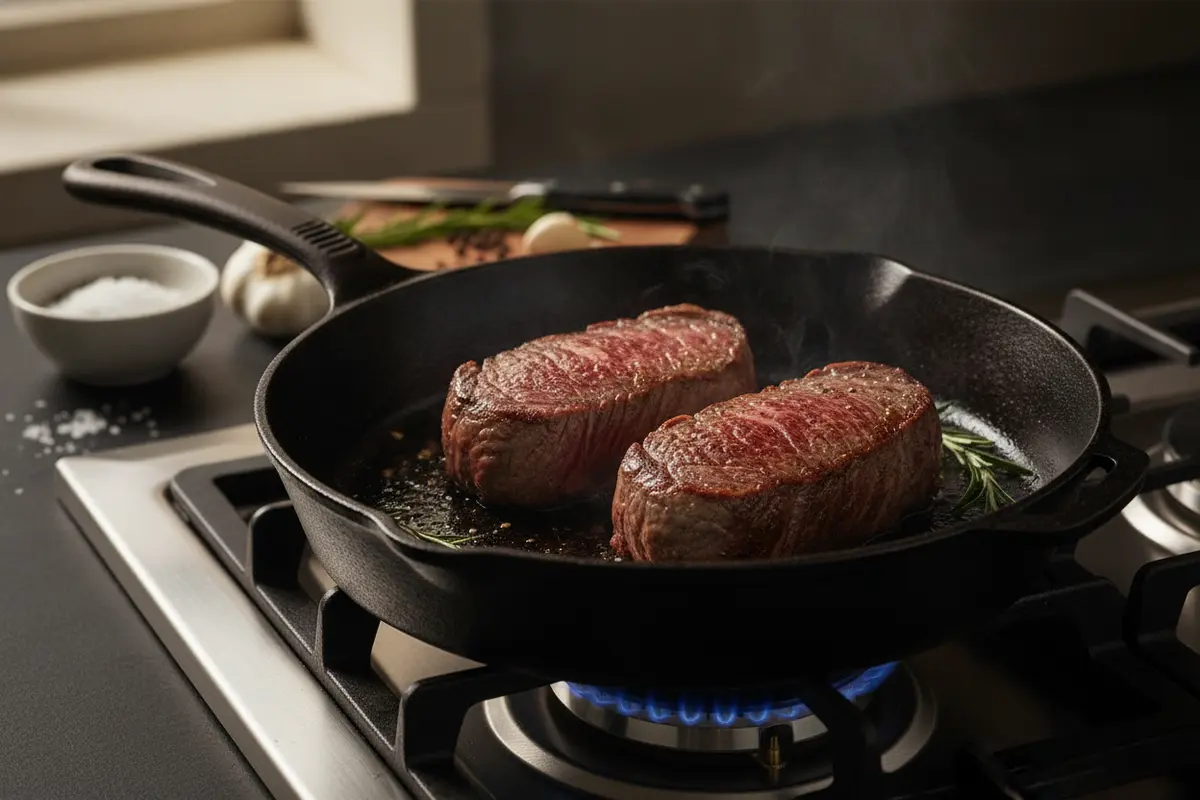
When comparing methods, think about the finish you want and the time you have. A skillet puts the steak close to the cook and makes it easy to baste, but it can create more splatter. A grill frees up the kitchen and adds char, though flare-ups demand attention. Reverse searing separates the slow warm-up from the fast crust-building step; it is useful for a thick steak but takes planning. If the equipment feels unfamiliar, choose the method you can control confidently. Consistent heat and a temperature check matter more than using a complicated technique.
Use an instant-read thermometer in the thickest part of the steak and check again as it approaches your preferred doneness. Color and touch can mislead, especially with a small filet. Remove the steak before its final target temperature, then allow for carryover cooking during the rest.
Insert the thermometer horizontally from the side so the tip reaches the middle without touching the pan. Check each filet separately if their thicknesses differ. Keep the probe clean between uses. Choose your doneness before cooking and use a reliable food-safety temperature guide for the cut and diners you are serving. Recommendations can differ for whole cuts and ground beef, so do not transfer ground-beef guidance to an intact steak or vice versa.
The FDA's meat and poultry food-safety guidance includes temperature information, particularly for people at higher risk from foodborne illness. When cooking for someone pregnant, very young, older, or immunocompromised, consult current official guidance and their clinician's advice. A thermometer is more reliable than judging doneness by color alone.
As you gain experience with a particular pan and cut, jot down thickness, method, and approximate timing if that is useful. Use notes to anticipate when to check, not as a substitute for checking. The center keeps warming for a short time after the steak leaves the heat, so pulling at the exact final reading can leave it more done than intended.
Take the reading in more than one spot if the filet is unusually thick or shaped unevenly. The very center is the useful reading; a probe that slips too close to the pan or comes out the side can give a misleading result. If the first reading is below your preferred point, return the steak to the heat briefly and check again. Small increments are easier to manage than leaving it on for a long stretch and hoping it lands exactly where you want.
Keep your preferred doneness and food-safety needs in view at the same time. Diners may prefer different levels of doneness, and people at higher risk from foodborne illness may need extra care. Use official guidance for safe handling and cooking, and do not rely on the center's color or the steak's firmness as a safety test. A thermometer gives you a useful measurement; clean handling before and after cooking is part of the same routine.
Rest the filet briefly on a warm plate or board so it settles and is easier to serve. Avoid wrapping it tightly, which can soften the crust with trapped steam. Serve it whole or slice just before serving, with the juices and finishing salt kept on the plate.
As a practical starting point, give a small filet several minutes to rest; a thicker steak may benefit from a little longer. It does not need to sit until cold. Use the pause to finish a side or warm plates. If you make a pan sauce, loosen the browned bits after removing the steak and spoon a modest amount alongside it so the crust remains visible.
Filet's compact shape makes it easy to serve as a single portion. For a shared meal, place the steaks on a board and let guests cut their own portions. Keep the knife sharp and slice cleanly rather than pressing down. A little flaky salt or cracked pepper adds contrast without covering the flavor. If serving several guests, cook in batches and let each steak rest as it finishes. Avoid covering a hot filet tightly while waiting; trapped steam can soften its crust. Keep the side dishes ready before the first steak comes off heat, then plate promptly.
For a simple balance, pair one rich element such as buttery potatoes with something bright, like a lemon-dressed salad or grilled vegetables. Set sauces on the side so each person can decide how much to add. This keeps the steak's seared surface and its own flavor at the center of the plate. If you slice the filet before serving, cut across the steak in clean strokes and arrange the slices loosely rather than stacking them in a way that traps steam.
Choose sides that bring crunch, acidity, or freshness: roasted potatoes, a crisp salad, grilled asparagus, or simply dressed greens. A rich steak does not need a complicated plate. For a special occasion, consider a Wagyu sampler box or explore curated beef boxes. A Wagyu chuck eye offers another steak-night option with a different shape and cooking experience.
Make the resting pause part of your serving plan rather than an extra delay. Warm plates, finish the vegetables, and put out salt and sauce while the steak rests. If you need to hold food for a few minutes, keep the filet uncovered or very loosely tented instead of sealing it under foil. That helps preserve the browned surface. Bring the steak to the table soon after resting, while the center is warm and the contrast between crust and tender interior is at its best.
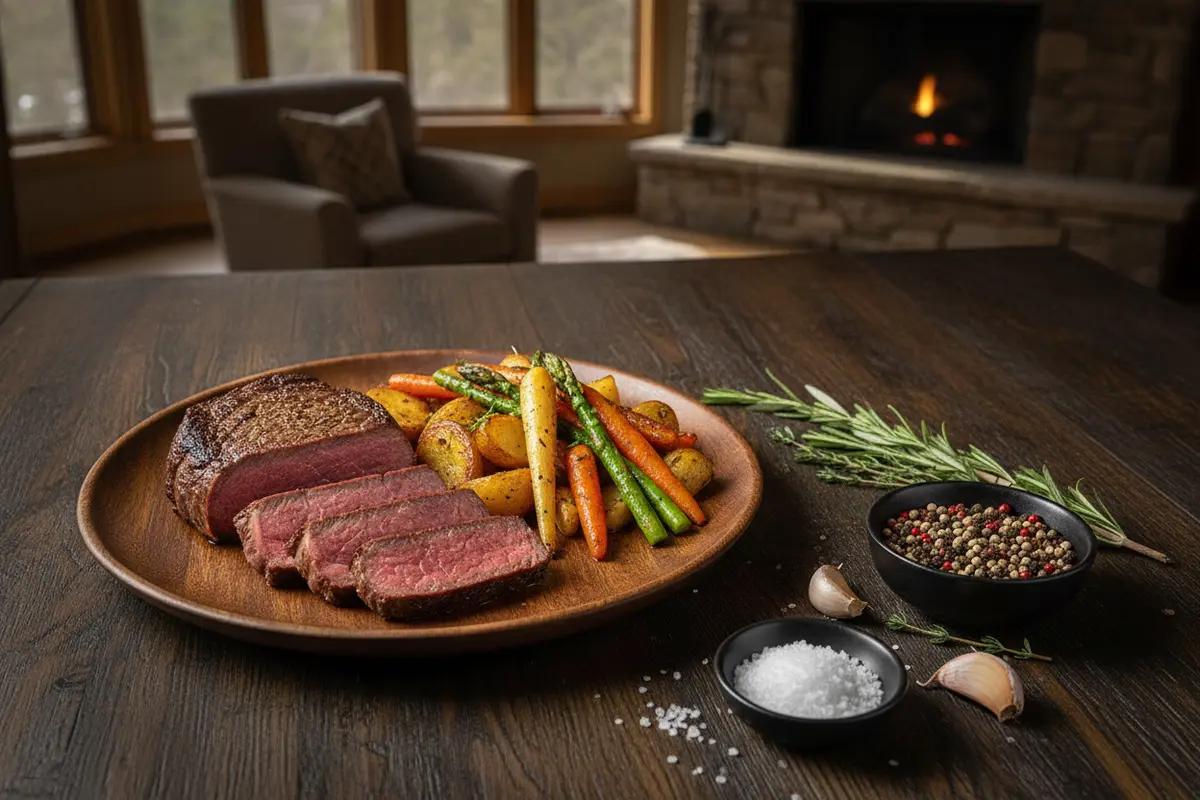
Common problems include starting with a wet steak, cooking by the clock alone, turning it before a crust develops, and skipping the rest. Filet does not need heavy seasoning or a long marinade. Use a hot surface, monitor the center, and make small adjustments instead of chasing a perfect-looking crust at any cost.
A damp surface steams before it browns. Pat the steak dry before seasoning, and do not add it to a pan that is still warming. A pan smoking heavily can burn oil or seasonings, so preheat it until hot and manage the heat if the crust darkens too quickly. If the steak sticks at first, give it time to form a seared surface before trying to turn it.
Another mistake is assuming all premium steaks cook alike. A filet and a thick ribeye differ in shape and marbling, so use the steak's own thickness and temperature as guides. If you want a different shape, compare a Wagyu flank steak or a Wagyu hanger steak. Avoid treating one exact cook time as a promise for every cut. Finally, do not carve immediately off the heat; a short rest gives you time to finish the plate and keeps dinner from feeling rushed.
Do not try to fix a pale crust by leaving the steak over low heat indefinitely. If the surface is not browning, the pan may not be hot enough or the meat may still be damp. Lift the filet, dry any visible moisture, and allow the cooking surface to recover before continuing. If you have already cooked the center close to your preferred doneness, accept a lighter crust rather than risk overcooking it just to darken the outside.
Likewise, repeated flipping and pressing do not make the filet cook more evenly. Too much handling interrupts contact with the pan and makes it harder to judge when a proper crust has formed. One controlled turn is a good default for a straightforward sear, though you can turn more often if your chosen method calls for it. The thermometer, not the number of turns, tells you when the center is ready.
Finally, plan the serving moment. A steak left on a hot pan keeps cooking, while a steak cut immediately can lose juices across the board. Move it to a clean resting surface as soon as it comes off the heat. Keep raw-meat tools away from the cooked steak, and do not reuse a plate that held raw meat unless it has been washed. A tidy sequence protects both the crust and the meal.
Explore Wagyu cuts and plan your next steak night.
Wagyu filet is straightforward when you prepare first, sear over high heat, and check the center with a thermometer. These answers cover seasoning, thawing, resting, and choosing between filet and other cuts for a weeknight meal.
Usually, a marinade is not needed. Salt and pepper let the steak's flavor come through, and a wet marinade can make browning harder. If you prefer a marinade, keep it light, pat the surface dry before cooking, and avoid sugary ingredients for a very hot sear.
For the most even result, thaw it safely in the refrigerator first, then dry and season it. A frozen center and hot exterior are harder to coordinate in a small steak. Follow the product's handling instructions if they provide specific thawing advice.
No. A small amount of high-heat oil helps start a skillet sear. Butter can be added near the end for flavor, but it is optional and can burn if left over high heat too long.
Let it rest for several minutes as a practical starting point, adjusting for thickness. The purpose is to let the steak settle, not cool completely. Use the time to finish sides and bring the meal to the table promptly.
Not necessarily. Filet suits a meal when you want a compact, tender steak, while other cuts offer different shapes and textures. Browse Fullblood Wagyu options and choose based on the meal, diners, and cooking method.
Choose a Wagyu cut for your next steak night.
Keep the technique simple: dry the steak, season it, sear with attention, check the center, and let it rest. With those basics in place, a Wagyu filet can make an ordinary weeknight feel like a proper steak dinner.
Your cart is currently empty.
Start Shopping