


How to Cook Wagyu Teres Major for a Tender Center
Get a practical pan-sear and grill method for Wagyu teres major, with prep, timing cues, slicing tips, and ways to serve this tender shoulder cut.
Get a practical pan-sear and grill method for Wagyu teres major, with prep, timing cues, slicing tips, and ways to serve this tender shoulder cut.

To cook Wagyu teres major, keep the method simple: dry the steak well, season it, sear it over high heat, then rest and slice across the grain. This shoulder cut is compact, tender, and well suited to a hot pan or grill. Choose a Wagyu cut for your next meal.
The teres major is sometimes sold as shoulder tender. It is a single muscle from the shoulder, rather than a long strip or a large roast, so it cooks quickly and rewards a little attention. For the best result, rely on a hot cooking surface, a thermometer, and the feel of the steakânot a rigid minute count. Steak thickness, starting temperature, and the heat of your pan or grill all affect timing.
This guide walks through prep, pan-searing, grilling, doneness checks, resting, slicing, and serving. For Slickhorn Ranchâs specific Wagyu teres major, start with the Wagyu teres major steak page for product details. For the broader difference between available cuts, browse the Wagyu steak collection.
Wagyu teres major is a compact shoulder steak that cooks well with direct, high heat. Patting the surface dry helps it brown, while a short rest and careful slicing help preserve a juicy, tender bite.
The name can be unfamiliar, but the cut is straightforward to cook. Teres major is also known as shoulder tender, a name that points to its location and shape. The USDAâs retail beef cuts reference lists shoulder tender and teres major together in its cut data, which can help when you see either name at a butcher counter. Consult the USDA retail beef cuts data for that terminology.
Think of it as a small steak that needs a well-browned outside and a controlled center, not a long braise. Wagyuâs marbling brings richness, so seasonings can stay restrained. Salt and pepper are enough to let the beef lead. A little neutral high-heat oil helps prevent sticking; you do not need to coat the meat heavily.
Because teres major is an individual muscle, thickness and shape may vary. One end may taper more than the other. If one end is noticeably thinner, monitor it as you cook and move it away from the hottest spot if it finishes sooner. If you are comparing cuts for a dinner, the Wagyu ribeye offers a familiar, broader steak format, while a Wagyu filet is another compact steak option.
Prepare teres major by thawing it safely, removing surface moisture, and seasoning just before it hits the heat. Let the pan or grill become properly hot first; a dry surface and steady heat make browning easier to control.
Avoid crowding a pan. If cooking more than one steak, leave room around each piece so the pan stays hot rather than steaming the meat. A small amount of high-heat oil is enough. With a richly marbled Wagyu steak, start with less added fat than you might use for a leaner cut.
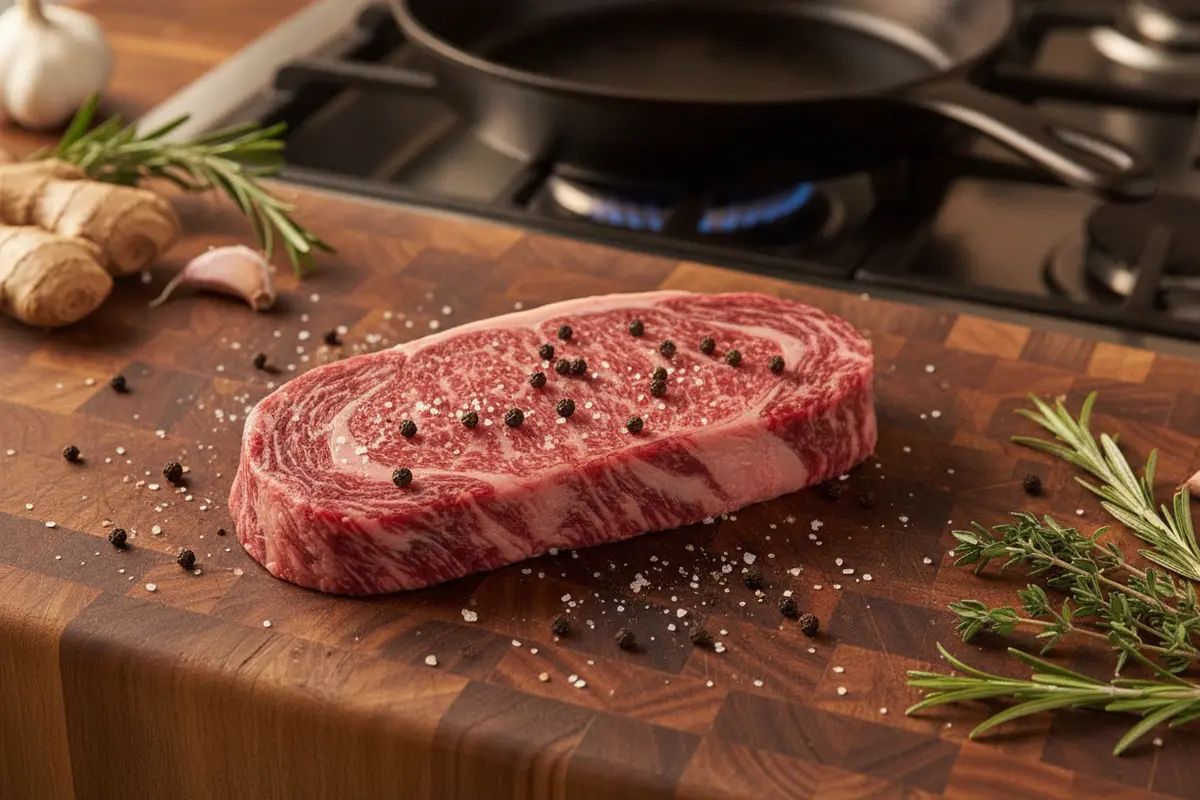
For a varied steak dinner, teres major can sit alongside a familiar cut from the Wagyu steak selection. A thicker ribeye may need a different cooking approach and more time than this smaller shoulder cut. You can also browse the Wagyu Sampler Box when choosing several cuts for a meal or a tasting.
For a pan-seared teres major, preheat a heavy skillet, add a small amount of oil, and sear the steak on all sides. Turn it as needed to build an even crust, then use a thermometer to check the center and remove it when it reaches your chosen doneness.
A cast-iron or heavy stainless-steel skillet holds heat well. Set it over medium-high to high heat. Add a thin film of neutral oil, then lower in the steak away from you. The first contact should produce a clear sizzle. If the pan is smoking heavily, reduce the heat slightly before the oil or meat begins to scorch.
Let the first side brown without constantly moving the steak. Turn it once a crust has formed, then brown the other broad side. Since teres major is usually rounded, use tongs to sear the narrow edges too. Rotate the steak if your pan has a hotter zone. You are aiming for an even browned exterior, not a blackened crust.
Start checking early, especially if the steak is slender. Insert an instant-read thermometer into the thickest part from the side when possible, avoiding the pan and any large fat seam. Check more than one spot if the steak tapers. Choose a doneness that suits your table and follow current food-safety guidance for the type of steak you are cooking. The thermometer gives a more dependable signal than guessing by time alone.
For added aroma, lower the heat near the end and add a small knob of butter, a crushed garlic clove, or a sprig of thyme. Tilt the pan and spoon the foaming butter over the steak briefly. This is optional; it is easy to overdo, and the beef should remain the main flavor.
Move the steak to the clean resting plate as soon as it reaches your preferred doneness. Do not leave it in the hot skillet while you prepare sides. Residual pan heat can push a small steak past the point you intended.
Both methods work. Choose a skillet when you want close control and an even crust; choose the grill when you want open-flame flavor and have a clean, hot grate. In either case, watch the center closely because the cut is relatively compact.
Grilling suits a relaxed meal outdoors, especially when the fire is already going for other food. Clean and oil the grate, then heat the grill. Set the steak over direct heat to brown it, turning with tongs as the crust develops. If the outside is ready before the center, move the steak to a cooler area and finish more gently with the lid closed.
A pan is the easier choice when you want to watch the sear closely or cook just one steak. It gives you direct feedback through the sound of the sizzle and makes it easy to spoon a small amount of butter over the surface at the finish. Use a splatter screen if needed, but do not cover the pan tightly; trapped steam softens the crust.
| Method | Best for | What to watch | Practical move |
|---|---|---|---|
| Heavy skillet | One or two steaks and close control | Pan heat and a fast-cooking center | Sear broad sides, then briefly brown the edges |
| Outdoor grill | Open-flame flavor and cooking alongside other food | Flare-ups and uneven hot spots | Sear over direct heat, then shift to a cooler zone if needed |
| Reverse sear | A thicker piece when you want a gentler warm-up before browning | Small or thin steaks can overcook quickly | Use gentle indirect heat first, then finish with a short, hot sear |
Reverse searing is a useful option only when the piece is thick enough to benefit from a slower warm-up. It is not necessary for every teres major steak. For a thinner piece, a direct sear with careful thermometer checks is simpler. For another grill-friendly Wagyu cut with a different shape, compare the Wagyu bavette or Wagyu flank steak; both should still be sliced across their grain after cooking.
Use an instant-read thermometer in the thickest part rather than relying on a fixed cooking time. Check early, account for the steakâs shape, and remember that carryover heat continues cooking it after it leaves the pan or grill.
Cooking time varies with thickness, starting temperature, pan or grill heat, and the steakâs exact shape. That is why a single time estimate can mislead. If you want to plan ahead, use time only as a reminder to begin checkingânot as a guarantee that the center is ready.
Insert the thermometer into the center of the thickest section. If the steak is unusually tapered, check the thick and thin areas separately. Pull the steak when it is just shy of your intended final result, allowing for a modest rise in temperature as it rests. Keep the probe clean, and avoid touching the cooking surface or bone if present.
Color is a weak guide on its own. Lighting, the cut, and the angle of the slice can change how cooked meat appears. If you are cooking for guests with different preferences, do not cut the steak open repeatedly to check it; that lets juices escape and still does not provide a precise center reading. A quick temperature check gives you better information.
If a steak needs more time, return it to the heat for a short interval and check again. Small cuts can move from underdone to overdone quickly. Work in short increments as you approach the doneness you want.
Rest teres major briefly on a clean board after cooking, then identify the direction of its muscle fibers and slice across them. Thin cross-grain slices shorten the fibers in each bite and make the steak easier to chew.
Set the cooked steak on a warm plate or board and give it several minutes before slicing. Resting gives the temperature time to settle and reduces the rush of juices when you cut. A small steak does not need a long wait, but cutting the instant it leaves the heat can make the board wetter and the slices less composed.
Look for the lines running along the muscle. Position your knife perpendicular to those lines and make clean slices across them. If the steak is long, you can first divide it into shorter sections, then slice each section across its own grain. Use a sharp knife and avoid pressing down hard.
Serve the slices as they are, or finish with flaky salt, a little pan juice, and a simple side. Roasted potatoes, grilled vegetables, or a crisp salad provide contrast without competing with the richness. If you want a larger spread, pair the steak with other items from the curated beef boxes selection or explore the Fullblood Wagyu collection for another meal.
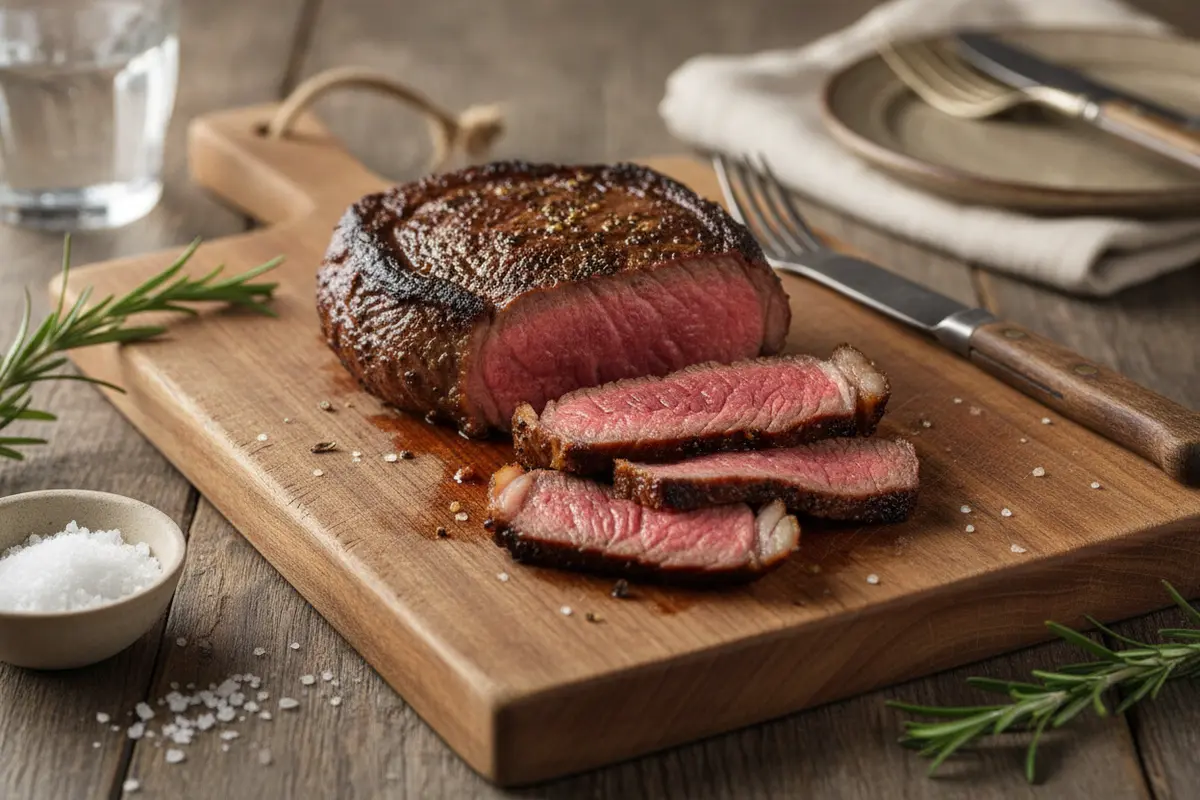
The main avoidable mistakes are cooking a wet steak, using a cool pan, overcooking a small cut, skipping the rest, and slicing with the grain. A few careful checks matter more than elaborate marinades or complicated equipment.
Keep the workflow simple: prepare sides first, cook the steak last, rest it while you finish the table, and slice just before serving. If you are learning to cook different steaks, the Slickhorn Ranch recipe collection offers more ideas for planning a meal around beef.
Explore Fullblood Wagyu for your next cook.
Wagyu teres major is quick to prepare with a hot pan or grill, a thermometer, and a short rest. These answers cover alternate cut names, seasoning, timing, and what to do when the steak tapers.
Yes. Teres major is commonly called shoulder tender. The name refers to the muscleâs location and shape. Check the product label or ask your butcher if you are unsure which cut you have.
You can, but a marinade is not required. Salt and pepper let the beefâs flavor come through and avoid adding extra moisture before searing. If you do use a marinade, blot the surface well before cooking so it can brown rather than steam.
There is no single reliable time. Thickness, starting temperature, and cooking-surface heat all change the timing. Start checking the center early with an instant-read thermometer, and use your preferred doneness and current food-safety guidance to make the final call.
Turn the steak as needed and move the thin end away from the hottest area if it begins cooking faster. Check both the thick and thin sections. You can also remove a finished thin portion first and let the thicker section continue.
Yes. Sear it over direct heat, turning to brown the surfaces, then move it to a cooler zone if the outside is ready before the center. Keep an eye on flare-ups and use a thermometer to avoid guessing.
Pick a steak, keep the seasoning straightforward, and let heat do the work. A browned crust, a measured center, and a cross-grain slice are the difference between a rushed steak and one worth slowing down for.
Browse the Wagyu teres major or ask a question through the Slickhorn Ranch contact page. From a Northern Rockies ranch table to your own kitchen, good beef calls for a hot pan, a sharp knife, and no unnecessary fuss.
Your cart is currently empty.
Start Shopping