


How to Cook New York Strip Steak Perfectly
Get steakhouse results at home. Learn how to cook New York strip steak in a pan or on the grill, hit the right temperature, and rest it well.
Get steakhouse results at home. Learn how to cook New York strip steak in a pan or on the grill, hit the right temperature, and rest it well.

A great New York strip steak starts with high heat and ends with a patient rest. The real trick is building a dark crust without pushing the juicy center past your preferred doneness. This guide shows you exactly how to cook New York strip steak in a cast-iron pan or on the grill.
Shop dry-aged New York strip steak and other premium steaks from Slickhorn Ranch.
Pat a one-inch New York strip dry, season it, and sear it in a hot cast-iron pan or over direct grill heat for about three to four minutes per side. Check the center with an instant-read thermometer, pull it before the target temperature, then rest it for five minutes before slicing.
You do not need a lot of gear to use beef cooking temperatures for your meal. A heavy cast-iron pan is the top choice because it holds heat well and creates a better crust. You will also need a pair of tongs to flip the meat without poking the surface. A digital meat tool is the only way to be sure your steak is safe and cooked to your liking.
Per the USDA, the safe minimum inside heat for beef steaks is 145 degrees Fahrenheit followed by a three-minute rest. Using a probe helps you hit this goal without overcooking the meat. This tool is vital because you cannot find harmful germs by sight, smell, or taste alone.
Thick steaks need extra care before they hit the heat. A dry-aged New York strip steak often comes in cuts around one inch thick. This size is best for even cooking from the edge to the center. Take the meat out of the fridge about thirty minutes before you start to help it cook more evenly. Pat the surface dry with paper towels so the wetness does not steam the meat in the pan.
Once your pan is hot and your meat is ready, follow this simple process for a great meal. This method works well for most thick cuts of beef.
Resting is a key part of the process that many people skip. It lets the juices move back through the meat so they do not run out when you take the first bite. A five-minute rest is enough to make the texture soft and full of flavor. If you want more tips on high-grade beef, you can check out a Wagyu steak cooking guide for more soft cuts.
For a strong cast-iron sear, dry and season the steak, heat the pan until very hot, render the fat cap, and cook each broad side until browned. Finish over gentler heat if needed, check the center with an instant-read thermometer, and rest before slicing.
To master how to cook new york strip steak in a pan, you should use a heavy cast iron pan. This tool holds heat well and gives your meat a dark, tasty crust. Start by patting the meat dry with a paper towel. Remove any moisture so the beef sears instead of steams. Season the cut with a good amount of salt and pepper. A steak with one inch of thickness is often best for even cooking.
Heat your pan over high heat until it starts to smoke. Add a small amount of oil that can take high heat. Place the steak in the pan by first searing the thick strip of fat along the side. Hold the beef with tongs and press the fat cap against the hot metal for about a minute. This step melts the fat and adds deep flavor to the dish. Once the fat is crisp, lay the steak flat to start the main sear.
Let the first side cook for about three to four minutes without moving it. You want to build a rich brown crust. Flip the meat only once to keep the heat steady. For a medium-rare finish, the second side usually needs another three to four minutes of high heat. If you use a very thick cut, you may need to lower the stove heat slightly after the flip. This helps cook the middle without burning the outside.
In the last two minutes of cooking, you can add a bit of butter, garlic, and fresh herbs to the pan. Tilt the pan and spoon the melted butter over the beef. This step adds a nutty taste and keeps the meat moist. Always use a food thermometer to check the heat inside the meat. Following proper beef cooking temperatures ensures your meal is both safe and tasty.
Move the steak to a board or warm plate. Do not cut into it right away. Letting the beef rest for five minutes lets the juices settle back into the meat. This wait makes every bite tender and full of flavor. For the safest results, the minimum internal temperature should reach 145 degrees Fahrenheit with a three-minute rest.
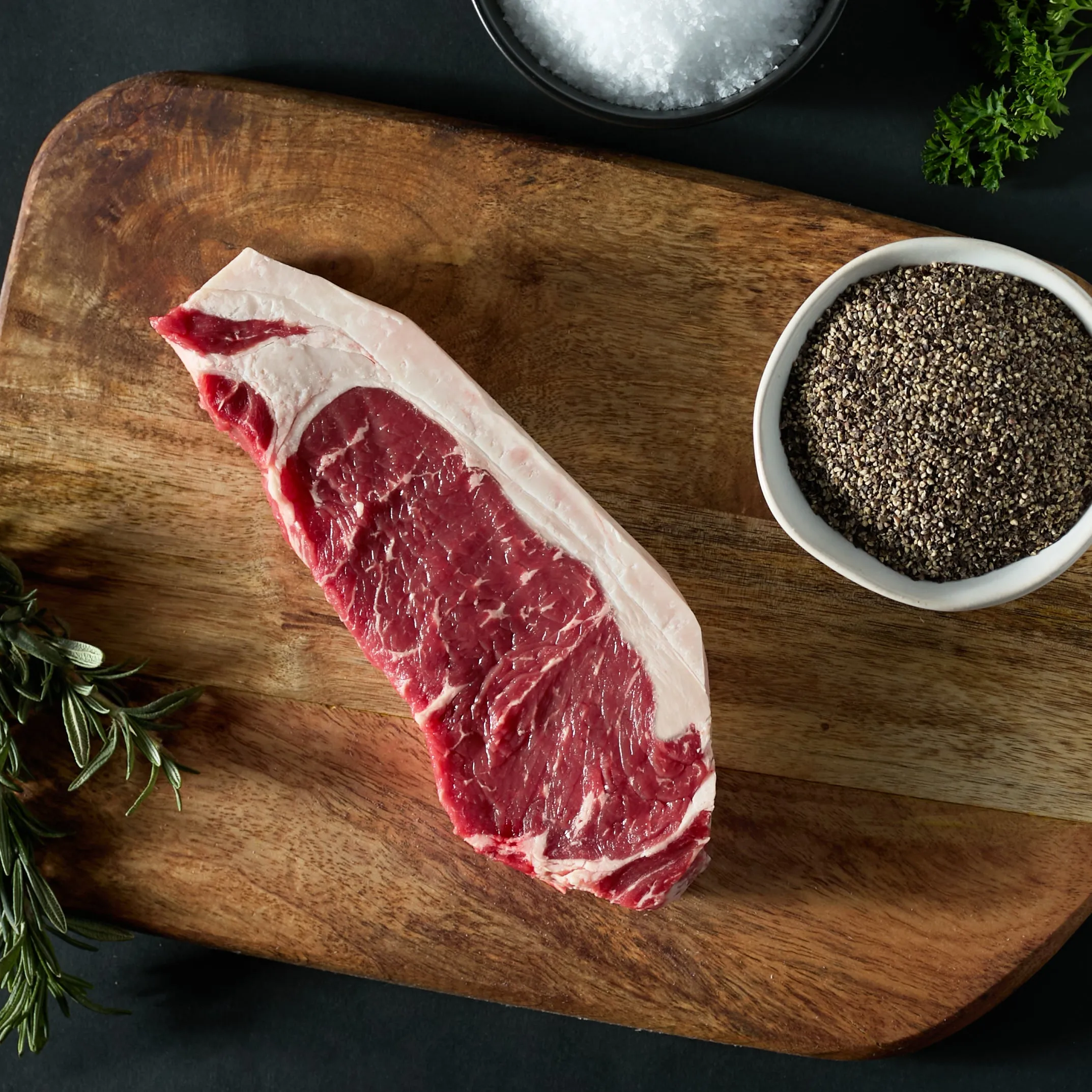
For an evenly grilled New York strip, build a two-zone fire, sear the steak over direct high heat, then move it to the cooler side to finish. Monitor the center with an instant-read thermometer, account for carryover cooking, and rest the steak before cutting.
Grilling a steak at home should be a fun and great task. To get the best results, you must start with a hot grill. A top Dry-aged New York Strip Steak needs high heat to form a crust on the outside. This crust adds deep flavor. You also need to handle the heat levels to avoid burning the fat.
The best way to cook a steak on the grill is with two zones. One side of your grill should have high heat for searing. The other side should have low or no heat to finish the cook. This setup helps you control the process. It also helps you handle flare-ups that happen when fat drips on the coals or burners. You can move the meat to the cool side if the fire gets too big.
Start by cleaning your grates and oiling them lightly. Heat up the grill for at least ten minutes. You want the grates to be very hot before the meat touches them. This is how you get those classic grill marks and a good sear. If you are thinking how to cook new york strip steak with a thick fat cap, keep it away from the flame at first.
Place your steak directly over the high heat. Let it sit for about three to four minutes without moving it. This allows the meat to brown well. Flip the steak and cook the other side for three more minutes. You are looking for a dark, rich color. If the steak is thin, it might be done after this step. Thick cuts will need more time on the cool side of the grill to finish.
If you use a dry-aged cut, it may cook faster than a fresh steak. Our beef is aged for 28 days to build the flavor. This process removes water, which means the meat heats up quickly. Keep a close eye on the grill to make sure you do not cook it too much. You want to keep the tender feel of the beef.
The only way to be sure of your steak's doneness is with a tool. You cannot see or taste the germs that might make you sick. The USDA says the safe internal temperature for beef steaks is 145 degrees Fahrenheit. You should also let the meat rest for three minutes after it comes off the grill. This advice comes from the USDA food safety basics guide. It ensures your meal is safe and tasty.
Insert the probe into the thickest part of the meat. Do not hit the bone or the fat cap. For a medium-rare steak, pull it off the grill when it hits 130 to 135 degrees. The heat will rise as it rests on the plate. Check our guide on beef cooking temperatures for more details on each level. Resting the steak for five minutes lets the juices stay in the meat. This step makes every bite juicy and rich.
Pull temperature is the reading when you remove the steak from the heat. Final temperature is the reading after it rests and carryover cooking raises the center a few degrees. Use the table below as a practical guide, while following USDA guidance of 145 degrees Fahrenheit plus a three-minute rest for food safety.
Cooking the best steak starts with knowing when to take it off the heat. This is your pull temperature. Most people cook a steak until it hits the final goal. But meat keeps cooking after you remove it from the heat.
This is called carryover cooking. If you wait until the steak hits your goal on the stove, it will be overdone by the time you eat. Take your New York strip off the heat when it is about 5 degrees below your goal.
For a medium-rare finish, pull the meat at 130 degrees. The heat on the surface will move to the center as it rests. This brings the final inner heat to 135 degrees. You can find more facts in our beef cooking temperatures guide.
Pulling the steak early keeps it from getting dry. A dry-aged New York strip has less water than a fresh steak. This means it can heat up very fast. You must watch the clock and the heat closely.
If you miss the pull temp, the steak can go from medium to well-done in just a minute. High heat makes this move even faster. You should stay by the grill at all times.
Carryover cooking is a real part of the process. When you use high heat, the outside of the steak gets much hotter than the inside. Once you stop the stove, that heat keeps moving inward. A thick steak like a New York strip can rise 5 to 10 degrees while it sits.
Resting the steak for about 5 minutes lets the juices stay in the meat. This makes every bite tender and full of flavor. If you are learning how to cook new york strip steak, start with a thermometer.
You cannot see or smell the bacteria that causes food illness. The only way to know the meat is safe and done is to check the center. The USDA says the safe lowest heat for beef steaks is 145 degrees Fahrenheit with a 3-minute rest.
Most chefs prefer a lower heat for the best taste, but safety is the top goal. Place the tip of the tool into the thickest part of the steak. Avoid touching any fat or bone. These spots can give a false read.
Check the heat a few times as you get close to the pull temp. Fullblood Wagyu beef needs even more care because it has a lot of fat. You can read more in our Wagyu steak cooking guide to see how fat affects heat.
The fat in Wagyu melts at a lower heat than standard beef. This can make the meat feel done sooner than the number shows. For our dry-aged Prime and Choice beef, the 28-day aging process changes the texture.
These steaks respond well to a quick sear followed by a rest. Use a digital probe to get the most correct read. A good tool will show you the heat in just a few seconds.
| Doneness Level | Pull Temperature | Final Temperature | Center Color |
|---|---|---|---|
| Rare | 120 F | 125 F | Cool red |
| Medium Rare | 130 F | 135 F | Warm red |
| Medium | 140 F | 145 F | Warm pink |
| Medium Well | 150 F | 155 F | Slight pink |
| Well Done | 160 F | 165 F | Mostly brown |
Cooking a great meal does not end when you turn off the heat. If you want to know how to cook new york strip steak well, you must master the post-cook steps. The way you handle the meat after it leaves the pan changes the final bite. Taking a few extra minutes helps the flavor and feel of the beef stay at its best.
When you cook meat, the high heat pushes the juices toward the center of the cut. If you cut into the beef right away, those juices will run out onto your plate. This leaves the meat dry and tough. Letting the steak sit for a few minutes allows those juices to flow back to the edges. This makes every part of the steak moist and tender.
For most cuts, a five-minute rest is enough to get the best results. The USDA states that you should allow beef to rest for at least three minutes after it reaches a safe heat. This wait time is a key part of food safety and helps the meat finish cooking well through the center. Thicker steaks may need even more time to settle before you start to slice them.
Slicing is just as vital as the rest period. You should always find the grain of the meat before you pick up your knife. The grain is the path that the long muscle fibers run through the beef. If you cut with the grain, the fibers stay long, which makes the meat hard to chew. This is a common mistake when people learn how to cook new york strip steak.
Instead, you must slice across the grain. This shortens the fibers and makes the meat much more tender to the bite. For a New York strip, the grain usually runs from the fat cap toward the bottom of the steak. Turn the steak so you can cut across these lines. Keeping your slices thin will also help the meat feel softer as you eat it. You can check our Wagyu steak cooking guide for more tips on handling high-grade cuts.
Once you have sliced the meat, you can add a final layer of flavor. A small pinch of flake salt or a pat of butter can make the best beef taste stand out. This is a great time to check the final heat level of your steak. Using a tool to find the beef cooking temperatures ensures that you served it just how you like it.
You may also want to tent the steak with foil while it rests. This helps keep the heat in without steaming the crust. Be careful not to wrap it too tight, or the crust might get soft. These steps help you get a top-tier result every time you cook at home. Great beef is worth the effort, so take the time to treat it right from the pan to the fork.
Cooking a high-quality cut of meat takes skill and care. Even a small error can ruin the taste of a dry-aged New York Strip Steak. To get the best results, you must avoid a few common traps that trip up home cooks.
One big error is putting a wet steak into a pan. Water on the meat turns into steam. This stops a good crust from forming. Always pat your steak dry with paper towels before you start. You also need high heat to sear the meat. If your pan is not hot enough, you will boil the steak rather than brown it. Wait for the oil to shimmer or smoke a bit before you add the beef.
Many people try to judge a steak by touch or sight. This is a mistake. You cannot see or taste harmful bacteria that might cause illness, as noted by the USDA. To stay safe and hit your goal, you must use a food thermometer. A thermometer ensures your meat reaches the safe minimum temperature of 145 degrees Fahrenheit for beef steaks.
Steak thickness changes how fast the meat cooks. Experts suggest a thickness of about one inch for an even cook. If the steak is too thin, it will dry out fast. Once the meat is done, do not cut into it right away. You should let it rest for at least three to five minutes. Resting helps the juices move back through the meat so it stays moist. If you skip this step, all the flavor will run out onto your plate.
When you learn how to cook New York strip steak, the thickness of the cut is your main guide. A steak that is about 1 inch thick is the standard for even cooking on a pan or grill. Most people find this size gives the best mix of a hard sear on the outside and a tender center. But not every cut is the same, and your timing must change to match the meat on your board.
Thin steaks cook very fast. If your steak is less than 1 inch thick, you should skip the oven and stick to the stovetop. Use high heat to get a brown crust before the middle gets too hot. Watch the clock closely, as just one extra minute can turn a good meal into a dry one. You want to sear each side for a short time to keep the beef juicy.
For a steak that is 1 to 1.5 inches thick, a two-step method works best. You can start by searing the meat in a hot pan and then move it to the oven to finish. This helps the heat reach the center without burning the surface. Always check the heat with a food tool. The safe internal temperature for beef is 145 degrees Fahrenheit. Follow this with a rest of at least three minutes. This rest lets the juices move back through the meat.
If you have a cut over 1.5 inches, you might try a reverse sear. This means you cook the beef at a low heat in the oven first and sear it at the end. It is a slow way to get the exact level of pink you want from edge to edge. Since beef cooking temperatures vary by taste, using a probe is the only way to be sure. For these big cuts, a longer rest of five minutes or more helps the meat stay soft and rich.
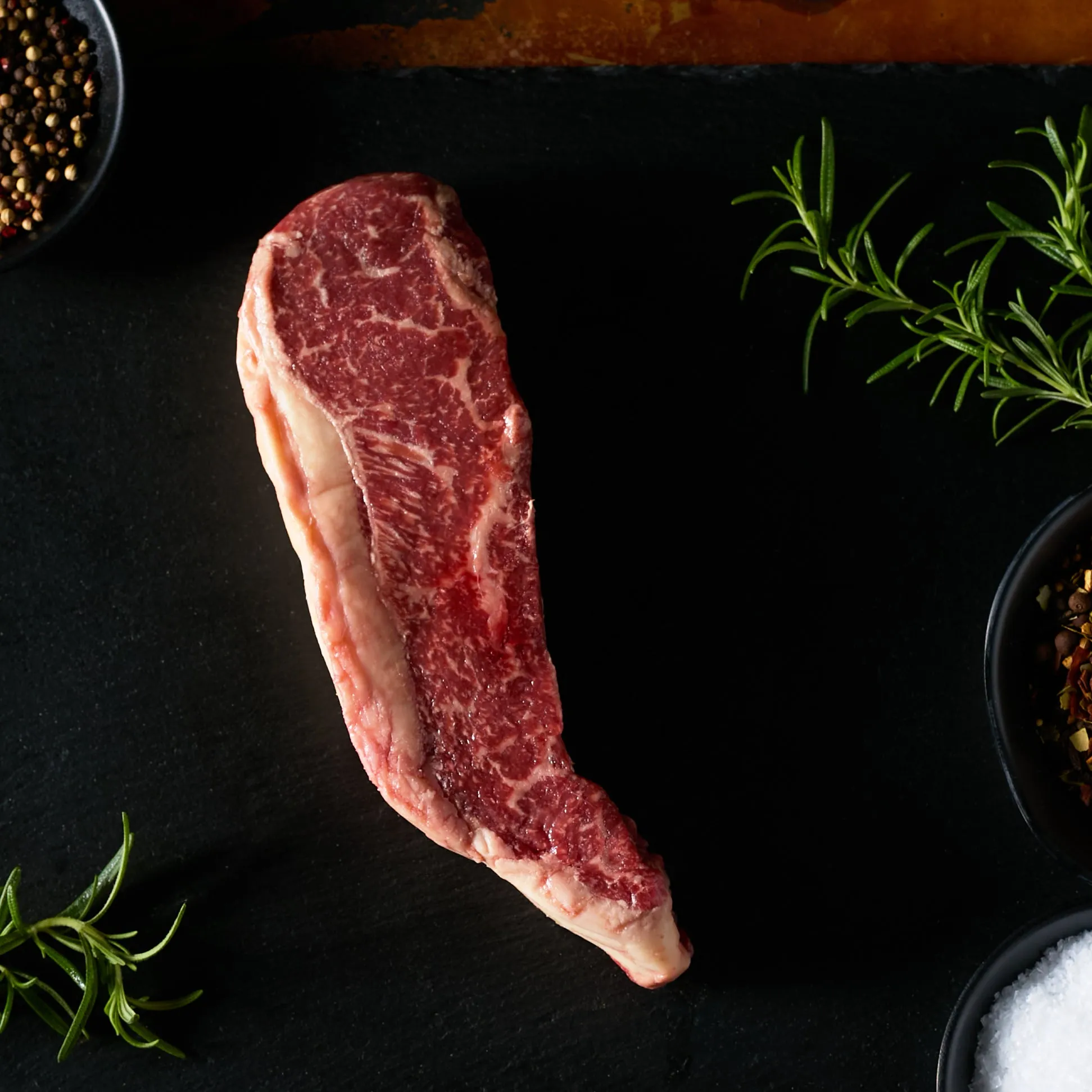
High-heat searing followed by a short rest is often the top choice for this cut. Start by patting the meat dry and salting it well. Use a cast-iron pan or a hot grill to get a deep brown crust. This process keeps the inside juicy while adding a bold, savory flavor. Most chefs suggest cooking to medium-rare to enjoy the best feel and rich taste of the beef.
For a standard one-inch thick cut, cook each side for about three to four minutes on high heat to reach medium-rare. If you prefer a medium finish, increase the time to four or five minutes per side. According to Healthy Recipes, roasting for these specific times ensures an even finish. Always use a meat thermometer to check the internal heat before you stop the heat.
You should cook this cut fast using high heat to create a proper sear. The New York strip is a lean, tender muscle that can become tough if it stays on the heat for too long. Quick cooking at a high heat locks in the juices and creates a delicious crust. Slow cooking is better for tough cuts like brisket, but for a premium steak, speed and high heat are your best tools.
The USDA states that the safe minimum internal heat for beef steaks is 145 degrees Fahrenheit. After reaching this mark, you must let the meat rest for at least three minutes. This step is vital because you cannot see or smell harmful bacteria that might cause illness. Using a digital thermometer is the only way to be sure your meat is both safe and perfectly cooked.
Fullblood Wagyu needs more care because it has a unique fat. While Prime and Choice beef are dry-aged for 28 days, Slickhorn Ranch keeps Wagyu fresh to preserve its light, buttery taste. You should cook Wagyu slightly faster than common beef. The high fat content melts quickly, so keep a close eye on the steak to avoid overcooking this rare and premium cut.
Start with premium beef, keep an instant-read thermometer close, and give the steak time to rest. Use our beef cooking temperatures guide as you prep your kitchen and grill.
Shop dry-aged New York strip steak and other premium steaks from Slickhorn Ranch.
Your cart is currently empty.
Start Shopping