


Reverse Sear Wagyu Ribeye Steak: A Complete Cooking Guide
Get the Fullblood Wagyu ribeye for this reverse sear wagyu ribeye steak recipe. Complete temperature guide, step-by-step instructions, and pro tips for...
Get the Fullblood Wagyu ribeye for this reverse sear wagyu ribeye steak recipe. Complete temperature guide, step-by-step instructions, and pro tips for...

Standard high-heat searing often ruins the soft marbling found in a premium Wagyu ribeye. A sudden blast of heat leaves you with a burnt outside and a cold center. Success needs a gentle approach that respects the quality of the beef on your counter.
To reverse sear wagyu ribeye steak correctly, you must use a low-heat oven to warm the meat slowly before you finish with a quick sear. This method is the best way to cook Fullblood Wagyu because it allows the rich fat to melt gently without cooking the meat too long. Since less than 1% of all US beef is real Fullblood Wagyu, using a precise method is the best way to protect your purchase. The low heat ensures that the fat melts from edge to edge to create an even finish that fast cooking simply cannot match. By focusing on heat control over speed, you ensure a steak that is buttery and tender every time you cook at home.
Ready to cook the best steak of your life? Shop This Recipe , order your Fullblood Wagyu ribeye now and get ranch-direct beef shipped to your door.
The reverse sear wagyu ribeye steak method is the best choice for our top cuts. It flips the old way of cooking on its head. Most people sear meat first and then finish it in the oven. But for a rich ribeye, we start low and slow in the oven. Then we finish with a hot sear on the pan. This change makes a big shift in how the steak tastes and feels.
Cooking a high-end steak can be scary. You do not want to ruin a piece of meat this good. If you use too much heat too fast, you might overcook it. The reverse sear takes away that risk. It gives you a steak that is juicy from edge to edge. This way of cooking is not just for pros. Anyone can do it at home with the right tools.
Fullblood Wagyu is known for its unique marbling and fat. This meat has a lot of fat inside the muscle. The fat in Wagyu has a lower melting point than the fat in most other beef. If you use high heat right away, the fat can melt too fast. It might run out of the meat and leave the steak dry.
The reverse sear gently renders this rich fat without cooking the meat too much. By using a low oven first, the heat moves slowly into the steak. This lets the fat soften and soak into the beef. It creates a rich feel that you cannot get with other ways of cooking. You want the fat to stay in the meat, not in the pan.
Before you start, you should learn some ribeye steak basics for the best results. One big plus of the reverse sear is that it allows for more precise heat control than high-heat ways. You can track the heat inside with a tool. This lets you pull the steak at the exact moment it is ready.
This way ensures the heat is even throughout the meat. You will not see a gray band of beef cooked too much near the crust. Instead, you get a pink center all the way through. It is the best way to show off the best parts of the beef. Every bite will be just as good as the last one.
This way works best for thick steaks that are at least 1.5 inches thick. A thin steak would cook too fast in the oven. But our ribeyes are thick and heavy. They need that slow warm-up to reach the perfect state. It helps the steak cook the same from top to bottom.
When you use the reverse sear, you also dry out the top of the meat in the oven. A dry surface helps you get a better crust during the final sear. It takes a bit more time, but the results are worth the wait. You will get a steak that is cooked just right every single time. It is the gold standard for Wagyu beef.
Cooking a top steak starts with the right gear and the best beef. For a perfect reverse sear wagyu ribeye steak, you need a few key items. This way uses low heat to cook the meat well before a fast sear for a dark crust. Having your tools ready helps the work go well without overcooking the soft fats.
Success starts with a Fullblood Wagyu ribeye from Slickhorn Ranch. Fullblood Wagyu is rare.
Every steak reflects our ranching heritage — four generations of raising cattle the right way on the Northern Rockies range.
It makes up less than 1% of all beef in the United States. Slickhorn Ranch focuses on these elite genes to give you the best marbling. For the best results, pick a steak that is at least 1.5 inches thick.
Wagyu fat has a low melting point (F001). This is why gentle heat is so helpful. Before you start, take the steak out of the fridge. Let it sit for about 30 to 60 minutes to reach room temp. This step helps the center of the steak cook as well as the outside.
To guide the heat, you will need an oven set between 200 and 275 degrees Fahrenheit. Put your steak on a wire rack over a baking sheet. This lets air move around the meat. This dries the surface for a better sear later. A meat thermometer is the most vital tool you can have. You must track the heat to know when to pull it from the oven.
Each tool has a job. The rack keeps the bottom of the steak from getting wet while it cooks in the oven. The thermometer takes the guess out of finding the right pull temp. Without these items, you might lose the rich juices that make Wagyu so special. Simple tools and great beef lead to a meal that tastes like it came from a top shop.
Cooking a Fullblood Wagyu ribeye is a big deal. You want to do it right. The reverse sear wagyu ribeye steak way is the best path to a great meal. This way uses low heat first and a quick sear at the end. It helps the rich fat melt in a slow way without drying out the meat. You get a steak that is tender from edge to edge with a dark, salty crust.
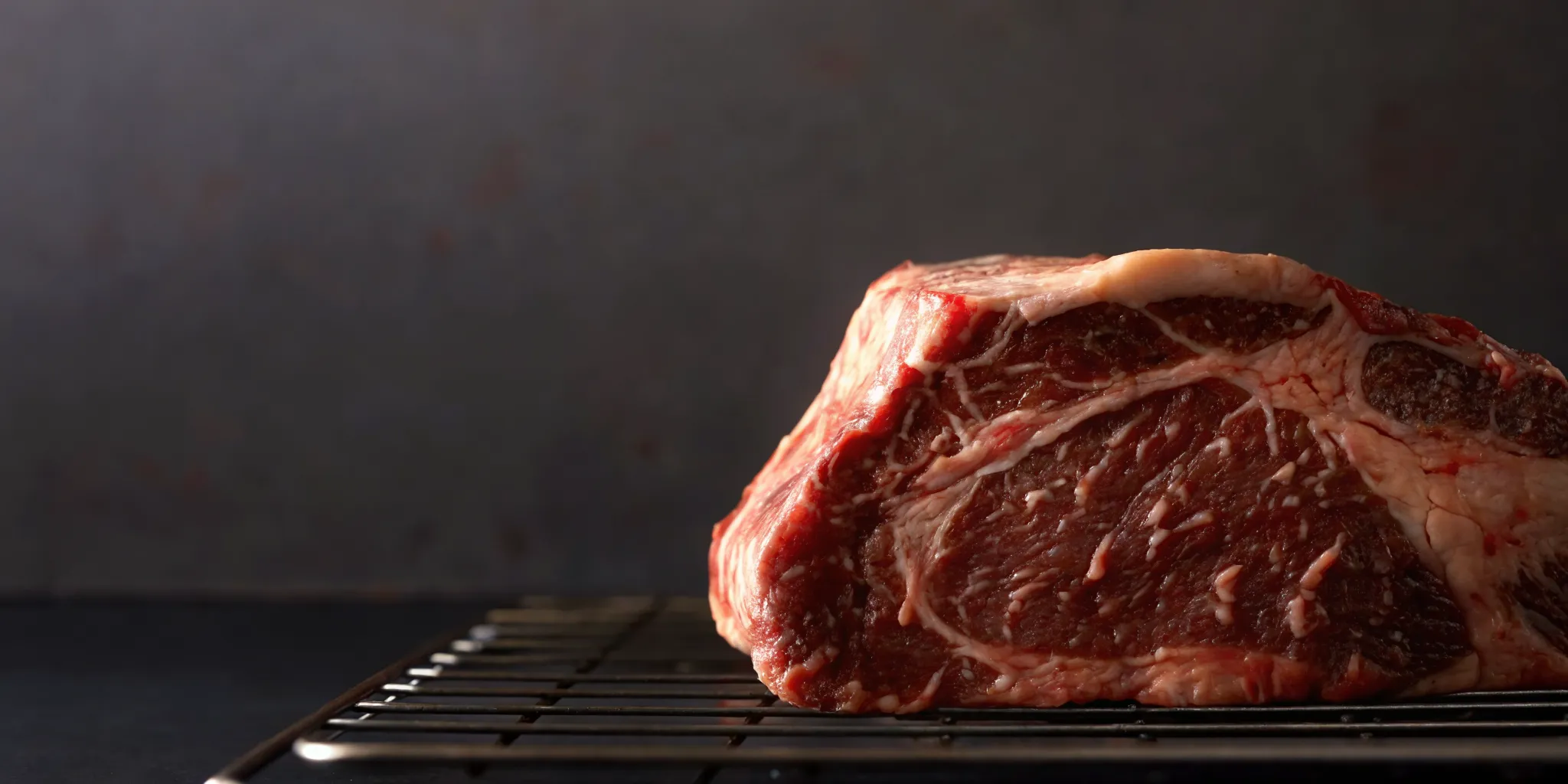
Start with a thick steak. The reverse sear works best for cuts at least 1.5 inches thick. Take your steak out of the fridge about 45 minutes before you plan to cook. Letting it come to room temp helps it cook in an even way. Use paper towels to pat the meat dry. Wet meat will steam instead of sear. Once it is dry, season it well with kosher salt. You do not need a lot of spice. The beef has a deep flavor on its own.
Set your oven to 225 degrees Fahrenheit. Put the steak on a wire rack over a baking sheet. This lets warm air flow all around the meat. Place it in the oven and wait. You will need a good meat thermometer to check the heat inside. For a medium-rare steak, pull it out when the internal temp reaches 110 to 115 degrees. While the USDA says 145 degrees is safe, many chefs pull early for a red center. The steak will keep cooking after you take it out.
Let the steak rest for five minutes once it leaves the oven. While it rests, heat a cast-iron skillet on high. Add a small amount of oil that can take high heat. When the pan is very hot, add the steak. You only need to sear it for 45 to 60 seconds per side. Use tongs to sear the edges too. This quick blast of heat builds a deep crust without overcooking the middle. Rest the steak one last time for three to five minutes. This lets the juices stay in the meat when you slice it.
When you slice your Wagyu, look at the grain of the meat. Slice across it to make the meat even more tender. You can add a pinch of flaky salt at the end. Serving this steak is the reward for your wait. The slow melt of the fat makes every bite rich and buttery. You now have a steak that is as good as any you can buy.
Shop This Recipe , order your Fullblood Wagyu ribeye and experience the difference real ranch-raised beef makes.
Cooking a Fullblood Wagyu ribeye takes a new plan. Because Wagyu fat melts fast, you must use exact heat to keep it soft. The right heat makes sure you get the best taste from the fat without a dry steak. You should use a meat thermometer to check the heat of your steak as you cook.
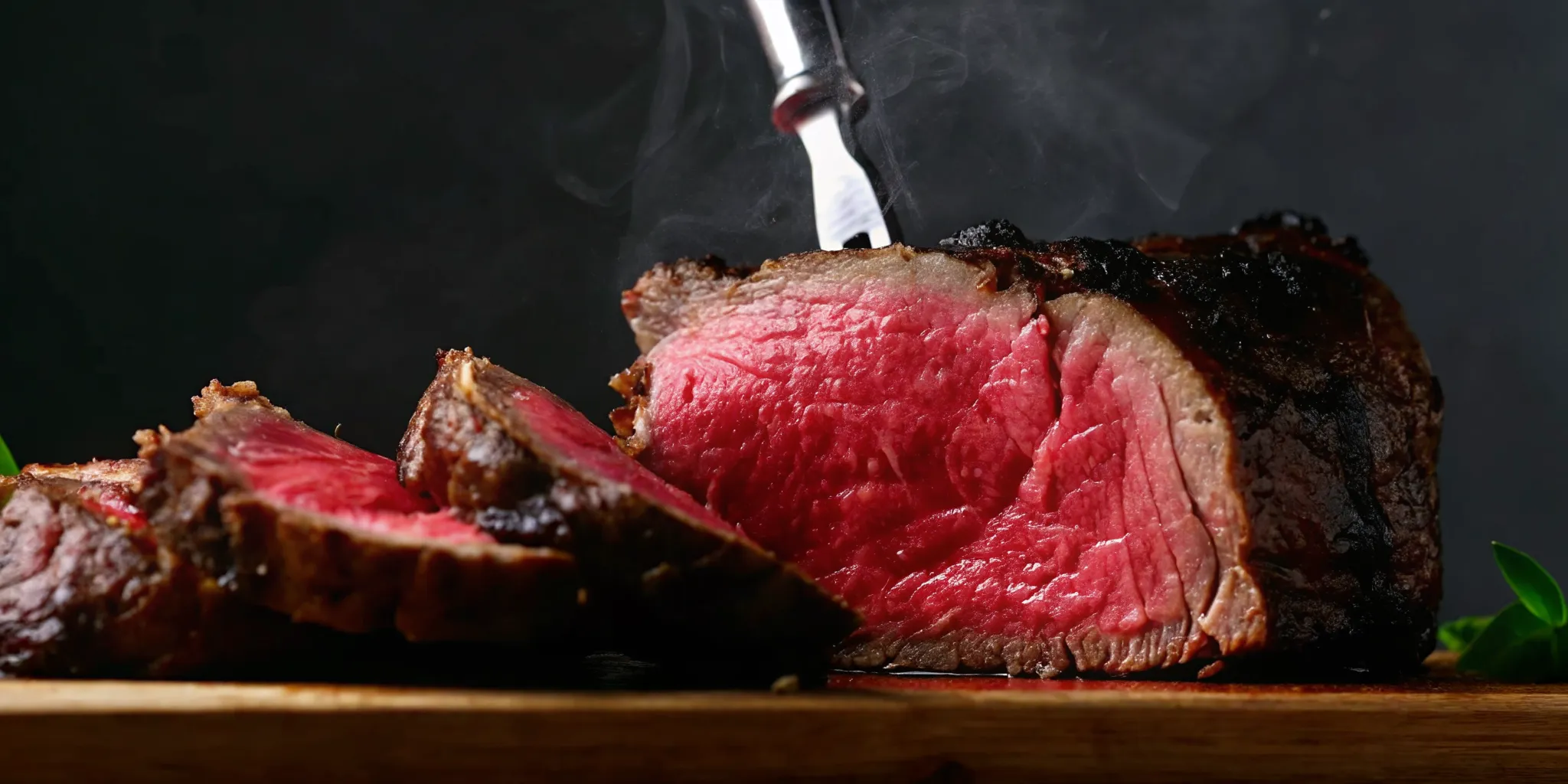
When you reverse sear wagyu ribeye steak, you take the meat out of the oven early. The heat inside will go up more during the sear and rest. Most fans of Wagyu say medium-rare is the best pick. This level lets the fat melt while the center stays red and soft. If you want the steak to feel more firm, try for medium. Our Wagyu steak guide has more tips on picking your cut.
| Doneness | Pull-from-Oven Temp | Final Internal Temp | Rest Time |
|---|---|---|---|
| Rare | 105-110F | 120F | 3 min |
| Medium-Rare | 110-115F | 130F | 5 min |
| Medium | 125-130F | 140F | 5 min |
| Medium-Well | 135-140F | 150F | 5 min |
| Well Done | 145-150F | 160F | 5 min |
Resting the steak is just as key as the heat. After you sear the meat, it needs time to let the juice move back into the fibers. The USDA says a rest of at least three minutes helps the steak stay moist. For a thick cut, five minutes is even better. This short wait keeps the steak from getting dry when you slice it.
You should know the food safety marks even if you like your steak rare. The USDA says the safe final heat for beef is 145F. This level makes sure the meat is safe to eat but might make it more firm. You can check these official safety charts for more facts. No matter how you like your steak, always start with great beef for the best meal.
A Fullblood Wagyu ribeye is one of the most tasty pieces of meat in the world. Its heavy white marbling gives it a rich, buttery taste that no other beef can match. When you cook a perfect Wagyu steak, you want to show off this real flavor. You do not want to hide it. Most high-end steaks need butter or herbs in the pan to add fat and taste. Wagyu is unique. The meat is already packed with its own built-in flavor. You do not need to add much to make it taste great.
The fat in Wagyu beef is not like the fat in a common steak. It has a lot of intramuscular fat with a lower melting temperature than other beef. This fat starts to melt even at low heat. It melts at once in your mouth. This low melting point creates a rich feel. It makes extra fats like butter or oil not needed when you cook. You should let that real fat do the work for you.
The flavor comes from a set mix of fatty acids in the marbling. These acids create the sweet and nutty smell that defines the Wagyu taste. Heavy rubs or thick sauces can easily mask these soft notes. To get the best result from your reverse sear Wagyu ribeye steak, you should stick to simple spices. Coarse salt and a little black pepper are all you need to bring out the best in the meat.
In many steak recipes, cooks use a method called butter basting. This means spooning melted butter and herbs over the meat as it sears. This is good for lean cuts, but butter basting is not needed for Wagyu. The steak is so rich on its own that adding more fat can make the dish feel too heavy. The fat from the steak acts as its own sauce in the pan.
Using too many spices or thick sauces can also hide the high grade of the beef. You want to taste the ranch-raised meat, not a bottle of steak sauce. A clean cast-iron sear at high heat will create a great crust with just salt. This simple path lets the sweet taste of the fat shine through in every bite. It ensures the star of the plate is the beef itself.
The hard work is done, but the final steps determine the quality of your meal. How you handle the meat after the sear affects the feel and taste of every bite. Care here ensures the rich fat and juices stay in the steak rather than on your board.
You must rest your steak before you cut into it. When you cook beef, the heat moves juices toward the center. Resting lets these juices spread back through the meat, which creates a more tender feel. The USDA notes that resting for at least three minutes is a key step for meat quality.
Place your seared Wagyu ribeye on a warm plate or a clean board. Cover it loosely with foil to keep the heat in. For a thick steak, a rest of three to five minutes is best. This short wait stops the juices from rushing out when you make your first slice.
How you slice the meat can change how tough it feels. You should always slice against the grain. Look for the long muscle fibers and cut across them. This shortens the fibers and makes the steak much easier to chew. For more help, see our Wagyu steak guide.
Use a sharp knife for the cleanest cuts. Wagyu fat melts at a very low heat, so a sharp blade helps you cut through the meat without pressing out the moisture. This keeps the steak juicy and soft. Avoid dull blades that tear the meat fibers.
A Fullblood Wagyu ribeye is the star of the plate. You do not need heavy sauces or complex sides that hide the natural taste of the beef. The rich fat provides all the flavor you need. Simple sides like roasted greens or a light salad work best. These items add balance without taking over the meal.
You might also serve the steak with a piece of crusty bread to soak up any juices. The goal is to match the rich meat with fresh or bright tastes. This way, the quality of our ranch-raised beef can shine through in every bite.
Reverse searing is perfect for thick Wagyu cuts like ribeye because it uses low heat to gently melt the fat. According to experts, Wagyu fat melts at a lower heat than other beef. This method stops overcooking and makes sure the fat melts evenly through the meat. It gives you a tender, juicy steak with a rich taste.
To reverse sear a steak correctly, set your oven to a low temperature between 200 and 275 degrees Fahrenheit. This slow process lets the center cook at the same rate as the outside. Using a low heat setting helps you avoid the gray band of meat that happens with fast methods. This step is needed for thick steaks to get a pink center every time.
For a perfect medium-rare finish, pull your Wagyu steak from the oven when it reaches an internal temperature of 110 to 115 degrees Fahrenheit. This allows for heat to move to the center during the final sear and resting time. Always use a digital meat thermometer to see if the heat is right. Per the USDA, beef should reach a safe internal temperature of 145 degrees after resting.
After the oven stage, you only need to sear the Wagyu ribeye for 45 to 60 seconds per side. Use a very hot cast-iron pan to create a dark crust. Since the meat is already warm from the oven, this quick step adds color and crunch without cooking the inside too much. Be sure to sear the edges too. This short blast of heat locks in the rich juices.
You have the method. Now get the star ingredient. Slickhorn Ranch ships Fullblood Wagyu ribeye steaks direct from our 600,000-acre ranch to your door, nationwide across the contiguous 48 states. Each steak is packed with the rich marbling that makes the reverse sear method shine.
Order your Fullblood Wagyu ribeye today and taste the difference real ranch-raised beef makes. Call us at (801) 215-9211 with any questions.
Your cart is currently empty.
Start Shopping