


Wagyu Brisket Price: What to Expect Before You Buy
Get a practical guide to Wagyu brisket price, package size, product details, and delivery costs so you can compare listings and plan your next cook.
Get a practical guide to Wagyu brisket price, package size, product details, and delivery costs so you can compare listings and plan your next cook.

Shopping for brisket can get confusing fast: the phrase Wagyu brisket price alone does not tell you the brisket’s category, weight, trim, or total delivered cost. This guide breaks down what to compare so you can make a confident decision without treating every listing as the same cut. Shop current Fullblood Wagyu cuts and check the live product details.
Browse the Fullblood Wagyu collection.
Wagyu brisket price is only one part of the buying decision: the beef category, sale weight, trim, and package details all affect what you receive. Compare like with like before judging a listing, and check the current product page for the actual price and availability rather than relying on a generic per-pound estimate.
“Wagyu” is not a single standardized price tag. Products can differ in genetics, grade, portion size, and how they are sold. Slickhorn Ranch offers Fullblood Wagyu and USDA Prime and Choice beef, but the 28-day dry-aging process applies only to Prime and Choice cattle. Do not assume a Wagyu brisket has been dry-aged unless the specific listing says so.
Also separate the displayed product price from the full order cost. A listing may price a whole cut by weight, identify a fixed package weight, or describe a product in another format. The product page is where you can confirm the actual listing details. For general background on USDA beef grading, consult the USDA; a grade name is not a substitute for checking the particular product’s stated category and details.
Think of a price as a prompt for questions, not a quality score on its own. Is the product specifically described as Fullblood Wagyu or another category? Is the weight stated? Is it a whole brisket or a smaller portion? Are you comparing the same basis, such as package total against package total or price per pound against price per pound? Those answers make a comparison useful.
There is also a difference between a cut’s listed price and its fit for your table. A lower total may represent a smaller package, while a larger package may be more meat than your menu or freezer can accommodate. Neither figure settles the decision by itself. Start with what the listing confirms, then consider how you will use the cut.
Brisket pricing can vary with beef category, package size, and the way the cut is prepared and sold. Read those details together to understand what you are paying for and avoid comparing a whole brisket with a smaller portion as if they were equivalent.
These details matter more than a headline that simply says “Wagyu brisket.” When browsing a collection, open the individual product listing and check the description, weight, and checkout information. Slickhorn Ranch’s Wagyu collection is a place to review current Fullblood Wagyu offerings; its live listings, not a general article, should guide a purchase.
For example, imagine two listings with different total amounts. Before deciding which is the better buy, write down the stated category, package weight, and price basis for each. If one product is a whole brisket and the other is a smaller cut, the headline totals answer different questions. If one listing does not give enough information to calculate a comparable unit price, mark the comparison incomplete rather than filling in a guess.
Cut format also affects how you plan the meal. A single brisket is suited to a brisket-centered cook; a selection of cuts offers a different mix of uses. Slickhorn’s curated beef boxes should be assessed by their included cuts and package details, not treated as a brisket-only price. If you are considering an assortment, compare the box contents with the menu and number of cooks you actually plan to make.
Compare brisket options by category, package size, format, and intended use before comparing the total price. A short checklist or table makes hidden differences easier to spot. The best fit depends on the meal you are planning and the amount of beef you can use, not simply the lowest number on a product card.
| Option | What to verify | Price comparison | Best fit |
|---|---|---|---|
| Fullblood Wagyu brisket | Confirm the listing’s category, weight, cut format, and current availability. | Compare the listed price on the same basis as other briskets; do not infer a set price from the Wagyu name alone. | A cook specifically seeking a Fullblood Wagyu cut. |
| USDA Prime or Choice brisket | Check the stated grade, weight, and whether any dry-aging description applies to this item. | Compare grade and package size like for like. The 28-day dry-aging process applies only to Prime and Choice cattle. | A buyer comparing the stated Prime or Choice offerings. |
| Curated beef box | Review the included cuts and total package details; it is not a brisket-only purchase. | Assess the package as a group of cuts rather than treating the entire amount as brisket cost. | A host or gift buyer who wants a selection rather than one whole cut. |
| Smaller individual cut | Confirm the specific cut, portion size, and product description. | Compare the actual portion and price basis, not just the total checkout amount. | A smaller meal or a buyer who does not need a whole brisket. |
This table is a comparison framework, not a price list: current amounts and stock belong on product listings. Review Slickhorn’s USDA Prime and Choice collection separately from its Wagyu offerings. When a product is described as dry-aged, verify the exact item and grade instead of extending that detail to every cut.
Before checkout, compare one product at a time and record the stated category, package weight, total listed price, and any shipping details. If two products have different package sizes, a price-per-pound comparison can help, but only if both listings provide enough information to calculate it accurately. Use the same unit for both items, and keep the package total visible as well; it is the amount you will actually see at the product level.
A simple worksheet can keep the comparison honest: make one row per listing and columns for category, cut name, weight, listed price, price basis, shipping information, and questions still unanswered. For instance, if a listing states a package price but not a weight, leave the per-pound cell blank. If another lists a different beef category, note that distinction rather than presenting the two cuts as interchangeable. A clear “unknown” is better than a false sense of precision.
Think about what “value” means for this cook. If the aim is a centerpiece brisket, prioritize an accurately described brisket and package size that suits the event. If the aim is variety, a box may make sense even though its total is not directly comparable with a single cut. If the aim is to try a smaller format first, review individual cuts rather than stretching a brisket price comparison beyond its purpose.
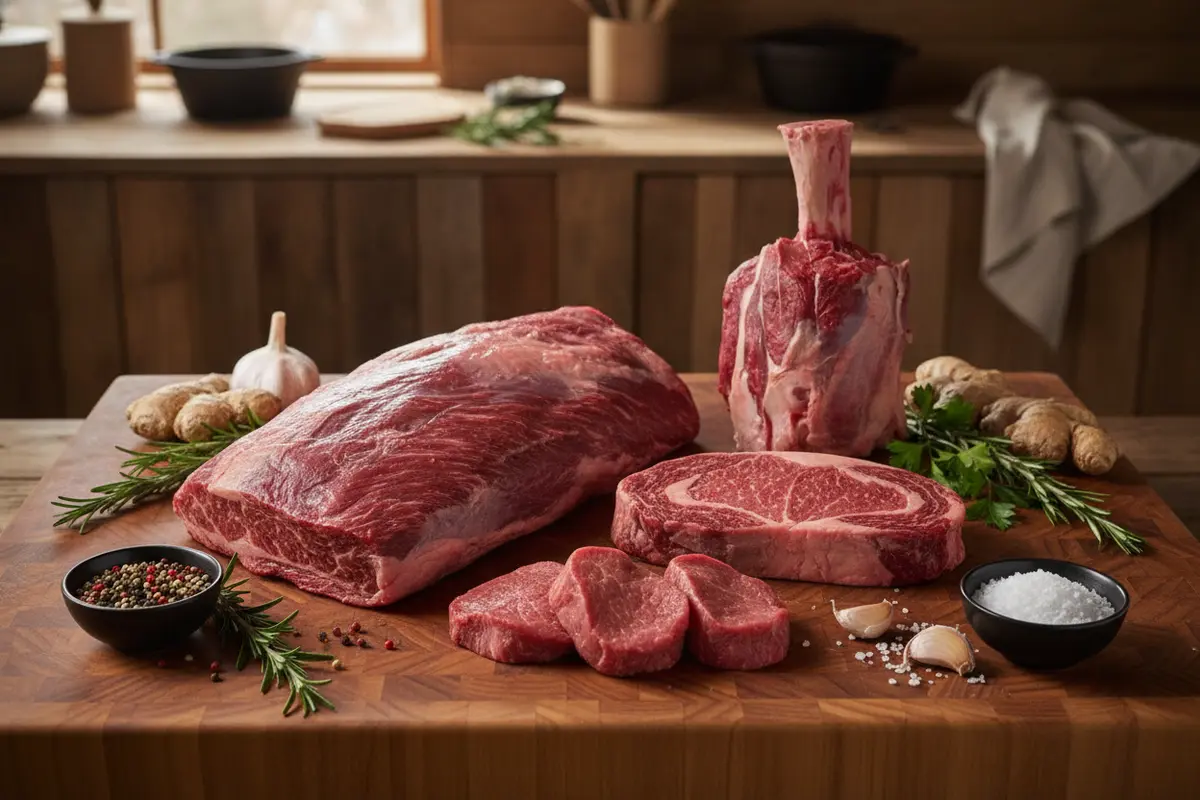
Before ordering brisket online, confirm the product description, weight or portion format, current availability, shipping terms, and the amount of freezer or cooking capacity you have. A few minutes spent checking those points can prevent surprises and help you choose a cut that makes sense for your meal.
Use this practical pre-purchase check:
Then do a final logistics check. Make sure someone can receive the shipment when it is expected and that you have a place to store it. Do not assume a delivery date from another order or from a general article; confirm the current checkout and shipping information. If your cook is tied to a gathering, give yourself room to adjust the menu if a particular product is not available.
For other ways to build an order, explore Mix and Match or look at Wagyu roasts if a roast format better suits the menu. Those are alternatives, not substitutes for a brisket listing, so compare the actual cut and package description. A roast and a brisket call for different planning, and their totals do not tell you the same thing.
If a detail remains unclear, use the Slickhorn Ranch FAQ or contact the ranch before ordering. Asking about the exact listing is more useful than relying on a general brisket price range, especially when package details or availability may change. Keep the product name handy so the question is about the specific cut you are considering.
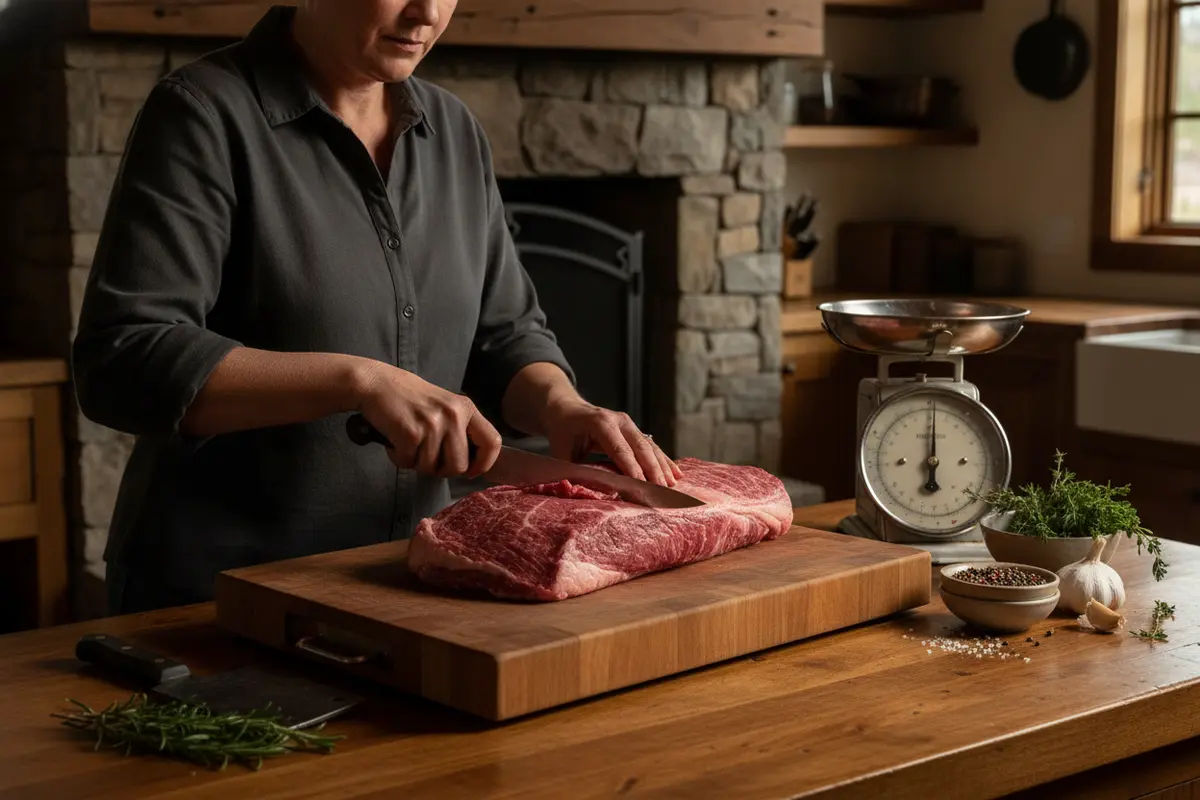
Plan the purchase around the size of your cook, the number of dishes you want to serve, and whether you want a brisket alone or a broader selection of beef. Check the listing first, then build your menu and budget around the confirmed package rather than an assumed size or serving count.
A brisket is a commitment of time as well as money. If you are hosting, settle the menu and cooking plan before ordering. Decide whether brisket is the centerpiece or one part of a larger spread, and make sure the product’s stated size fits the equipment and cold storage you have. Avoid guessing servings from a product name alone; cut size and appetite vary.
For a brisket-centered cook, keep the comparison focused: brisket against brisket, similar package sizes against similar package sizes, and the same beef category where possible. If one listing gives a weight and another does not, the comparison is incomplete. Return to the live page or ask for clarification instead of treating the two prices as directly comparable.
Build a practical budget with separate lines for the product, any shipping amount shown at checkout, and any additional cuts or sides you plan to buy. This separates the cost of the brisket from the cost of the full meal. It also gives you a useful way to compare choices: if one option fits the menu but pushes the overall order beyond your planned budget, you can revisit the format before placing the order rather than after it arrives.
If the occasion calls for a range of cuts, a beef box or a bundle may be more relevant to compare. If you want to select cuts individually, browse the Wagyu steaks collection alongside a brisket listing. These options help you build a meal or gift, but their contents and prices should be evaluated on their own terms.
Keep the Northern Rockies ranch context in mind: the useful question is not only “What does this brisket cost?” but “What specific cut and package am I getting, and is it the right fit for this cook?” Clear product details let you answer that without relying on generic price claims that may not match today’s inventory. For an additional cut that suits a different menu, you can also review the Wagyu short ribs listing, while remembering that it is a separate cut and price comparison.
Compare current Fullblood Wagyu listings and their product details.
There is no single number that describes every Wagyu brisket purchase. Check the live listing for the exact category, weight, price basis, availability, and order details, then compare those facts with your menu and budget.
The listings may describe different beef categories, package weights, trim, or sale formats. Compare the full product descriptions and the price basis before deciding that one is more expensive for the same amount of beef. If a weight or price basis is missing, ask about that exact listing rather than estimating.
No. “Wagyu” by itself does not tell you all the product’s genetics or category. Check the product description for the exact wording and do not assume a bloodline detail that is not stated.
No. The 28-day dry-aging process applies only to Prime and Choice cattle. Check the specific product page for its category and preparation details; do not assume the process applies to Fullblood Wagyu.
Check the live product listing and checkout details. Prices, package information, and availability can vary, so an article or general per-pound estimate should not replace the current product page.
Compare available individual cuts, roasts, or curated boxes to see which format matches your meal. Check each listing’s contents and size; these options are not automatically equivalent to a brisket.
Use the live product listings to choose based on the stated product category, package details, and the cook you have planned. Current availability and checkout details are the final reference for your order.
Shop the Fullblood Wagyu collection.
Check the current product page before placing an order so your decision reflects the actual cut and package available.
Your cart is currently empty.
Start Shopping