


First Time Cooking Wagyu? 5 Wagyu Cooking Mistakes to Avoid
Get a Wagyu steak that melts in your mouth. Learn the 5 Wagyu cooking mistakes beginners make and how to avoid them with this simple guide.
Get a Wagyu steak that melts in your mouth. Learn the 5 Wagyu cooking mistakes beginners make and how to avoid them with this simple guide.

One small mistake can turn a hundred-dollar Wagyu steak into expensive shoe leather. Restraint is the best tool you have when you cook Wagyu for the first time.
Shop Fullblood Wagyu Steaks Now — Choose from Ribeye, NY Strip, Filet, and more. Free shipping on orders over $150.
The most common Wagyu cooking mistakes include overcooking the meat past medium-rare, using heavy marinades that mask the buttery fat, and slicing into the steak before it rests. Beginners also tend to cook the meat straight from the fridge or use pans that cannot hold enough heat for a proper sear. To avoid these issues, use an instant-read thermometer, season with just salt, and follow a simple restraint philosophy that lets the natural quality of the beef shine. This Ultimate Guide to Wagyu explains how to handle these delicate cuts.
You do not have to be a top chef to get a perfect result on your first try. Understand how the rich marbling responds to heat and you can avoid the biggest problems that ruin most meals. Here are the five most common Wagyu cooking mistakes and how to avoid every one of them.
The short answer: Fullblood Wagyu contains 20% to 40% intramuscular fat (marbling), which melts at just 77°F. Because the fat renders so quickly, a Wagyu steak can cook up to 40% faster than a standard USDA Prime cut, and pulling it off the heat at the right moment is the single most important skill to master.
The most common error when cooking premium beef is leaving it on the heat for too long. Fullblood Wagyu is not like a standard steak from a store. It has much more fat that makes it cook fast. It also reacts in its own way to high heat. If you treat it like a lean cut, you will end up with dry meat and lose the flavor.
Wagyu beef has a high amount of fat inside the meat. This is also called marbling. A good USDA Prime steak may have 6% to 10% marbling. Fullblood Wagyu often has 20% to 40% fat. This fat melts at a low point. Because the fat melts so fast, a Wagyu ribeye can cook 40% faster than a normal steak. You should watch the clock and the pan.
If you cook this beef too long, the fat melts out of the meat. This leaves the meat tough and dry. You lose the rich taste that makes Wagyu special. To keep the meat soft, you must pull it off the heat before it gets too hot.
For the best results, aim for a heat between 130°F and 135°F. This is the best spot for medium-rare. At this level, the fat has melted into the meat but the meat stays soft. Cooking past this point makes the meat firm and less juicy. Pull the steak off the heat when it hits 125°F. The heat will rise a few points while it rests.
The CDC says to cook whole beef cuts to 145°F and rest them for three minutes. This is for safety. But many cooks like a lower heat to keep the soft feel of Wagyu.
You cannot judge high-end beef by look alone. The heavy fat can make a steak look rare when it is already done. You cannot trust the old "finger test" for firmness. Wagyu fat is so soft that the meat will feel tender even when it is well-done. A good meat probe is the only way to be sure of your work.
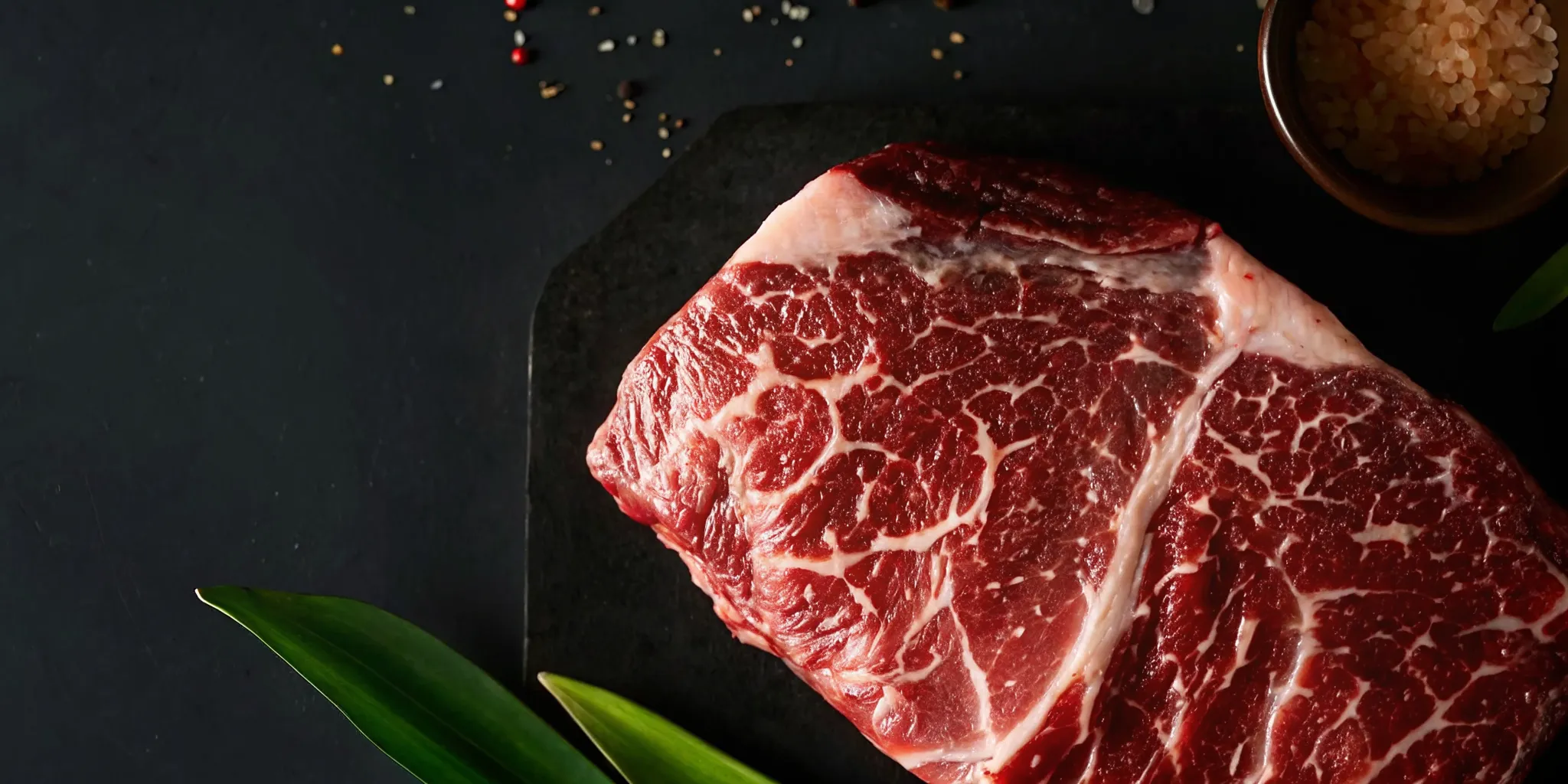
Check the heat early and often. Since the meat cooks so fast, the time between perfect and overdone is short. A good tool ensures you do not waste a cut like a Wagyu filet. You want to hit your target to get the most from your buy.
The short answer: No. Wagyu's buttery flavor comes from its abundant intramuscular fat, not from a marinade. Heavy sauces, acidic soaks, and complex spice rubs hide the delicate taste of the beef. The best seasoning for Wagyu is flaky or kosher salt and nothing more.
Wagyu beef is not like a standard supermarket steak. The richness of the meat comes from its deep marbling. This intramuscular fat has a very low melting point of about 77°F. When you cook it, this fat melts to create a buttery taste and a smooth texture. Heavy marinades and thick sauces hide these natural flavors. You want to taste the beef, not a bottle of store-bought glaze.
At Slickhorn Ranch, we believe Wagyu rewards restraint. You do not need complex spice rubs or acidic marinades to make the meat tender. The fat already does that work for you. Using too many spices or a wet soak can ruin the delicate balance of the meat. It covers up the unique profile that makes Fullblood Wagyu so special compared to other beef.
Keep your seasoning simple. All you need is a generous pinch of salt. We suggest using flaky sea salt or kosher salt. These types of salt help create a nice crust without being too salty. You can add a little bit of light pepper if you like. This small touch brings out the natural savory notes of the fat. It lets the beef be the star of the show on your plate.
When you use just salt, you respect the work that went into the ranching. Fullblood Wagyu has pure Japanese genetics and high marbling. This creates a mouthfeel that you cannot find in USDA Prime steaks. If you use a heavy sauce, you lose that experience. Trust the meat and keep your spices in the pantry.
The short answer: Slicing a Wagyu steak immediately after cooking forces the juices and melted fat to run out onto the board. Resting the steak for 5 to 7 minutes under loose foil lets the fat reabsorb into the meat fibers, giving you a tender, juicy bite from edge to edge.
The smell of a seared Wagyu steak is incredible. It is tempting to cut into it as soon as it hits the plate. But doing this is one of the biggest Wagyu cooking mistakes you can make. If you slice it too soon, the juices will run all over the board. This leaves the meat dry and takes away the rich flavor you paid for.
Wagyu beef has a huge amount of fat. This fat melts at a very low temperature. When you cook the steak, the heat pushes the juices toward the center. Letting the steak rest allows the fat to settle. It also lets the juices move back through the whole cut. This ensures every bite is tender and full of flavor.
You should rest your Wagyu for 5 to 7 minutes after it leaves the pan. Place it on a warm plate or a cutting board. Cover it loosely with a piece of foil. Do not wrap it tight, or the crust will get soft. During this time, the internal heat will rise about 5 degrees. This is called carryover cooking. For the best result, pull your steak off the heat when it hits 125 to 130°F. The rest will bring it to a perfect medium-rare finish of 130 to 135°F.
The short answer: No. A cold center causes uneven cooking while the outside burns, creating a grey band of overcooked meat next to a raw middle. Let your Wagyu rest at room temperature for at least 30 minutes before cooking so the heat travels evenly through the fat-rich meat.
Most home cooks pull beef from the fridge and toss it right in the pan. With a standard steak, you might get away with it. But with Fullblood Wagyu, this cold start is a top mistake. When the center of the meat is cold, it stays raw while the outside burns. You end up with a grey band of dry meat and a cold, firm middle.
Wagyu fat has a very low melting point of about 77°F. To get that buttery feel, the heat must reach the center. If you start with a cold steak, the heat has to work too hard. By the time the middle is ready, the outer layers have lost their moisture. This leads to uneven cooking that ruins a Wagyu ribeye or NY Strip.
A cold steak also stops a good sear. When cold meat hits a hot pan, it drops the pan heat fast. This can cause the steak to steam instead of sear. You want a crisp, dark crust that locks in the rich flavor. Starting at room temperature keeps the pan hot enough to create a great finish from edge to edge.
You should let your Wagyu steak rest on the counter for at least 30 minutes before you cook. This small step lets the internal heat rise and even out. It is a key part of the Wagyu process for thick cuts. Taking the chill off the meat helps the heat move through the fat fast.
This rest time is not just about heat. It also helps the meat stay tender. When the meat is not "shocked" by a fast jump in heat, it keeps more of its juices.
Thick steaks like a Wagyu filet mignon are the hardest to cook if they start cold. Because they are thick, the heat takes longer to reach the core. If the center is chilled, the outside will be burnt before the middle is ready. Giving the meat time to sit out is the best way to make sure your steak is perfect every time.
The short answer: A heavy cast iron skillet or stainless steel pan that holds high heat without cooling down when the meat hits the surface. Non-stick pans are too thin and cannot reach the temperature needed for a proper crust. And because Wagyu renders its own fat, you do not need to add oil or butter.
You have the best meat in the world. Now you need the right tool to cook it. One of the most common Wagyu cooking mistakes is picking a pan that cannot hold high heat. If your pan is too thin, you will lose the chance for a deep crust. Wagyu fat melts very fast. You need a pan that stays hot when the meat hits the metal.
A heavy cast iron skillet is the best choice for Wagyu. Heavy stainless steel also works well. These pans keep their heat much better than thin pans. This heat is vital for a good sear. When you use a heavy pan, the heat does not drop when you add the cold meat. This allows the fat to crisp up instead of just melting away.
Do not use non-stick pans for this task. Most non-stick pans are not safe at the high heat needed for Wagyu. They often fail at 500 degrees. That is not hot enough for a proper crust. A non-stick pan will leave your steak looking grey and steamed. To get the best results, heat your cast iron until it is smoking hot before you start.
You might be used to putting oil or butter in the pan first. With Wagyu steaks, you should skip this step. Wagyu beef has a lot of fat. As soon as the meat touches the hot pan, it will make its own oil. This fat acts as a natural oil that tastes better than anything else. Adding more oil only makes the pan greasy.
Before you cook, you must pat the meat dry with paper towels. A dry surface is the only way to get a hard sear. Water on the meat creates steam. Steam blocks the browning process. Once the steak is dry, place it in the hot, dry pan. Let the natural oils do the work. This method helps the steak develop a rich flavor that shows why Wagyu is so special.
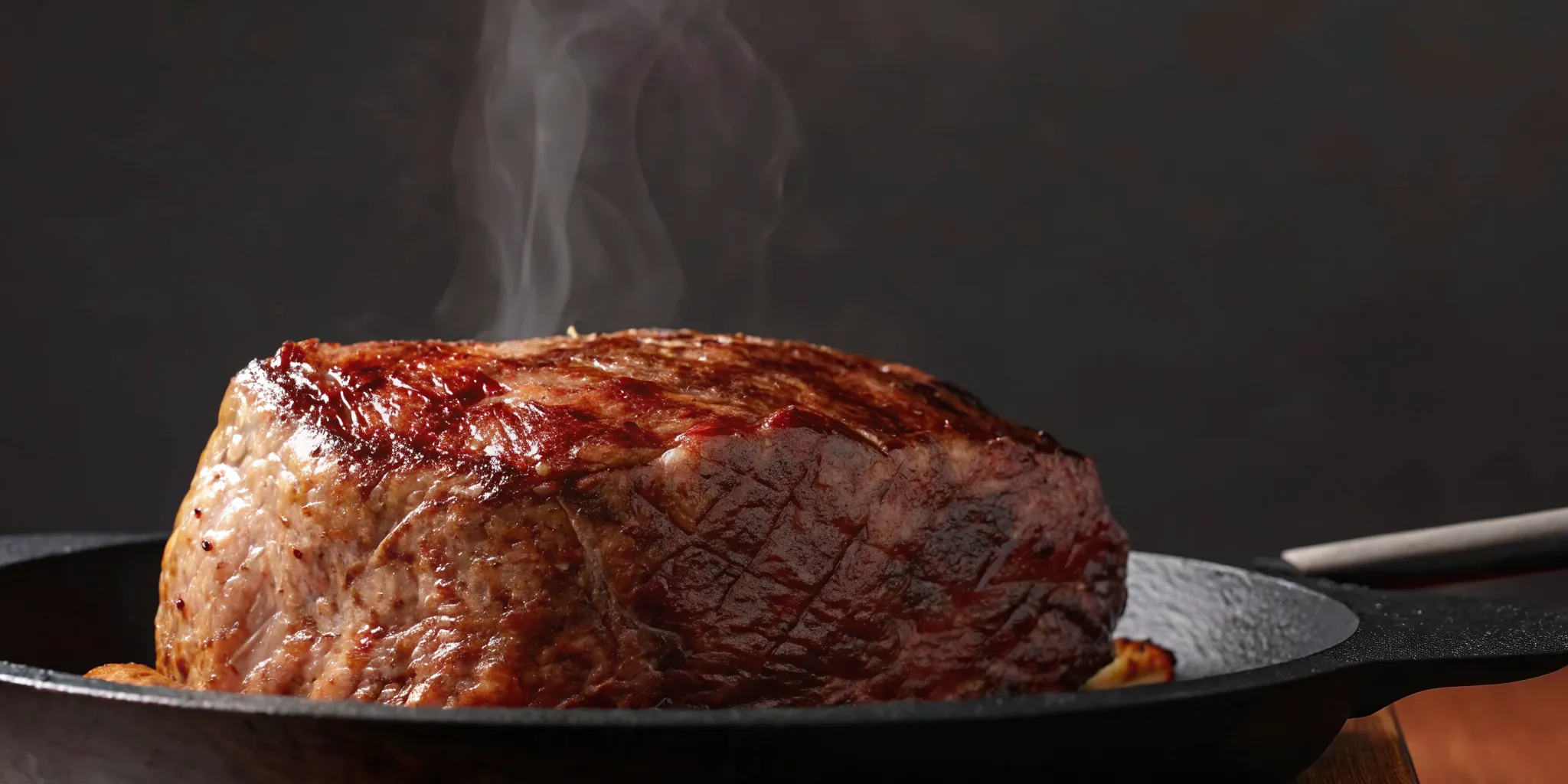
Cooking a high-end steak like our Fullblood Wagyu is a special task. It is not the same as cooking a basic steak from the shop. One of the most often seen Wagyu cooking mistakes is using high heat for too long. Because Wagyu beef has a lot of fat, it cooks about 30% to 40% faster than other cuts. If you are not careful, you can quickly cook this meat too much. That would ruin the soft feel you paid for.
The first step to a great meal starts well before you turn on the stove. You should always thaw your meat in the fridge and not on the counter. This keeps the fat from melting too soon. Once the meat is thawed, take it out and pat it dry with a paper towel. A wet steak will steam in the pan instead of searing. This is a common slip that leads to a grey, dull crust.
Next, you should let the steak sit out for about 30 minutes. This helps the heat reach the center of the meat in a good way. If the center is too cold, the outside will burn before the inside is warm. For salt, use only flaky salt or kosher salt. Heavy rubs or thick sauces are often seen Wagyu cooking mistakes because they hide the true, rich taste of the beef.
When you are ready to cook, pick a heavy pan. A cast iron pan is the best choice because it holds heat so well. Avoid using non-stick pans. They often do not get hot enough to sear meat well. Heat the pan over hot heat until you see a thin wisp of smoke. One unique thing about our Fullblood Wagyu steaks is that you do not need to add oil to the pan. The steak has enough fat to grease the pan on its own.
Place the steak in the hot pan and let it sear for 45 to 60 seconds. You want to see a rich, brown crust form fast. Since Wagyu fat has a very low melting point, it will start to melt as soon as it hits the metal. This quick sear locks in the juices while the fat softens. Flip the steak and do the same on the other side. Do not press down on the meat. That will squeeze out the tasty juices.
Knowing when to stop is just as vital as the sear itself. You must use a temp tool to get it right. Eye cues can be tricky with Wagyu. The fat does not look like other beef. Pull the steak when it hits 125 to 130 degrees F for a medium-rare finish.
The final step is the rest. Move the steak to a plate or a board and cover it with foil. Let it sit for at least five to seven minutes. This lets the juices settle back into the meat. If you cut it too soon, the juices will run out. Then the meat will be dry. When you are ready, slice the steak against the grain. This makes every bite as soft as it can be.
| Common Wagyu Cooking Mistakes | Why It Hurts Your Wagyu | The Right Approach |
|---|---|---|
| Overcooking past medium-rare | Fat renders out, meat turns dry and tough | Pull at 125-130F for a medium-rare finish of 130-135F |
| Heavy marinades and spice rubs | Mask the natural buttery flavor of the fat | Season with just flaky salt and maybe light pepper |
| Cutting the steak immediately after cooking | Juices run out and the meat dries out | Rest under loose foil for 5 to 7 minutes before slicing |
| Cooking straight from the refrigerator | Cold center causes uneven cooking and a burnt exterior | Let the steak sit at room temperature for 30 minutes first |
| Using a thin or non-stick pan | Pan cannot hold enough heat for a proper sear | Use a heavy cast iron or stainless steel pan with no added oil |
Wagyu beef is much richer than most steak because it has so much fat. Most people find that three to five ounces per person is enough for a great meal. Serving small amounts lets you enjoy the rich taste without feeling too full. You can find more tips on how much to buy in our Ultimate Guide to Wagyu.
You should always thaw Wagyu beef slowly in the fridge to keep the meat tender. It often takes a full day to thaw a thick steak. Never use heat to speed up the process. Too much heat can melt the fat before you even start to cook. Keeping the steak cold until you are ready to use it helps keep the beef fresh and tasty.
Fullblood Wagyu is not the same as USDA Prime beef. While Prime beef has some fat, Fullblood Wagyu often has much more. This extra fat gives the meat a soft, rich feel that you cannot find in other cuts. Per the team at Slickhorn Ranch, less than one percent of all beef in the US meets this high bar.
We do not dry-age our Fullblood Wagyu beef. Dry-aging is good for some cuts, but it can hide the soft flavor of top Wagyu. At our ranch in the Rockies, we keep our Wagyu fresh so you get a clean, sweet taste in every bite. This helps the meat stay moist while you cook it. Our goal is to give you the purest flavor we can.
If you wait to try Wagyu, you keep missing out on the best meal you could ever make at home. Buying a cheap steak and hoping for the best often leads to a dry and tough dinner. You do not want to waste your time or money on meat that does not melt in your mouth. Get your grill or pan ready now so you can taste the rich flavor of real beef by this time next week. Our ranch ships right to your door, so you can stop settling for what you find at the local shop. You can also read our Wagyu steak guide to learn more about these cuts.
Browse our Wagyu shop to shop pure Fullblood Wagyu steaks and start your feast.
Your cart is currently empty.
Start Shopping