


Wagyu Steak Temperature Guide: Rare to Medium
Shop Fullblood Wagyu with confidence, then use this wagyu steak temperature guide to reach rare, medium-rare, or medium doneness.
Shop Fullblood Wagyu with confidence, then use this wagyu steak temperature guide to reach rare, medium-rare, or medium doneness.

Overcooking a Wagyu steak is a costly mistake that masks the rich flavor and texture of its marbling. Use a reliable thermometer, pull the steak before it reaches its final target, and let carryover heat finish the cook.
Shop Slickhorn Ranch Fullblood Wagyu steaks for your next cook.
Finding the correct wagyu steak temperature is the only way to protect the rich marbling that makes these cuts so special. The fat inside Wagyu melts at a much lower point than standard beef — a reflection of the ranching heritage and genetics behind these premium cattle. You should aim for an internal reading between 125 and 130 degrees Fahrenheit for a perfect medium rare. This range allows the fats to soften without draining out of the meat and leaving it dry. You must pull the steak about five degrees below your target to account for carryover cooking as the beef rests. According to EHL Insights, focusing on internal temperature rather than color is the best way to get perfect results every time.
Getting the internal heat right is the most important part of serving a high quality cut of beef. You need to know when to pull the meat off the grill and how long to let it rest before the first bite. Every pull time and target heat is listed in our Wagyu steak temperature quick-reference chart. Here is how to find the perfect finish.
Cooking a premium steak like Fullblood Wagyu requires a focus on internal heat rather than how the meat looks. Many people try to judge doneness by the color of the beef, but factors like lighting and the specific cut can make color a poor guide. Using a digital meat thermometer is the most accurate way to ensure your steak reaches the right level of doneness every time.
To hit your target doneness, you must account for carryover cooking. This process occurs when the internal heat of the meat continues to rise after you take it off the grill or pan. You should pull your Wagyu steak when it is about 5°F below your final goal to avoid overcooking it. This step is vital because the rich intramuscular fats in Wagyu melt at lower temperatures than standard beef, making it easy to overshoot your mark.
For most Wagyu enthusiasts, a medium-rare finish provides the best balance of texture and flavor. This level allows the high marbling to render fully without drying out the muscle fibers. You can find more details on handling these premium cuts in our beef cooking temperatures and doneness guide.
Use the following table to track your pull and final rested temperatures. Note that while many people enjoy standard beef at medium or higher, the best results for Wagyu often stay within the medium-rare range. For specific tips on preparing certain cuts, see our guide on how to cook Wagyu New York strip.
| Doneness | Pull Temp (°F) | Final Temp (°F) | Description |
|---|---|---|---|
| Rare | 120°F | 125-130°F | Cool red center |
| Medium-Rare | 130°F | 135-140°F | Warm red center |
| Medium | 140°F | 145-150°F | Warm pink center |
| Medium-Well | 150°F | 155-160°F | Slightly pink center |
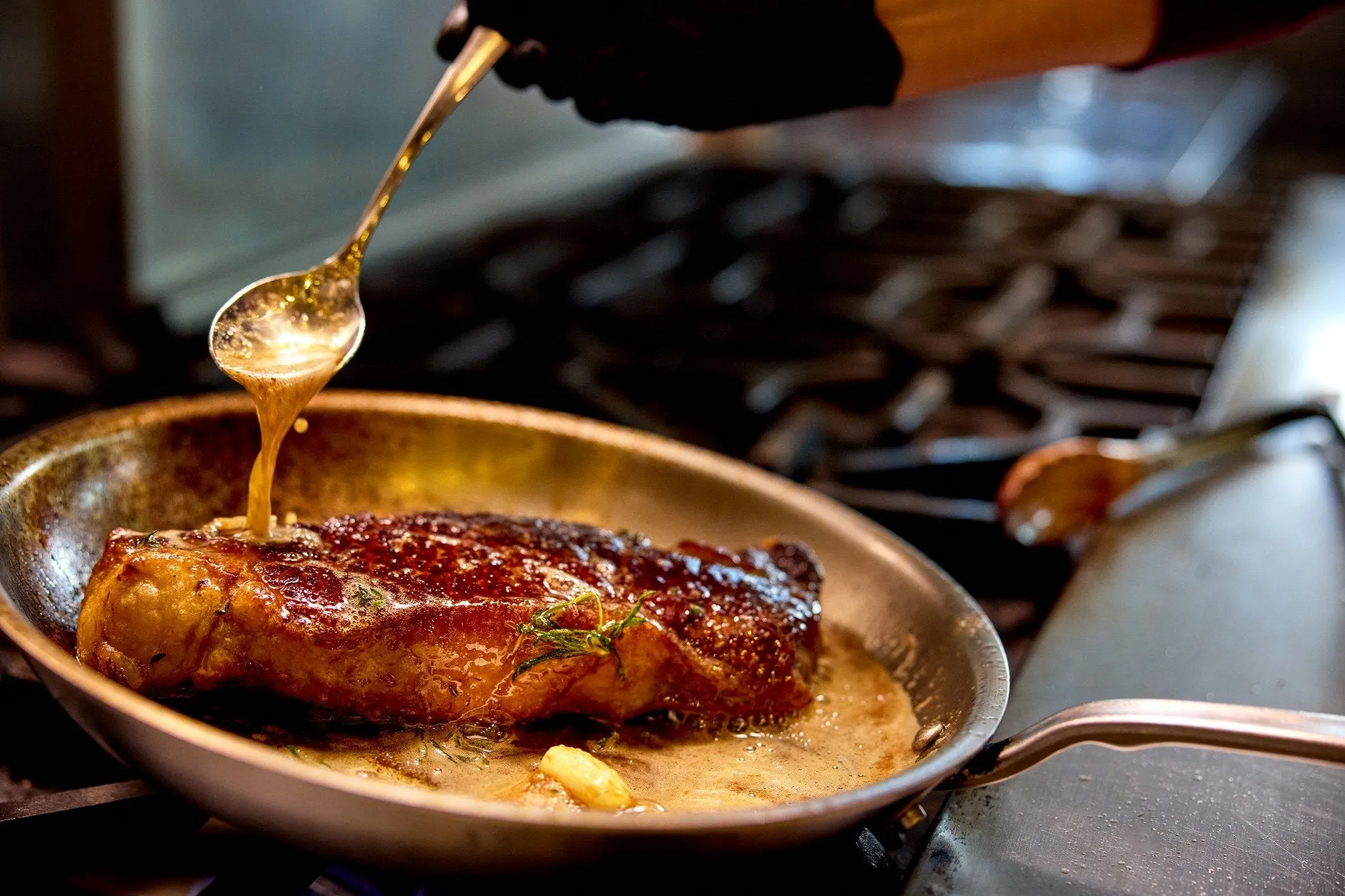
Precision is key when you buy high-end beef from Slickhorn Ranch. Because Wagyu takes longer to reach maturity and develops intense marbling, it behaves differently under heat. Precise monitoring keeps the fat from melting away too fast. A calibrated tool helps you honor the quality of the ranch-to-table process and ensures a perfect meal every time.
Wagyu beef is unique because it has high levels of healthy fats. These fats create a marbled look and a rich flavor. Because of this high fat content, the fat in the meat melts at a low heat. This makes careful checks very important when you cook your steak.
When you cook a Wagyu steak, the fat needs to melt to create the best texture. If the meat is too cold, the fat stays solid. This can make the steak feel chewy. But if you cook it too long, the fat will leak out. That leaves the meat dry. You can find more tips on this in our Wagyu steak guide.
Many people use color to check if a steak is ready. But the color of the meat is not a sure way to tell if it is done. Light and the cut of meat can change how it looks. Using a tool to check the heat is the only way to be sure of the internal state.
The best beef cooking temperatures and doneness for Wagyu differ from lean cuts. A rare steak reaches about 125°F to 130°F. While some like this level, many find that more heat helps the fat soften. This softening is what gives the beef its famous buttery feel.
Medium-rare is a popular choice for most steak fans. It hits a target of 130°F to 140°F. At this range, the fats fully melt into the meat. This creates a juicy bite that shows off the rich taste. It offers a great mix of a soft feel and a warm center.
A medium steak reaches 140°F to 150°F. While this is safe to eat, you must watch the heat. If you go higher, you risk losing the fat that makes Wagyu special. Once the fat drains away, the steak loses its unique taste and soft feel. Use a digital meat thermometer to get an exact count.
Keep in mind that the steak keeps cooking after you take it off the heat. The heat inside will continue to rise as the meat rests. To hit your target, pull the steak off the grill when it is a few degrees below your goal. This simple step ensures you do not miss the best wagyu steak temperature.
Cooking a high-end steak like Wagyu needs care to protect your meat. While many cooks judge beef by its color, things like lighting and the cut can make that a bad test. Instead, you should rely on the internal heat to find the right level of doneness. This is key for Wagyu, as its rich fat melts at a lower heat than other beef. To get the best results, you must use a calibrated digital thermometer to track the heat as it builds.
The way you put in the tool is just as vital as the tool itself. For a thick cut, you should push the probe into the side of the steak. Aim for the thickest part of the beef to get a true count of the core. If you put it in from the top, you might miss the center or hit the hot pan. Keeping the probe flat with the cutting board helps you find the middle of the steak with ease.
Wagyu is famous for its fat, but large white seams can give you a false count. Fat holds heat in a different way than lean meat, so try to probe the red parts. If your cut has a bone, stay at least half an inch away from it. Bone moves heat faster than meat and will show a higher number than the actual beef cooking temperatures and doneness you want. Check a few spots to make sure the heat is even across the whole steak.
You should not wait until the steak hits its final goal to pull it from the heat. Meat keeps cooking after you take it off the grill or pan. This carryover cooking can raise the internal heat by five to ten degrees. For Wagyu, pulling the meat early helps you avoid cooking the soft fats too much. Set the steak on a warm plate and let it rest so the juices stay in the meat.
Cooking a steak does not end when you take it off the grill or pan. A process called carryover cooking means the internal temperature of meat will continue to rise after it is removed from the heat source. For a high-value cut like a Slickhorn Ranch Wagyu steak, this rise is critical. If you wait until the meat hits your target temp to pull it, you will likely overshoot your goal. Most experts suggest pulling the steak when it is 5°F to 10°F below your final target.
Heat moves from the hot surface of the steak toward the cooler center. Even when the heat source is gone, the outer layers of the beef are much hotter than the middle. This heat keeps moving inward, which raises the beef cooking temperatures and doneness even while the steak rests. Because Wagyu beef has so much intramuscular fat, the heat moves through the cut with ease. This fat melts at a lower temperature than other beef, making timing even more important for a perfect result.
The amount of carryover rise depends on the size of the cut and how hot you cook it. A thick steak has more mass, so it holds more heat and may rise more than a thin one. High-heat methods like searing can also lead to a larger jump in temp once the meat is off the pan. Using a digital meat thermometer is the best way to track these changes in real time. For more tips on handling these premium cuts, check out our Wagyu steak guide to see how to prep your meat for the best flavor.
Resting your steak is not just about juice; it is about control. Giving the meat five to ten minutes to sit allows the heat to spread out. This stops the rise and lets the steak finish at a steady temp. This step ensures your Wagyu reaches the right level of melt-in-your-mouth fat without becoming overdone. Always track the rise with a probe to know exactly when your steak is ready to serve.
Cooking high-end beef takes more care than a standard steak. Many home cooks treat a Wagyu cut like a lean piece of beef, but its high fat content changes the rules. To get the best results, you must avoid these common errors that can ruin your Wagyu steak guide experience.
One of the biggest mistakes is trying to cook a steak by minutes per side. Every cut has a different thickness and starting temp. Relying on a timer often leads to overcooked meat. Instead, use beef cooking temperatures and doneness charts to guide you. A digital meat thermometer is the only way to know if your steak is ready. This tool helps you hit the exact internal temperature for your preferred level of doneness.
Many people think pink meat means rare and brown meat means well done. But color is not a good way to judge a steak. Things like the cut of meat and the light in your kitchen can make the color look wrong. Wagyu is rich in healthy fats that melt fast, which can also change how the meat looks as it cooks. For a perfect cook Wagyu New York strip, focus only on the numbers on your thermometer.
When you use a probe, be careful where you stick it. If the tip of your probe hits a large seam of fat, the reading will be wrong. Fat heats up faster than muscle. This can make you think the steak is done before it really is. Always aim for the thickest part of the meat and stay away from bone or heavy fat. This ensures you get a true reading of the core heat.
Steak does not stop cooking the moment you take it off the heat. The heat on the outside of the meat keeps moving toward the center. This is called carryover cooking. If you wait until the steak hits your target temp to pull it, it will end up overcooked. You should pull your Wagyu about 5 to 10 degrees before your goal. Then, let it rest for at least five minutes to let the juices settle and the temp finish rising.
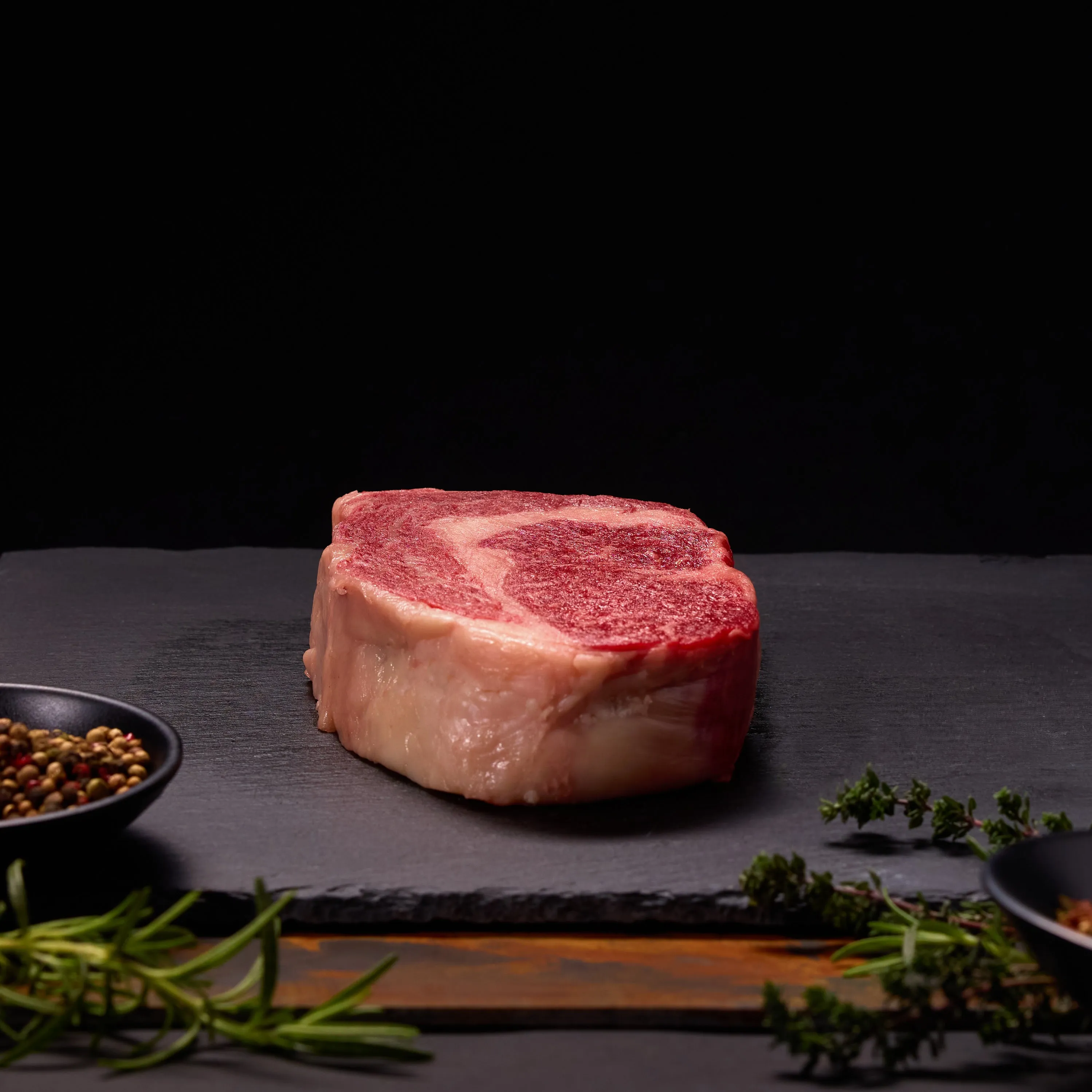
Use the complete Wagyu steak guide to choose and prepare the right cut.
Cooking Wagyu takes more care than other beef. The fat in Wagyu is unique. It melts at a lower point than the fat in most steaks. This is why you must track the wagyu steak temperature with care. If you miss the mark, the rich fat might melt away too fast. You want to keep that flavor in every bite you take.
Do not judge a steak by its color alone. Meat can look pink or brown for many reasons. The light in your kitchen or the cut of the steak can play tricks on your eyes. Sometimes, a steak stays pink even when it is safe to eat. Experts say that checking the internal temperature is the only way to be sure of the result. For Wagyu, this close watch keeps the fine fats in the meat so they do not drain away.
Use a clear plan to cook your steak. Most fans of Wagyu like a medium-rare finish. This level helps the fat melt without overcooking the meat. It gives you the best mix of feel and taste. You can use these beef cooking temperatures and doneness marks to reach your goal. It helps to have a plan before you start the heat.
Using these steps makes sure your meal is tender and full of flavor every time. You will get a chef-level meal right in your own kitchen. It is the best way to show care for the hard work that goes into raising such top-tier beef.
Timing your steak can be tricky because many things change how fast heat moves through the meat. A timer gives you a rough idea. However, the beef cooking temperatures and doneness you want are only certain when you check the meat. Knowing these factors helps you avoid a cold center or a dry steak.
The size of your Wagyu steak guide matters more than its weight. A thick steak needs much more time for heat to reach the middle than a thin one. If a steak is flat and wide, it cooks faster than a round, thick cut like a filet. Heat must travel from the outside to the core. Every extra half inch of steak thickness adds several minutes to your cook time.
A cold steak takes longer to cook than one at room temperature. Many chefs let meat sit out for thirty minutes to take the chill off. High marbling also plays a role in how fast a steak heats up. Since Wagyu has a high fat content, it needs careful watch because intramuscular fat melts at a lower temperature than other beef. This fat helps move heat, but it also means the meat can overcook fast if you are not careful.
How you apply heat changes how long you wait for your meal. A heavy cast iron pan holds a lot of heat and cooks meat fast. A grill uses direct fire, which can be even hotter but may heat the meat unevenly. It is also vital to think about the rise in internal temperature that happens after you pull the meat off the heat. This carryover cooking can add five degrees or more while the steak rests.
Wagyu beef has a high amount of fat that melts at a lower temperature than other beef. This means you must watch the heat closely. Most experts say you should serve it medium-rare to keep the rich flavor and soft feel. According to Washington State University, the fat in Wagyu is rich in healthy oils that melt quickly. Cooking it too much can cause this fat to run out and leave the meat dry.
For the best taste and soft texture, aim for a medium-rare finish. This usually means an internal temperature between 130 and 140 degrees Fahrenheit. The USDA notes that this range offers a good balance of safety and quality for beef. While some people like a rare steak at 125 degrees, medium-rare helps the fat in Wagyu melt just enough to coat the meat. This creates the buttery feel that makes this beef famous.
Yes, you should always remove your steak from the heat before it hits your target temperature. This is because of a process called carryover cooking. The USDA explains that meat continues to get hotter even after you stop cooking it. For Wagyu, try pulling the steak when it is 5 to 10 degrees below your goal. This step prevents the steak from getting too done while it rests on your plate or cutting board.
You should let your Wagyu steak rest for at least 3 to 5 minutes before you cut into it. This time allows the juices inside the meat to move back to the edges. If you cut it too soon, all the tasty juice will run out and the meat will become tough. Resting also gives the carryover cooking time to finish its work. This short wait ensures every bite is as juicy and full of flavor as possible.
The most reliable way to check your steak is with a digital meat thermometer. You should not judge doneness by the color of the meat or how it feels. According to EHL Insights, factors like lighting and the specific cut of meat can make color a poor guide. Using a calibrated tool ensures you reach the exact temperature you want every time. This is the only way to avoid overcooking such a high quality piece of beef.
Use a dependable thermometer, pull the steak before its final target, and give it a short rest. That simple routine protects the texture and flavor of a premium cut. Shop Fullblood Wagyu steaks and put this temperature guide to work on your next cook.
Your cart is currently empty.
Start Shopping