


Wagyu vs Angus: Key Differences, Flavor, and Cooking
Compare wagyu vs angus flavor, marbling, texture, and cooking, then shop premium Fullblood Wagyu and dry-aged USDA Prime beef.
Compare wagyu vs angus flavor, marbling, texture, and cooking, then shop premium Fullblood Wagyu and dry-aged USDA Prime beef.

The main difference between Wagyu and Angus lies in marbling: the fine white veins of intramuscular fat that shape flavor, tenderness, and cooking technique. For premium beef shoppers, the better choice depends less on a universal winner and more on the eating experience you want.
Shop Slickhorn Ranch Fullblood Wagyu
Looking at wagyu vs angus shows two distinct eating experiences. Angus is known for beef-forward flavor and a satisfying steakhouse bite. Wagyu is prized for finer, more abundant intramuscular fat, which creates exceptional tenderness and buttery richness as it renders during cooking.
Both breeds have earned their place on excellent menus. Understanding their practical differences helps you choose the right cut, portion, and cooking method for your table.
Choosing between Wagyu and Angus comes down to your taste for marbling and richness. While Angus is the standard for American steakhouse quality, Wagyu offers a unique level of fat. This difference starts with marbling and ends with how the beef feels on your plate. You can explore Fullblood Wagyu cuts or use the comparison to choose the right premium beef for your next meal
Our ranching heritage spans 600K+ acres across Wyoming, Utah, and Idaho, where we’ve raised premium beef for four generations.
.
The main gap between these two breeds is their fat. Angus beef carries most of its fat in thick layers around the muscle. In contrast, Wagyu stores fat inside the muscle as fine white flecks. This fat has a much lower melting point than standard beef fat. Wagyu fat can melt at heat as low as 77 degrees F, while standard grain-fed beef fat melts at 104 to 122 degrees F.
This low melting point gives Wagyu a buttery feel that starts to soften at room heat. The high levels of oleic acid in Wagyu also help give a higher share of healthy fats compared to other breeds. While Angus offers a bold beef flavor, Wagyu gives a sweet and savory richness that coats the tongue.
Use this table to see how these two beef types stack up for your next cook or special event.
| Feature | Angus Beef | Wagyu Beef |
|---|---|---|
| Marbling | In outer layers | Inside the muscle |
| Flavor | Bold, classic beef taste | Rich, buttery, and sweet |
| Texture | Firm with a meaty bite | Soft and tender |
| Richness | Moderate and balanced | Very high and savory |
| Cooking style | High-heat grilling | Gentle searing |
| Best occasion | Family meals and BBQs | Special events and gifts |
Angus is a good choice for large groups. Its firm bite and classic taste make it the top pick for burgers and thick steaks. If you want a hearty meal that holds up well to salt or smoke, Angus is your best bet. Most people know this flavor as the standard for a steak dinner.
Wagyu is best in small servings due to its deep richness. Because the fat melts so fast, it needs a light touch on the heat. A quick sear is often enough to bring out the full flavor without losing the oils. It is the best choice for a big event where the meat is the main draw.
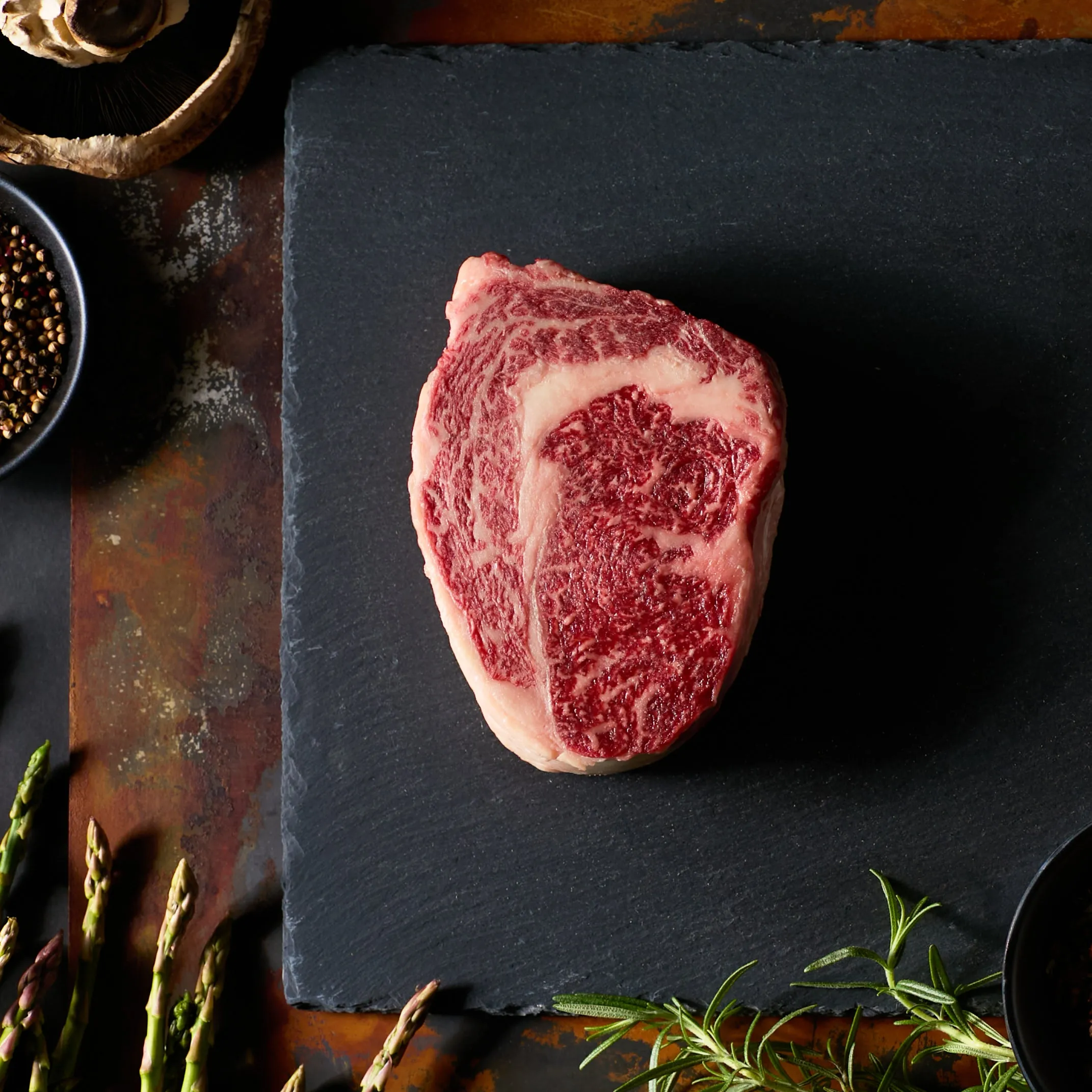
Marbling is the white flecks of fat inside the muscle of a steak. It is also known as intramuscular fat. When you look at a steak, these small lines of fat show you how the meat will taste and feel. The amount of this fat is the main way to see the differences between Wagyu and Angus beef. While Angus has some marbling, Wagyu is famous for a thick web of fat that covers the whole cut.
This fat does more than just look good. It changes the way the meat feels in your mouth. High levels of fat create a rich, buttery taste that stays on your tongue. In Wagyu beef, the fat has more oleic acid than regular beef. Research shows that highly marbled beef has more monounsaturated fats. These fats give the meat a deep flavor that makes it stand out from other types of steak.
One of the biggest differences in how you eat this beef is the melting point of the fat. Standard beef fat melts at about 104 to 122 degrees F. But the fat in high-grade Wagyu can melt at 77 to 82 degrees F. This is lower than the heat of your own body. Because it melts so fast, the steak feels like it is melting on your tongue. This creates a soft mouthfeel that you cannot get with lean cuts of meat.
As the meat cooks, the marbling melts into the muscle fibers. This process coats the meat from the inside out. It keeps the steak moist and tender even at higher heat. This is why many people compare Wagyu vs Angus beef based on how easy it is to chew. The melted fat acts as a natural juice. It makes every bite feel soft and juicy, which is the mark of a top-shelf steak experience.
Wagyu does not universally taste better than Angus; it offers a different experience. Choose Wagyu for abundant marbling, buttery richness, and a tender bite. Choose Angus for a firmer texture and bold, familiar beef flavor. Your preferred portion size, richness, and cooking style determine the better steak.
The choice between Wagyu and Angus comes down to your own taste. Most people know Angus beef for its bold, hearty flavor. It is the classic steakhouse choice that many home cooks trust. Fullblood Wagyu feels very different. It has a rich, buttery taste and a texture that feels like velvet in your mouth.
Marbling refers to the white flecks of fat inside the muscle. Angus beef often has good marbling, but Wagyu is known for a higher level. Wagyu beef has more fat inside the muscle. This creates a deep umami flavor. When you compare Wagyu vs Angus beef, you will notice that Wagyu fat is spread more evenly through the meat.
This high fat content means you should eat Wagyu in small portions. It is very rich, much like a fine sweet or a heavy cream. Angus is better for those who want a larger, more common steak. Both breeds can produce high-quality meat, but Wagyu marbling is often more intense because of the breed's history.
One big difference is how the fat reacts to heat. Wagyu fat has a very low melting point. Some types can even start to melt at room temperature. This is because Wagyu has high levels of healthy fats. Research shows that Wagyu fat melting points are much lower than those of other beef.
Because the fat melts so fast, it coats your tongue as you eat. This creates the "melt in your mouth" feel that fans love. Angus fat stays solid at higher heat. This gives Angus a firmer chew and a more focused "beefy" bite. If you want a classic steak with a strong crust, Angus is a great pick. For a rich and tender treat, Fullblood Wagyu is the top choice.
The way a ranch handles the meat also changes the flavor. At Slickhorn Ranch, we use dry aging to improve our Dry-Aged USDA Prime beef. For Prime and Choice cattle, this 28-day process breaks down the muscle and makes the beef more tender. It also makes the flavor strong and gives it a nutty taste. Both Wagyu and Prime Angus are elite options, so the best one depends on what you want to eat that day.
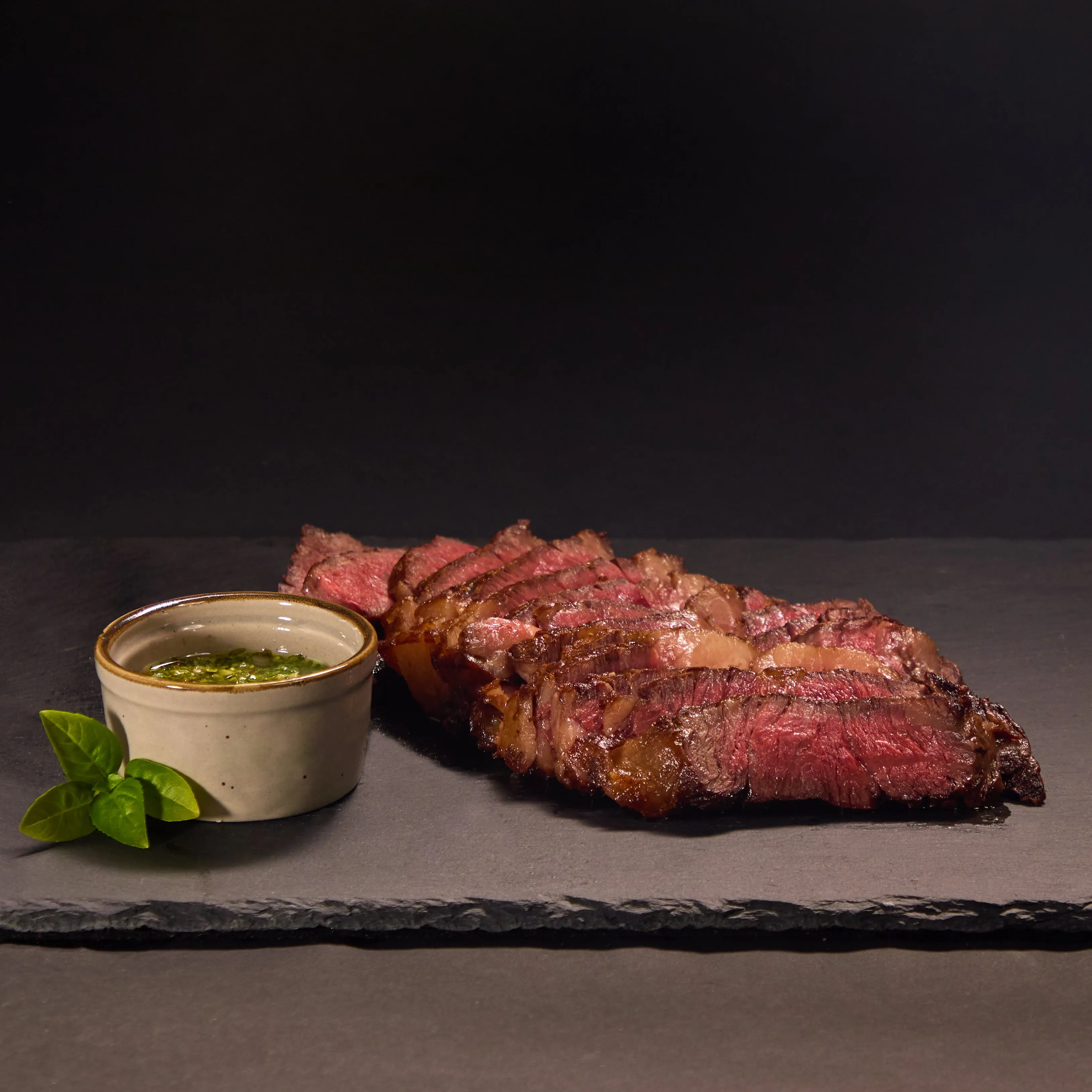
Cook Wagyu gently in smaller portions so its fine marbling renders without escaping, typically with a quick pan sear over medium heat. Angus tolerates higher grilling heat and longer cooking, making it well suited to thicker steaks. Rest either beef after cooking to retain moisture and improve texture.
Cooking a steak well depends on the fat. Wagyu and Angus have different types of fat. Angus beef has thick bands of fat on the edges. Wagyu has fat mixed into the meat, which people call marbling. Knowing the differences between Wagyu and Angus helps you choose the right cook. These fat levels in Wagyu change how the meat reacts to heat. If you treat them the same, you might lose the best parts of the meat.
The biggest difference is the melting point. Wagyu fat starts to melt in a warm room. Angus fat is much harder and needs more heat to turn into liquid. Because Wagyu melts so fast, you must cook it with more care. You do not want the rich fat to run out of the pan. Keeping that fat inside the meat is what gives it a buttery feel.
You can cook Angus over a very hot flame to get a dark crust. But Wagyu does better with gentle, medium heat. If the pan is too hot, the fat will burn before the meat is ready. You should also eat smaller portions of Wagyu. It is very rich, so a small steak is often enough for one person. You can compare Wagyu vs Angus beef to see which size fits your meal best.
Angus steaks can be thick and large. We often grill them for a long time to reach the right level of doneness. Wagyu is best when it is thin or cut into small cubes. This lets the heat reach the center quickly without melting all the marbling away. It is better to sear it fast and keep the inside tender.
When you cook Wagyu, you do not need to add butter or oil to the pan. The meat has more than enough fat to cook itself. Angus steaks often need a bit of oil to keep them from sticking. Use a heavy cast iron pan for both. This type of pan holds heat well and gives an even cook. Follow these steps to get the best result from your steak.
Resting is vital for both types of beef. It lets the juices move back through the meat so it stays moist. For Angus, this helps the fibers relax. For Wagyu, it lets the melted fat set just enough to stay in every bite. Once you master these tips, you will taste the true quality of the ranch.
Choose Wagyu when you want an intensely rich centerpiece for a tasting, gift, or special dinner. Choose Angus when you want a hearty, classic steak for grilling or serving a crowd. Consider flavor, serving size, cooking method, and budget rather than treating either option as universally better.
Picking between these two breeds depends on what you want from your meal. Both types offer good taste, but they fit different needs. You should think about how you plan to cook and serve the meat. A quick dinner at home is not the same as a big holiday feast.
Angus is the best pick for a classic steak meal. It has a bold, beefy taste that most people know and love. If you want a large steak that fills your plate, Angus is the way to go. It works well for grills and family meals where you want a hearty bite.
Wagyu is a top choice for special times. Its rich, oily feel makes it a treat. Since it is so rich, you may want to serve it in small pieces. This makes it perfect for a date night or a small tasting. Knowing the traits of Wagyu and Angus helps you match the beef to your plans.
Wagyu has more fat than Angus. This fat is not just on the edge; it is marbled through the whole cut. This makes the meat soft and full of flavor. Some studies show that this fat is high in good acids. This type of fat may even reduce risk factors for heart disease. Because it is so rich, most people eat less of it.
Angus is leaner than Wagyu. You can eat a full large steak without feeling too full from the fat. It is a good choice for those who want a firm feel and a deep flavor. If you are feeding a crowd, Angus allows for larger steaks that still feel light. You can find more tips on Wagyu versus standard Angus cuts to see which size fits your guests.
Cost is a big part of the choice for most folks. Wagyu costs more because it takes more time and care to raise the cows. It is a rare treat for many people. If you want the best fat lines, be ready to pay a higher price. It is a good choice for a unique meal.
Angus is easy to find and costs less. It is a high-grade beef that fits most weekly plans. You can get a great cut of Prime Angus for a fair price. Here are some quick things to keep in mind when you buy:
Labels alone do not tell the whole story. A Choice cut of one breed might be better than a Prime cut of another. Look for good fat lines and a bright color. No matter which you pick, starting with good meat is the key to a great meal.
When buying premium beef, inspect the amount and distribution of marbling, confirm the stated grade or program, and choose a cut suited to your cooking plan. Buy from a transparent seller that clearly explains sourcing, handling, and fulfillment so the beef arriving at your door matches the product description.
Buying high-end beef takes more than just picking a brand name. To get the best meal, you must look at the fine details that set top cuts apart. Whether you want a rich steak or a lean roast, knowing these traits helps you choose the right piece for your table. You should start by looking at the marbling. These are the white fat flecks inside the red muscle. This fat gives beef its flavor and soft feel.
Marbling is the most vital sign of quality in high-end beef. When you compare Wagyu vs Angus beef, you will see that Wagyu often has much more of this white fat. This fat should be bright white and spread evenly through the meat. Good marbling means the beef will be juicy and tender when cooked. Research shows that Wagyu beef fat starts to melt at lower temperatures than other types of beef. This low melting point is why the meat feels so smooth in your mouth.
Grades give you a quick way to judge meat quality. In the U.S., the top grade is USDA Prime. It has the most marbling and best texture. However, some brands use their own programs to ensure even higher standards for their herds. You should also look at the cut of the meat and how it fits your plans. Knowing the differences between Wagyu and Angus can help you decide if you need the rich taste of Fullblood Wagyu or the bold beef flavor of Prime Angus. Each beef option offers a unique meal based on its marbling and how the ranch raised the cattle.
A good seller should be open about where their beef comes from and how they pack it. Look for a ranch that handles everything from the herd to your door. This total control helps keep the quality high and the food safe. Sellers who share facts about their ranch methods show they care about their product. You can learn more about Wagyu versus traditional Angus cuts to see which one fits your cooking style. Always check if the seller uses clean methods to keep the meat pure without harsh chemicals.
Wagyu can be worth the higher price when you value intense marbling, buttery richness, and a memorable meal over a large serving. Its smaller recommended portions can help balance the premium cost. Buy from a trusted ranch and select a cut suited to your recipe to get the most value.
Deciding if Wagyu is worth the cost depends on the meal you want to make. While Angus beef is a good choice for a common meal, Fullblood Wagyu offers a rich taste that sets it apart. The higher price reflects the care needed to produce deeply marbled beef. For those who want the best flavor, the differences between Wagyu and Angus are clear from the first bite.
Wagyu is more than just meat; it is a luxury. Because it has a lot of fat, a small serving often feels more full than a large Angus steak. Many people find that a few ounces of rich Wagyu give as much joy as a big plate of lean beef. This makes it a great choice for special days when you want to focus on quality. The soft feel and rich taste come from the high levels of oil in the beef.
This type of fat melts at a very low heat. In fact, studies show that some Wagyu fat can melt at 77 degrees F, as seen in data on oleic acid in Wagyu beef. This is much lower than the fat in most other cows. Since the fat starts to melt as soon as it hits your tongue, it feels smooth and soft. If you want to compare Wagyu vs Angus beef, this low melt point is a big part of the value.
To get the most value for your money, you should buy from a source you can trust. It is vital to know the beef comes from a transparent, trusted source. At Slickhorn Ranch, we focus on Fullblood Wagyu so our buyers get the real thing. Buying from a ranch means you know where your food comes from and how the cows were raised. This direct link helps you avoid the high markups found in big stores or posh cafes.
Value also comes from picking the right cut for your meal. Some cuts work best for a quick sear, while others do well with a slow cook. Learning how to cook these fine meats means you do not waste any of it. By picking the right cut and buying from a clear source, you can enjoy a top meal at home. The cost of better beef leads to a meal that your guests will love and recall for a long time.
Browse premium Wagyu beef from Slickhorn Ranch
Neither Wagyu nor Angus should be treated as universally healthier. Wagyu often contains a higher proportion of monounsaturated fat, including oleic acid, but it can also be very rich. Both provide protein and nutrients. Portion size, preparation, and your overall diet matter more than the breed name alone.
American Wagyu generally refers to cattle with Wagyu and another breed in their lineage, often Angus. Angus is a distinct cattle breed known for classic beef flavor. Labels and programs vary, so shoppers should confirm the producer's stated program rather than assuming a specific bloodline or marbling level from the name alone.
Wagyu is known for abundant, finely distributed intramuscular fat. That marbling softens and renders as the steak warms, creating the tender, rich mouthfeel commonly described as melt-in-your-mouth. Careful cooking preserves that experience by rendering the fat without overcooking the meat.
Premium Wagyu typically commands a higher price because of its distinctive marbling, limited supply, production costs, and strong demand. The exact price depends on the producer, cut, program, and grade. Angus is more widely available, so shoppers can often find it across a broader range of price points.
Explore Slickhorn Ranch beef when you are ready to compare these flavors at your own table. Select Fullblood Wagyu for rich marbling and a tender bite, or browse dry-aged USDA Prime beef for a classic steak experience. Choose the cut and portion that best fit your next meal.
If you wait to try real meat from a ranch, you will settle for bland steaks from a store that lack rich taste and deep flavor. Waiting for your order means you miss the chance to share a great meal that guests will talk about for many weeks to come. Read our guide on what is Wagyu beef to learn why our ranch beef traits stand out and then pick your cut. You do not have to settle for less when you can get top beef sent to your door from our land today.
Ready to contact us? Browse the ranch store to shop premium beef and start your order today for your next feast.
Your cart is currently empty.
Start Shopping