


Beef Cuts Chart: The Best Cuts for Steaks, Roasts, and Braises
Get a practical beef cuts chart for location, texture, cooking method, and use. Compare fast steaks, slow braises, and premium Wagyu meals.
Get a practical beef cuts chart for location, texture, cooking method, and use. Compare fast steaks, slow braises, and premium Wagyu meals.

A beef cuts chart is most useful when it does more than label a cow. The right cut depends on where it comes from and how much connective tissue it has. It also depends on marbling and whether you plan to sear it quickly or cook it low and slow. Use this guide to match major beef cuts to texture, cooking method, and the meal you want to make. Start with Slickhorn Ranch's Fullblood Wagyu collection when you are ready to compare premium cuts.
The eight primal cuts are chuck, rib, loin, round, flank, short plate, brisket, and shank. Each primal sits in a different part of the animal and gives butchers a starting point for retail steaks, roasts, ribs, ground beef, and other cuts. Location helps explain why one piece wants a hot sear while another needs hours of gentle heat.
Primal cuts are large sections created during the first stage of butchering. Retail cuts are the smaller portions taken from those sections. A ribeye and a short rib, for example, both come from the rib area. Their muscle structure and best cooking methods are not the same.
The chart below is a practical starting point. It combines traditional cut terminology with the questions home cooks ask when shopping: What does it feel like? How should I cook it? Who is it for?
| Primal area | Location | Retail cuts | Texture | Methods | Use |
|---|---|---|---|---|---|
| Chuck | Shoulder and front section | Chuck roast, arm roast, chuck eye | Beefy, often rich in connective tissue. | Braising, stewing, or grinding. Quick sear for chuck eye. | Comfort food, pulled beef, value-focused steaks. |
| Rib | Upper middle back | Ribeye, prime rib, back ribs | Tender and richly marbled | Grilling, pan-searing, roasting | Celebration meals and steakhouse-style dinners. |
| Loin | Behind the rib section | Filet mignon, New York strip, top sirloin | Tender, with a range of marbling | Grilling, broiling, pan-searing, roasting | Fast cooking and special occasions. |
| Round | Rear leg | Eye of round, top round, sirloin tip | Lean and firm | Roasting, braising, thin slicing | Lean roast beef and meal prep. |
| Flank | Lower abdominal area | Flank steak | Lean with visible grain | Hot grilling or searing, then slicing against the grain | Fajitas, salads, and sliced steak meals. |
| Short plate | Lower rib and belly area | Skirt steak, hanger steak, short ribs | Highly flavorful, often pronounced grain | Hot, fast cooking for steaks; low and slow for ribs | Grilling, barbecue, and shareable meals. |
| Brisket | Lower chest | Packer brisket, flat | Firm with substantial connective tissue | Smoking, braising, and other long cooks | Large gatherings and planned leftovers. |
| Shank | Lower leg | Cross-cut shank, osso buco-style cuts | Very firm and collagen-rich | Braising and slow cooking | Deeply flavored soups, stews, and braises. |
For an additional industry reference, the Beef. It's What's For Dinner cut charts show how primal and subprimal sections connect to retail cuts and cooking methods.
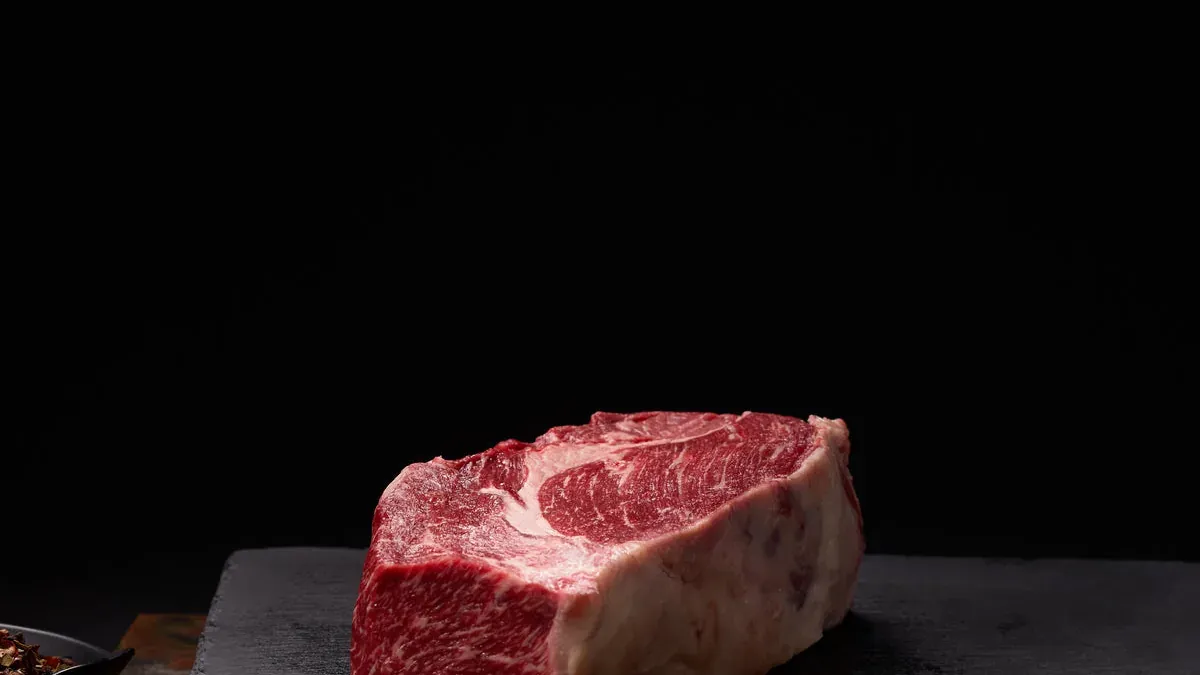
The best steak cuts usually come from the rib, loin, and selected parts of the chuck or short plate. Ribeye is known for richness, filet mignon for tenderness, New York strip for a firm beefy bite. And cuts such as chuck eye, hanger, and flat iron for distinctive flavor. The best choice depends on the texture and richness you prefer.
Steaks are designed for relatively short cooking because they contain less connective tissue than a typical roast or braising cut. That does not mean every steak should be treated identically. Thickness, marbling, and grain all affect the result.
If you are shopping specifically for steak, Slickhorn Ranch's Fullblood Wagyu steaks collection keeps the selection focused on steak-ready cuts. A Steak 101 guide can help you pair the cut with marbling, temperature, and resting time.
Roasts and braising cuts come from areas that work harder, such as the chuck, brisket, round, and shank. Their connective tissue becomes tender when cooked with time and controlled heat. Chuck roast is a dependable braising choice, brisket suits long cooks and gatherings, and round works best when you want a lean roast sliced thin.
Think of connective tissue as a feature, not a flaw. A roast with collagen needs enough time for that collagen to soften and turn into gelatin. A roast cooked like a steak can stay firm. The same cut cooked gently with moisture can become spoon-tender.
For a general roast workflow, use Slickhorn Ranch's roast beef guide for the fundamentals: season thoughtfully, use a thermometer, rest before carving, and slice against the grain. The Wagyu roasts collection is the natural place to browse roast options when you want more marbling in a slow-cooked meal.
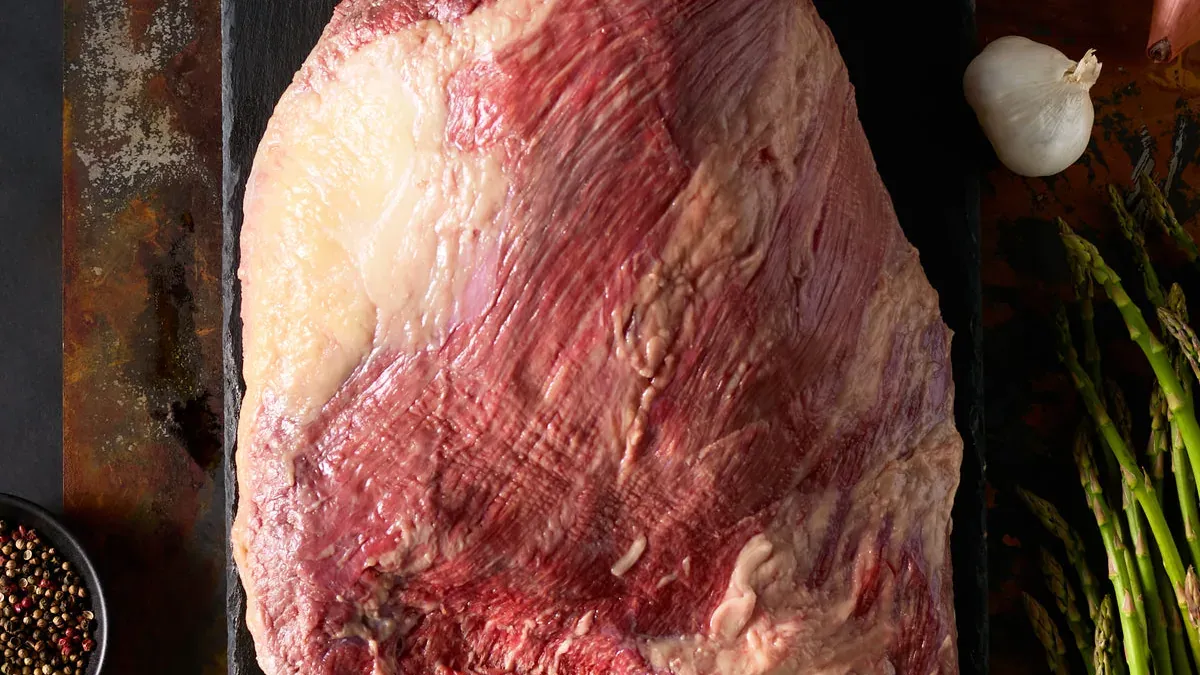
Brisket deserves its own decision. A whole packer is a larger project, while a smaller portion may fit a home oven or braise more easily. If you are comparing premium options, see the Wagyu brisket cooking guide for method-specific direction.
Choose a beef cut by starting with the meal, not the label. Decide whether you want a fast steak, a sliceable roast, a fork-tender braise, or a large-format centerpiece. Then weigh tenderness, marbling, serving size, equipment, cooking time, and how comfortable you are slicing across the grain.
Use this six-question checklist before you buy:
There is no universal winner. The best cut is the one whose structure matches your cooking method and whose flavor profile fits the meal. That is why a beef cuts chart is more useful than a simple list of the most expensive or most tender steaks.
Wagyu changes the buying conversation mainly through marbling, richness, and portion strategy, not by making every cut interchangeable. Fullblood Wagyu can make a familiar steak feel more luxurious, while a Wagyu roast still needs the right low-and-slow method. Match the cut's structure to the recipe first, then choose the premium tier that fits the occasion.
Fullblood Wagyu is not a substitute for cooking knowledge. A richly marbled steak still benefits from a hot cooking surface, restrained seasoning, a thermometer, and a proper rest. A chuck roast still needs time for collagen to soften. The cut name remains the starting point.
Dry-aged beef is another category choice, not a blanket description of every Slickhorn Ranch product. The 28-day dry-aging language applies to Prime and Choice cattle and related products only. Fullblood Wagyu should not automatically be described as 28-day dry aged. For that distinction, compare the USDA Prime and Choice collection with the Fullblood Wagyu collection, then choose by cut and cooking plan.
For a dinner where variety matters more than selecting one cut, Slickhorn Ranch beef boxes can make the decision easier by combining several premium cuts. For a single steak, choose the cut that matches the texture you want. For a roast or braise, prioritize connective tissue, cooking time, and serving size.
Match tender, relatively low-connective-tissue cuts with hot and fast cooking. Match collagen-rich cuts with longer cooking at controlled heat. When a cut falls between those groups, use thickness, marbling, and grain to decide whether grilling, roasting, or braising will give you the best result.
Grilling and pan-searing work well for ribeye, strip, filet, flat iron, flank, skirt, and other steak cuts. These methods build a browned exterior without leaving the center in heat long enough to dry out. A thermometer is more reliable than time alone, especially when steaks vary in thickness.
Roasting suits larger tender cuts and compact roasts. Tri-tip, sirloin tip, top round, and eye of round can be roasted, but they do not all share the same ideal doneness. Lean cuts benefit from careful temperature control and thin slicing. More marbled cuts can offer a richer result when rested properly.
Braising and smoking are better choices for chuck, brisket, short ribs, and shank. These cuts need time because connective tissue has to soften. If you rush them, the meat may be flavorful but still chewy. If you give them enough time, collagen can create the tender, full-bodied texture that makes slow cooking worthwhile.
Cutting technique matters after cooking. Let the beef rest so juices redistribute, then identify the grain. Slicing across the grain shortens muscle fibers and makes many flavorful cuts easier to chew. This simple step is especially important for flank, skirt, bavette, tri-tip, and round.
Explore the Slickhorn Ranch Fullblood Wagyu collection to find a cut that fits your next meal.
A beef cuts chart is a starting point for choosing a cut, not a substitute for a recipe. The most useful answer depends on whether you are grilling, roasting, braising, feeding a group, or shopping for a premium steak. These quick answers cover common questions at the butcher counter.
There is no single best cut for every meal. Ribeye is a strong choice for rich steak flavor, filet mignon for a very tender texture. Chuck roast for braising, brisket for a long cook, and flank or skirt for bold flavor sliced across the grain.
Commonly recognized tender choices include filet mignon, ribeye, New York strip, top sirloin, and flat iron when each is cooked and sliced properly. Tenderness also depends on thickness, aging, marbling, doneness, and resting, so the label alone does not guarantee the final texture.
Chuck eye steak is often called the poor man's ribeye because it comes from the chuck area close to the ribeye and can offer a similar beefy, marbled character. It is a limited cut, so availability varies. See the chuck eye guide for more detail.
Chuck roast is one of the most reliable braising choices because it has enough connective tissue to become tender over a long, gentle cook. Brisket, short ribs, shank, and arm roast can also work well when the method provides enough time and moisture.
Charts vary. Some show the eight primal areas, while others list dozens of retail cuts created from those primals. This guide starts with the eight primal cuts, then names the retail cuts most useful for home cooking and online beef shopping.
Your cart is currently empty.
Start Shopping