


What Is Dry Aged Meat? Flavor, Process, Cost Explained
Shop dry aged meat with confidence. Compare flavor, texture, aging time, and cost. Get cooking tips before you choose a premium cut.
Shop dry aged meat with confidence. Compare flavor, texture, aging time, and cost. Get cooking tips before you choose a premium cut.

Dry aged meat is not meat left in the back of a refrigerator. It is beef given time, air, temperature, and humidity in a controlled environment, so moisture leaves and natural enzymes can change the eating experience. The result is a deeper, more concentrated expression of beef rather than a flavor added by a sauce or seasoning. Choose a professionally dry-aged cut for your next steak night.
Shop professionally dry-aged beef from Slickhorn Ranch
Dry aged meat is beef held in a carefully controlled environment so moisture evaporates and flavor compounds become more concentrated. Enzymatic activity helps change the texture while the beef develops savory, nutty, and earthy notes. Controlled space, lost moisture, trimming, and patience explain why dry aged meat commands a premium.
So what separates careful aging from spoilage, and what actually happens inside the cut? Start with the conditions that make the process deliberate, then use that knowledge to buy and cook dry aged beef with confidence.
Slickhorn Ranch defines dry aged meat as beef held for a measured period in a carefully controlled environment while moisture leaves the cut and natural flavor and texture develop. It is not simply old meat left uncovered in a household refrigerator, where temperature, humidity, airflow, and sanitation are difficult to control.
Professional dry aging usually begins with a large primal or subprimal cut rather than an individual steak. The cut has enough interior volume to protect the edible center while its exterior forms a firm, dry surface. Once aging is complete, that surface is trimmed away and the usable center is portioned into steaks or other cuts.
That distinction matters because dry aging changes more than a package date. Water moves from the interior toward the surface and evaporates. The remaining beef has a more concentrated flavor, while natural enzymes contribute to changes in tenderness. The process produces a specific eating experience, not a generic claim that one steak is simply better than another.
Dry aging is also different from wet aging. Wet-aged beef remains sealed in a moisture-retaining package, while dry-aged beef is exposed to a managed atmosphere. Both approaches can develop beef, but the flavor, aroma, surface, yield, and handling requirements are different. Our guide to the difference between wet-aged and dry-aged beef goes deeper into that comparison.
A large cut gives the process room to work. The outer surface can dry and later be trimmed while the interior remains the valuable portion. Starting with a thin individual steak would leave less protection around the center and create more waste relative to the amount of beef that reaches the plate.
Dry aging is intentional and monitored. Spoilage is uncontrolled deterioration. A professional aging program uses defined conditions and handling standards instead of leaving meat in ordinary refrigerator conditions and hoping for a predictable result. That is why home storage should not be treated as a substitute for professional dry aging.
Slickhorn Ranch's dry-aging explanation starts with four controls: cold temperature, humidity, air movement, and air quality. Moisture moves toward the surface and evaporates, the exterior forms a dry crust, and that crust is trimmed before the beef is portioned.
The first requirement is a dedicated environment. A household refrigerator opens often, contains foods with different odors, and is not designed to maintain the same conditions around a large piece of beef for weeks. Professional equipment allows the aging team to manage the variables that affect consistency.
Time then allows several changes to occur together. Moisture loss concentrates the beef's natural flavor. Enzymatic activity changes some connective-tissue structure. Air exposure creates a dry exterior that protects the interior during the aging window. These changes are gradual, so the final result depends on the cut, the environment, and the aging length.
Those steps also explain why a dry-aged steak can be smaller than the original cut. The beef loses water, and the dried exterior is not served as the finished steak. The customer is paying for a more concentrated eating experience after a process that uses cold space, time, skilled labor, and additional trimming.
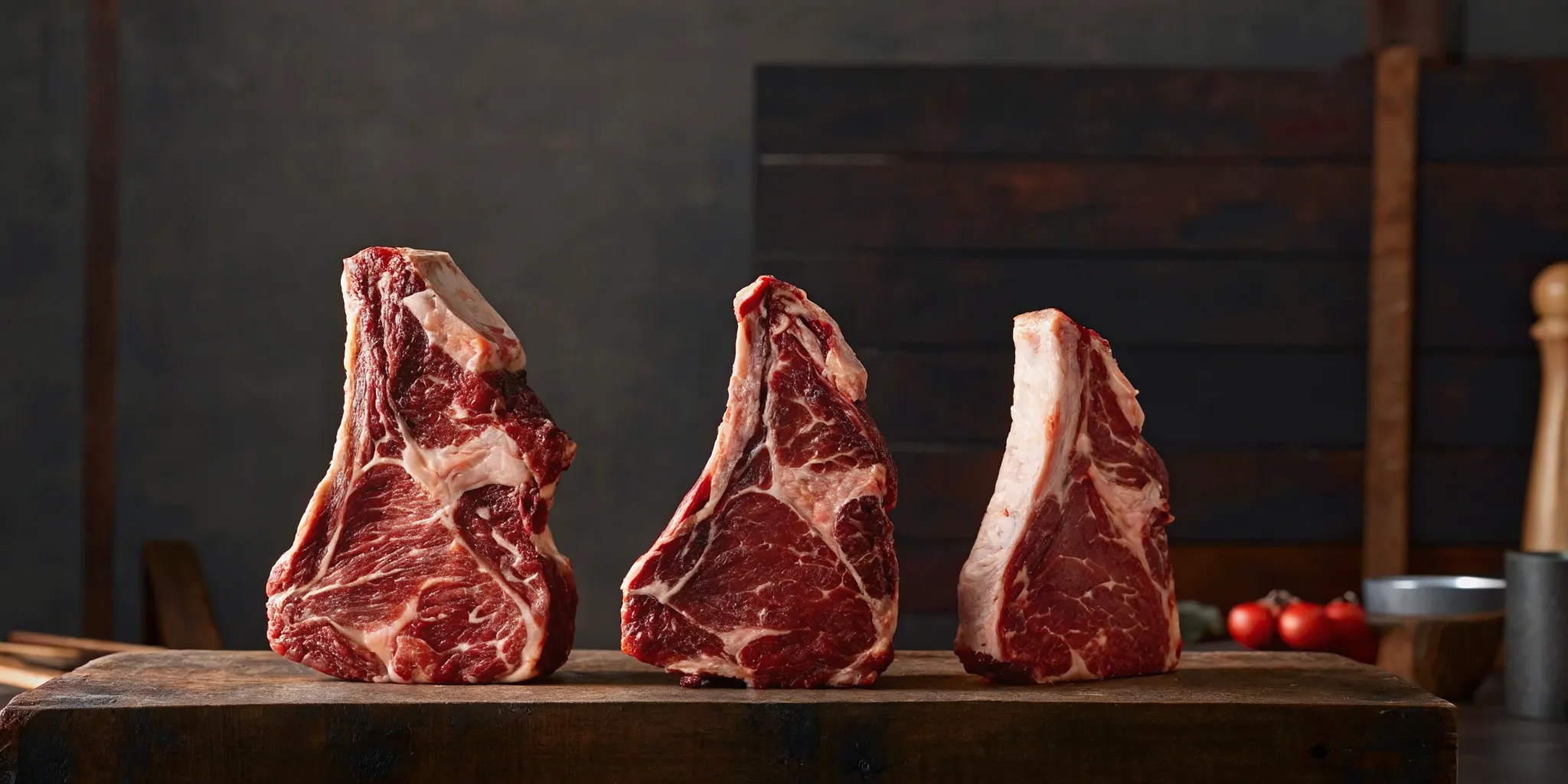
For a closer look at the science, read Slickhorn Ranch's guide to how 28-day dry aging changes beef. It explains the role of time, temperature, moisture, and natural enzymes without reducing the process to a single flavor claim.
Slickhorn Ranch describes dry aged meat as more concentrated and savory than fresh beef, with possible nutty, earthy, roasted, or umami notes. The texture may become more tender, but the exact result depends on the cut, aging conditions, marbling, and length of time.
Flavor concentration is the easiest change to understand. As water leaves the beef, the compounds that give it character become less diluted. That can make a dry-aged steak taste fuller and more persistent, even when the seasoning is simple.
The aroma can be distinctive too. Some diners notice toasted, nutty, earthy, or buttery impressions. Those descriptions are useful shorthand, not a guarantee that every dry-aged steak will taste identical. A ribeye with abundant marbling will present differently from a leaner cut, and an aging program that runs longer will create a different profile from a shorter one.
Moisture loss is part of the reason, but it is not the whole explanation. Enzymatic changes and the conditions around the cut also influence the final profile. The result is often a deeper expression of beef flavor rather than a flavor added from a sauce, rub, or smoke.
Dry aging can improve tenderness, but the word tender should not erase the identity of the cut. Muscle structure, marbling, thickness, cooking temperature, and slicing still matter. A well-aged steak can be flavorful and tender while requiring a different approach from a very lean cut.
That is why dry aging should be viewed as one part of a steak's character. The grade, cut, marbling, aging conditions, and cooking method all influence the meal. Slickhorn Ranch's USDA Prime dry-aged steak guide explains how grade and aging work together rather than treating either label as the whole story.
Slickhorn Ranch's comparison is straightforward: dry-aged beef is exposed to controlled air so moisture can evaporate and flavor can become more concentrated. Wet-aged beef stays sealed in a moisture-retaining package, which reduces surface loss and creates a cleaner, more familiar beef profile.
Neither method is automatically right for every diner. The better choice depends on whether you want a pronounced aged character, a cleaner beef flavor, a particular cut, or a price that reflects different processing requirements. Understanding the tradeoffs makes the purchase more useful than choosing by label alone.
| Feature | Dry aged meat | Wet aged beef |
|---|---|---|
| Environment | Large cuts rest in a controlled atmosphere with managed airflow. | Beef ages in a sealed package with its natural moisture retained. |
| Flavor | Concentrated, savory, and often nutty or earthy. | Cleaner and closer to the beef's fresh-cut profile. |
| Surface | A dry exterior forms and is trimmed before portioning. | The package protects the surface and limits evaporation. |
| Yield | Moisture loss and trimming reduce the saleable weight. | Less surface trimming and moisture loss generally preserve more yield. |
| Best for | Diners seeking a more intense, developed steak experience. | Diners who prefer a familiar beef flavor and softer price point. |
If you are deciding between the two methods, use the dry-aged versus wet-aged comparison as a quick reference. The point is not to turn preference into a rule. It is to know what kind of steak experience you are buying.
Slickhorn Ranch explains the premium through process, not mystery. Dry aged meat occupies controlled cold-storage space for weeks, loses moisture, requires exterior trimming. And demands skilled handling, so the price reflects lower saleable yield and a longer path to the plate.
Time is the first cost. A fresh steak can move through the supply chain without occupying a dedicated aging environment for an extended period. Dry-aged beef must remain in that environment while the process does its work, which ties up inventory and requires monitoring.
Yield is the second cost. The original cut loses water, and the dry outer layer is removed. What remains is a smaller amount of usable beef with a more concentrated profile. The processor cannot price the final steak as though none of the original weight or labor disappeared.
There are also costs that shoppers do not see in the package photograph. The aging room needs reliable temperature and humidity control. Staff need to monitor and handle the beef. After aging, someone must trim and portion it carefully. Packaging, cold shipping, and quality checks protect the result on its way to the customer.
At Slickhorn Ranch, the 28-day dry-aging process applies only to Prime and Choice cattle. It does not describe every product in the lineup. Fullblood Wagyu is offered as a separate fresh beef experience, so shoppers can compare USDA Prime and Choice dry-aged beef with the Fullblood Wagyu collection based on the flavor and texture they want.
That distinction is important when reading product descriptions. A dry-aging claim should identify the grade and process clearly. It should not imply that all beef from a producer has been aged in the same way.
Slickhorn Ranch recommends checking the aging period, grade, cut, portion, and handling details before buying dry aged meat. Cook it with restrained seasoning, a hot surface, and an instant-read thermometer so the developed beef flavor stays at the center.
Before buying, read the product page instead of relying on a vague aged label. Look for the cut, grade, aging period, portion size, and preparation guidance. A clear description helps you compare a dry-aged ribeye with a dry-aged strip or another cut without assuming they will cook or taste exactly alike.
For more shopping guidance, see how to choose and buy dry-aged steak online. It is also useful to consider how much food you need. Slickhorn Ranch offers individual cuts and curated boxes, so the right purchase can be a single steak for a first taste or a larger selection for a gathering.
Start by patting the surface dry and seasoning simply. Salt and pepper are enough to let the beef speak for itself. Preheat a heavy pan or grill until it is ready for a strong sear, then avoid crowding the cooking surface. A dry surface and high heat help build browning rather than steam the steak.
Use an instant-read thermometer to check the center. Dry-aged beef can brown quickly because the surface contains less moisture, so visual color alone is not a reliable guide to doneness. Remove the steak when it reaches your preferred point, account for carryover cooking, and let it rest before slicing.
Follow the product's own instructions if they differ from general guidance. Thickness, starting temperature, and cooking method all affect timing. If you want to explore more steak technique, browse the Slickhorn Ranch News collection and the recipe collection for related cooking ideas.
Professional dry aging is not the same as leaving a steak in a household refrigerator. The process depends on controlled temperature, humidity, air movement, and air quality. The Beef Research fact sheet on postmortem aging explains how refrigerated aging supports tenderness and distinguishes dry aging from wet aging. Choose a processor that can explain its handling instead of improvising a home-aging experiment.
Explore Slickhorn Ranch's USDA Prime dry-aged cuts.
Slickhorn Ranch's short answer is that dry aged meat is professionally managed beef changed by time, moisture loss, air exposure, and natural enzymatic activity. It usually has more concentrated flavor and a different texture. The exact experience depends on the cut, grade, and aging period.
Dry aging commonly takes several weeks, with the final timing chosen for the desired balance of tenderness and flavor intensity. Slickhorn Ranch's 28-day dry-aging process applies to its Prime and Choice cattle only, not every beef product.
Professional dry aging requires controlled temperature, humidity, air movement, and air quality. These conditions help manage the aging environment while water moves from the interior of the meat to the surface and evaporates. It is not simply leaving a steak uncovered in a refrigerator.
The price reflects controlled cold-storage space, weeks of aging, moisture loss, skilled trimming, and lower saleable yield. The steak is the final result of a longer process, so the cost cannot be compared only with the price of an unaged cut of the same name.
Individual steaks are not the usual starting point for a controlled dry-aging program. Large cuts provide more interior mass for the process and later trimming. For consistent results and food-safety control, buy professionally aged meat instead of trying to reproduce an aging room in a home refrigerator.
Expect a concentrated savory profile that may include nutty, earthy, roasted, or umami notes, plus a texture that can become more tender. The exact result varies with the cut, aging conditions, and time, so dry aging is best understood as a deeper version of the beef's own character.
Dry aged meat rewards a deliberate approach, from its concentrated savory flavor to its distinctive tenderness. Now you know what the process does, why the price is higher, and how to choose a cut that fits your table.
Your cart is currently empty.
Start Shopping