


How to Thaw Wagyu Steak: Storage and Handling Guide
Schedule your premium Wagyu delivery and learn how to thaw Wagyu steak correctly. Master refrigerator and cold water methods that protect delicate marbling.
Schedule your premium Wagyu delivery and learn how to thaw Wagyu steak correctly. Master refrigerator and cold water methods that protect delicate marbling.

The best way to learn how to thaw wagyu steak is to leave it sealed in the refrigerator for 18 to 24 hours. With thicker cuts taking up to 30 hours. Slow, controlled thawing protects Wagyu's delicate fat structure, which begins melting at approximately 50 degrees Fahrenheit, while keeping the beef in a safer temperature range.
Learning how to thaw Wagyu steak protects the fine marbling that makes each cut so tender, rich, and deeply flavored. Wagyu fat begins to soften at roughly 50 degrees Fahrenheit, while regular beef fat melts at a much higher temperature. A slow, controlled thaw keeps that delicate structure intact until cooking.
Wagyu does not respond to careless handling in the same way as an ordinary steak. Its abundant intramuscular fat is distributed throughout the muscle in a fine network. That marbling is the source of Wagyu's characteristic buttery texture, but it also needs more protection before the steak reaches the pan or grill.
When a frozen Wagyu steak warms too quickly, the outer portions can soften while the center remains hard. Fat may begin to loosen and separate before the cut is ready for the heat. The result can be less even cooking, reduced moisture, and a texture that does not reflect the quality of the beef. Thawing in the refrigerator gives the steak time to warm gradually and keeps it in a more controlled environment.
Temperature control also matters for food safety. The USDA recommends thawing meat in the refrigerator, cold water, or the microwave, rather than on the counter. Bacteria that may have been present before freezing can begin multiplying once food warms above 40 degrees Fahrenheit. A refrigerator thaw helps limit that growth while preserving the steak's physical quality.
General steak-thawing advice often focuses primarily on speed and safety. Those concerns still apply, but premium Wagyu adds another consideration: protecting the marbling before cooking. Avoid the counter and hot water, both because they create uneven warming and because the outer surface can enter the temperature range where bacteria multiply rapidly.
For broader preparation guidance, see our complete Wagyu steak guide. The key distinction here is simple: treat the thaw as part of the cooking process, not as a task to rush through. A patient refrigerator thaw gives Wagyu's delicate fat structure the best chance to deliver the tenderness and flavor you paid for.
The refrigerator is the safest and most consistent way to thaw Wagyu steak while protecting its delicate texture. Keeping the meat at a steady 40°F or below limits bacterial growth and gives the marbling time to soften gradually. Plan ahead, keep the package sealed, and let the cut thaw completely before cooking.
Use this method when you want the best balance of food safety, texture, and convenience:
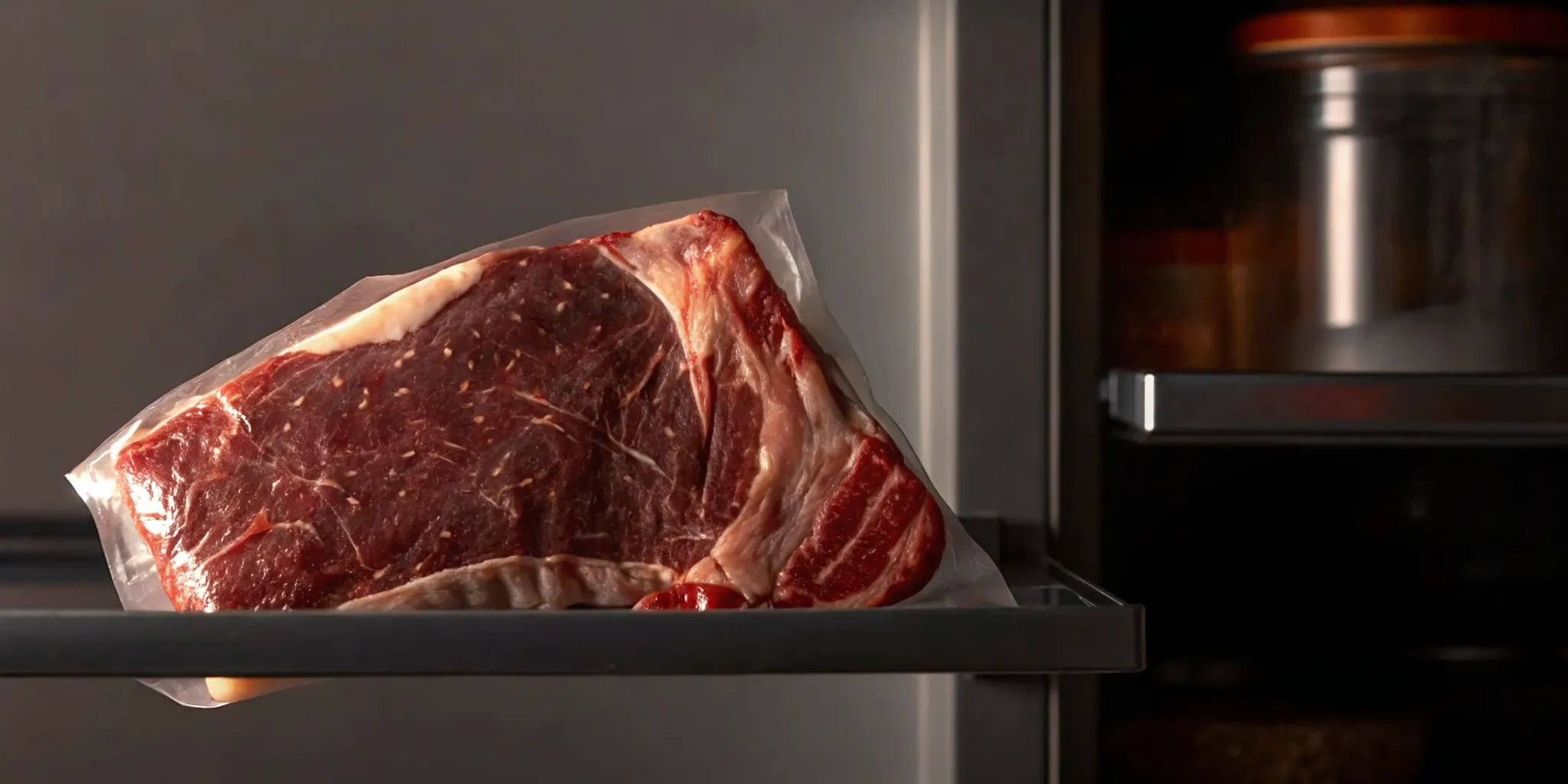
The exact timing depends on thickness, packaging, and refrigerator temperature. The USDA notes that a large frozen item may require 24 hours for every 5 pounds, while Wagyu-specific guidance commonly places individual steaks in the 18-to-24-hour range. When in doubt, start thawing earlier rather than leaving a premium cut to warm on the counter.
Cold water thawing is the faster option when dinner cannot wait for an overnight refrigerator thaw. Keep the Wagyu sealed in a leak-proof package, submerge it in cold tap water, and replace the water every 30 minutes. Small cuts usually thaw in 1 to 2 hours, while thick steaks may need 3 to 4 hours.
Use this method only when you can cook the steak right away. Cold water can speed thawing, but it gives you less temperature control than the refrigerator. The sealed package also matters: if water leaks inside, surrounding bacteria can reach the meat, and the steak may absorb water that leaves the surface slightly watery.
| Method | Time | Best For | Quality Impact |
|---|---|---|---|
| Refrigerator | About 18 to 24 hours; up to 30 hours for thick cuts. | Best overall quality and advance meal planning. | Most consistent texture and moisture retention. |
| Cold water | 1 to 2 hours; 3 to 4 hours for thick cuts | A same-day meal when you need faster results | Good when sealed correctly, though the meat may absorb some water. |
| Microwave | Varies by appliance. | Not recommended for Wagyu. | Uneven heating can begin cooking the edges and compromise texture. |
| Hot water or room temperature | Not recommended. | None. | Unsafe temperature changes can encourage bacterial growth and damage quality. |
Never switch to hot water or leave the package on the counter to hurry things along. Food can warm above 40 degrees Fahrenheit while the center remains frozen, creating an unsafe imbalance. For the best texture, reserve cold water thawing for a true time crunch and use the refrigerator whenever your schedule allows. Learn how to cook Wagyu once the steak is fully thawed.
The safest way to thaw Wagyu is slowly in the refrigerator, still sealed in its vacuum package. Avoid shortcuts that warm the outside before the center is ready. Because temperatures above 40°F can allow bacteria to multiply and uneven thawing can work against Wagyu's delicate marbling.
Premium beef rewards patience. Keep these common errors out of your thawing routine:
If your plans change, keep the steak cold rather than trying to speed up the process. A controlled thaw protects both food safety and the rich, even eating experience that makes Wagyu worth planning around.
Store Wagyu based on when you plan to cook it: refrigerate sealed steaks for the next day or two. Or freeze them at 0°F or below for longer storage. Keeping the original vacuum seal intact protects texture, limits moisture loss, and helps prevent raw-meat juices from contacting other foods.
Slickhorn Ranch packs beef vacuum-sealed in insulated packaging so it arrives below 40°F. Unbox the order as soon as it arrives. If you are cooking within one to two days, place the sealed steak in the coldest part of your refrigerator, away from ready-to-eat foods. Keep the package on a tray or in a sealed container in case the seal is damaged or condensation collects.
Do not open the package simply to inspect the steak. The intact seal gives the meat a protected environment while it waits for cook day. Raw meat should remain securely wrapped so its juices cannot leak onto produce, prepared foods, or refrigerator shelves. Wash your hands after handling the package, and clean any surface that contacts raw meat with hot, soapy water. For additional planning guidance, see our article on buying premium Wagyu online.
If you will not cook the steak within the next couple of days, move it to a freezer set at 0°F or below. Freeze it in the original vacuum-sealed packaging, then place it inside a second freezer-safe bag if you want another layer of protection against punctures or freezer burn. Properly frozen beef remains safe indefinitely, although quality is best protected when packaging stays airtight.
For the best texture, thaw the steak gradually in its sealed package in the refrigerator. Once thawed, plan to cook Wagyu within one to two days for peak quality. If your schedule changes, refrigerator-thawed beef can be refrozen without cooking, but some quality may be lost. Never leave the steak on the counter to thaw, and do not open the package until you are ready to season and cook it.
Cooked Wagyu leftovers should be transferred to a clean, covered container and refrigerated promptly rather than left exposed on the counter. Keep them separate from raw meat, and reheat only the portion you plan to serve so the remaining slices retain their texture.
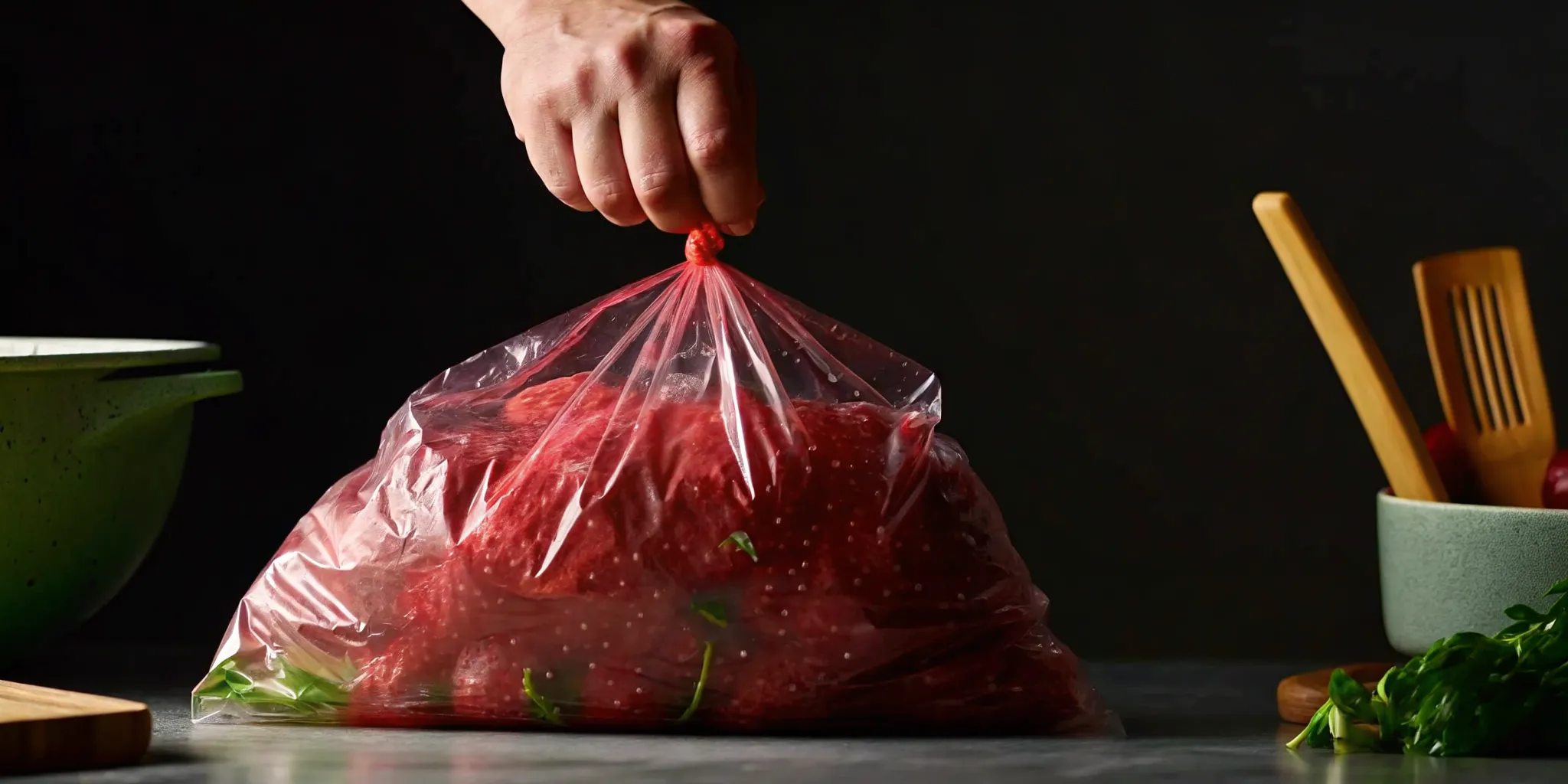
Keep the steak in its sealed vacuum package and thaw it gradually in the refrigerator. Set the refrigerator to 40 degrees F or below and place the package in a sealed dish on a low shelf. This controlled method protects texture and keeps the beef at a safe temperature. The USDA recommends refrigerator thawing as the safest approach: USDA safe defrosting guidance.
Yes, when time is short, but use cold water rather than warm or hot water. Keep the steak in a leak-proof bag, submerge it in cold tap water, and change the water every 30 minutes. Small packages may thaw in one to two hours. Cook the steak immediately after using this method, and remember that water thawing can slightly affect texture.
Most steaks need about 18 to 24 hours in the refrigerator, while especially thick cuts may need up to 30 hours. Allow extra time rather than forcing the process, and leave the package sealed during thawing. Once thawed, cook the steak within one to two days for peak quality.
Yes, cooking directly from frozen is safe, although it will take longer and may be less predictable than cooking a properly thawed steak. When possible, plan ahead and use the refrigerator method. Never thaw the steak on the counter or in hot water, since the outer surface can warm into the range where bacteria multiply quickly.
With the right storage and thawing routine, you can bring each steak from Tuesday delivery to the plate with care. When you are ready to plan your next meal, call Slickhorn Ranch at (801) 450-0341 to order premium Wagyu steaks and schedule your delivery.
Your cart is currently empty.
Start Shopping