


Wagyu Steak Recipes: 5 Ways to Cook Premium Beef at Home
Schedule your premium Wagyu delivery today. Master wagyu steak recipes that pair each cut with the right cooking method for a perfect crust and tender bite.
Schedule your premium Wagyu delivery today. Master wagyu steak recipes that pair each cut with the right cooking method for a perfect crust and tender bite.

Premium Wagyu rewards a steady hand more than a crowded ingredient list. Its abundant fat begins rendering at a lower temperature than conventional beef, so controlled heat matters from the first minute in the pan. Keep the seasoning simple, watch the surface closely, and let the cut guide the method.
Shop the Fullblood Wagyu cut collection and get steak worth cooking with care delivered to your door.
These wagyu steak recipes pair each cut with a method that respects its marbling. From a gentle reverse sear for thick ribeye to quick, focused cooking for leaner steaks. The goal is consistent doneness, rendered fat, and a deeply browned crust without masking the beef's natural flavor.
Start with ribeye when you want to see how gradual heat and a final sear can work together. A reverse sear gives a thick cut more even edge-to-edge doneness while leaving room to build the crust at the finish.
Reverse-searing a thick Wagyu ribeye uses gentle heat to bring the center close to its finishing temperature before a brief, hot sear builds the crust. The method limits the grey band at the edges and gives you better control over marbling that renders quickly.
Ribeye is a natural fit for this approach because its thickness and rich marbling reward patience. Wagyu fat renders at a lower temperature than conventional beef, so an aggressive start can overcook the interior before the surface is ready. Gentle cooking first helps the steak warm evenly while preserving a tender center. The final sear stays short and purposeful.
The goal is not a dark crust at any cost. If the skillet begins producing excessive smoke or pooled fat, lower the heat briefly and continue with control. The full reverse-sear walkthrough offers a more detailed look at the same technique, while this guide to pan searing a wagyu ribeye covers an alternate route for thinner steaks.
A cast iron skillet gives a Wagyu New York strip the steady, responsive heat it needs. Start by rendering the fat cap, then sear the broad sides over controlled heat. This approach develops a savory crust while protecting the leaner center from the drying and flare-ups that can come with high direct flames.
A New York strip rewards restraint. Wagyu fat has a lower melting point than the fat in conventional beef. So it begins rendering sooner and can push the steak from beautifully browned to overcooked faster than expected. Keep the pan hot enough to build color, but avoid an aggressive flame that burns the exterior before the fat has had time to soften.
Pat the steak dry and season it simply with sea salt and freshly cracked black pepper. You generally do not need a marinade. Set the strip on its fat-cap edge in a dry cast iron skillet over medium heat. Hold it upright with tongs and let the cap make steady contact with the pan. As the fat renders, tilt the steak through the rendered fat so it lightly coats the cooking surface.
Once the cap has developed an even golden color and released enough fat to coat the pan, lay the steak flat. Sear one broad side, then the other, turning as needed for an even crust. Work with the heat rather than against it. If the fat begins smoking heavily or darkening before the steak has browned, lower the heat and give the pan a moment to settle.
Keep the strip moving only when it improves contact or prevents scorching. Frequent flipping is not a problem, but constant repositioning can make it harder to judge the crust. Use an instant-read thermometer to decide when the steak is ready for your preferred doneness, since marbling and thickness affect timing.
For a fuller walkthrough, read perfecting your Wagyu New York strip. Let the steak rest for several minutes after cooking so its juices redistribute before slicing across the grain.
Sous vide is especially well suited to Wagyu filet mignon because the water bath brings this delicate. Leaner cut to a precise level of doneness from edge to center. A brief, very hot sear then adds the browned crust without leaving the interior exposed to prolonged heat.
Filet has a fine, tender texture but less exterior fat than a ribeye or strip. That makes precision valuable: you want the center exactly where you prefer it, while avoiding the overcooking that Wagyu's low-rendering fat can invite. Keep the seasoning restrained so the beef remains the focus.
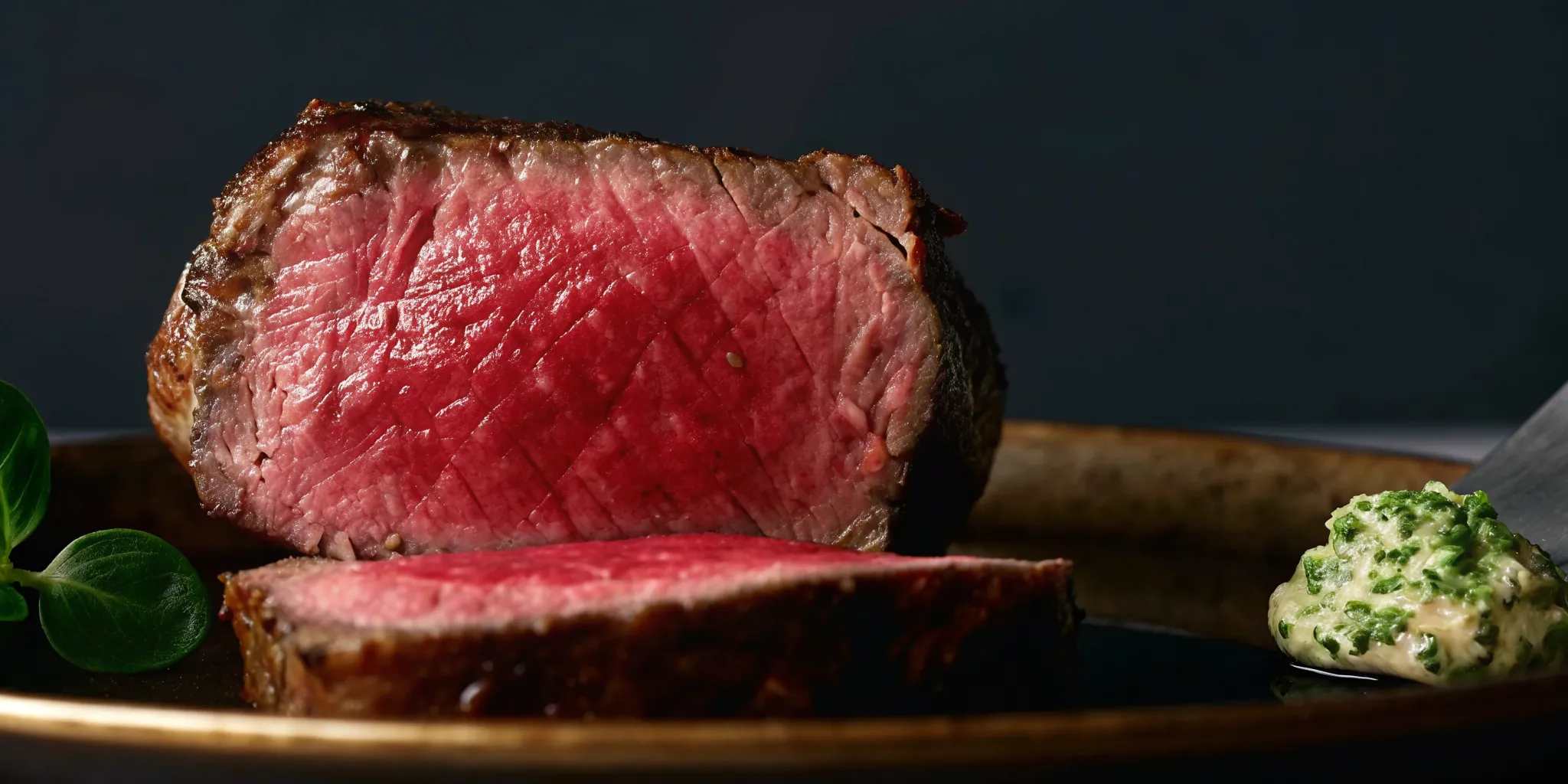 Learn more about managing heat when cooking Wagyu.
A flat iron is a practical Wagyu cut for the grill because its shape suits a quick, direct sear. Preheat the grate, keep the cook short, and manage flare-ups closely. The goal is a browned exterior with the interior protected from the uneven rendering that high heat can cause.
Unlike a very delicate, heavily marbled cut, a flat iron can handle the strong heat of a live grill. That does not mean it should be left unattended. Wagyu fat renders readily, and dripping fat can create sudden flames that scorch the surface before the center is ready. The customer guide recommends pan-searing as the most controlled option for Wagyu, but careful grill work can still produce a satisfying crust.
Start with a thoroughly preheated grill and a clean cooking grate. Brush the steak lightly with oil only if needed, then season simply with salt and freshly cracked black pepper. Wagyu brings plenty of flavor on its own, so a marinade can distract from the beef rather than improve it.
Place the flat iron over high, direct heat and stay near the grill. Turn it when the first side has developed a firm brown crust, then watch the edges for active dripping. If flames rise, move the steak briefly to a cooler area or close the lid long enough to settle the flare-up. Do not press down on the meat, since that forces out flavorful juices and feeds the fire.
A short cook is usually the better approach for this cut. Check doneness with an instant-read thermometer rather than relying only on time, since grill strength and steak thickness vary. If the surface is darkening too quickly, finish over indirect heat. That simple two-zone setup gives you a way to protect the crust while the center reaches your preferred doneness.
Transfer the steak to a board and let it rest for several minutes before slicing across the grain. Resting allows the juices to redistribute, while thin slices make the flat iron easier to chew and serve.
For more context on choosing a method, see this complete Wagyu steak guide.
A wagyu hanger steak is best cooked quickly over very high heat, then finished with a small spoonful of herb and garlic compound butter. The fast sear builds a browned crust while protecting the cut's tenderness, and the butter adds a savory finish without masking the beef's natural richness.
Bring the steak close to room temperature, then pat it thoroughly dry. Season simply with sea salt and freshly cracked black pepper. Hanger steak is already deeply flavorful, so it does not need a marinade or a crowded spice blend. A dry surface also helps the meat sear instead of steam.
Heat a heavy skillet until it is very hot. Add the steak and leave it undisturbed long enough to develop a dark, even crust, then turn it and sear the second side. Keep the cook fast and watch the pan closely. Wagyu fat renders at a lower temperature than conventional beef, which means excessive heat or extra time can push the steak past its best texture. Careful heat management is the key.
While the steak rests, combine softened unsalted butter with finely minced garlic and chopped herbs such as parsley, chives, or thyme. A small amount is enough. The goal is to complement the seared richness, not bury it under a sauce. Add the butter to the hot steak just before serving, or let it soften over the slices on the plate.
Transfer the hanger steak to a board and rest it for a few minutes so the juices can redistribute. Slice across the grain, which shortens the muscle fibers and makes each bite easier to chew. Serve immediately with the compound butter and a simple side that brings freshness to the plate. For more context on pairing premium cuts with restrained cooking, see this complete wagyu steak guide.
The best method depends on the cut, thickness, and amount of marbling: gentle cooking protects Wagyu's rich texture, while a brief sear builds the crust. Because marbling contributes richness, and cooking method can change palatability, match the technique to the steak rather than using one approach for every cut. Research on Wagyu palatability and the ranch's Wagyu steak guide support that cut-and-technique pairing.
| Cut | Best Method | Target Internal Temp | Approximate Cook Time | Ideal Doneness | Best For |
|---|---|---|---|---|---|
| Wagyu ribeye | Reverse sear | 125 F, rising to 130 F | 25 to 35 minutes, plus sear | Medium rare | Thick, heavily marbled steaks and edge-to-edge doneness |
| New York strip | Cast iron pan sear | 125 F, rising to 130 F | 5 to 8 minutes | Medium rare | Rendering the fat cap while protecting the leaner center |
| Filet mignon | Sous vide plus sear | 125 F, then a quick sear | 1 to 2 hours, plus 1 to 2 minutes | Medium rare | Precise doneness and a tender, delicate cut |
| Flat iron | High-heat grill | 125 F, rising to 130 F | 6 to 10 minutes | Medium rare | A quick crust with a flavorful, thinner steak |
| Hanger | Quick sear plus compound butter | 125 F, rising to 130 F | 4 to 7 minutes | Medium rare | Deep beef flavor with a simple finishing accent |
Use the temperatures as a guide, not a substitute for an instant-read thermometer. Wagyu fat renders readily, so high heat should be brief and deliberate, especially with richly marbled cuts. Pull the steak a few degrees before your final target, then rest it for several minutes before slicing. Keep seasoning restrained with salt and pepper so the beef remains the focus. 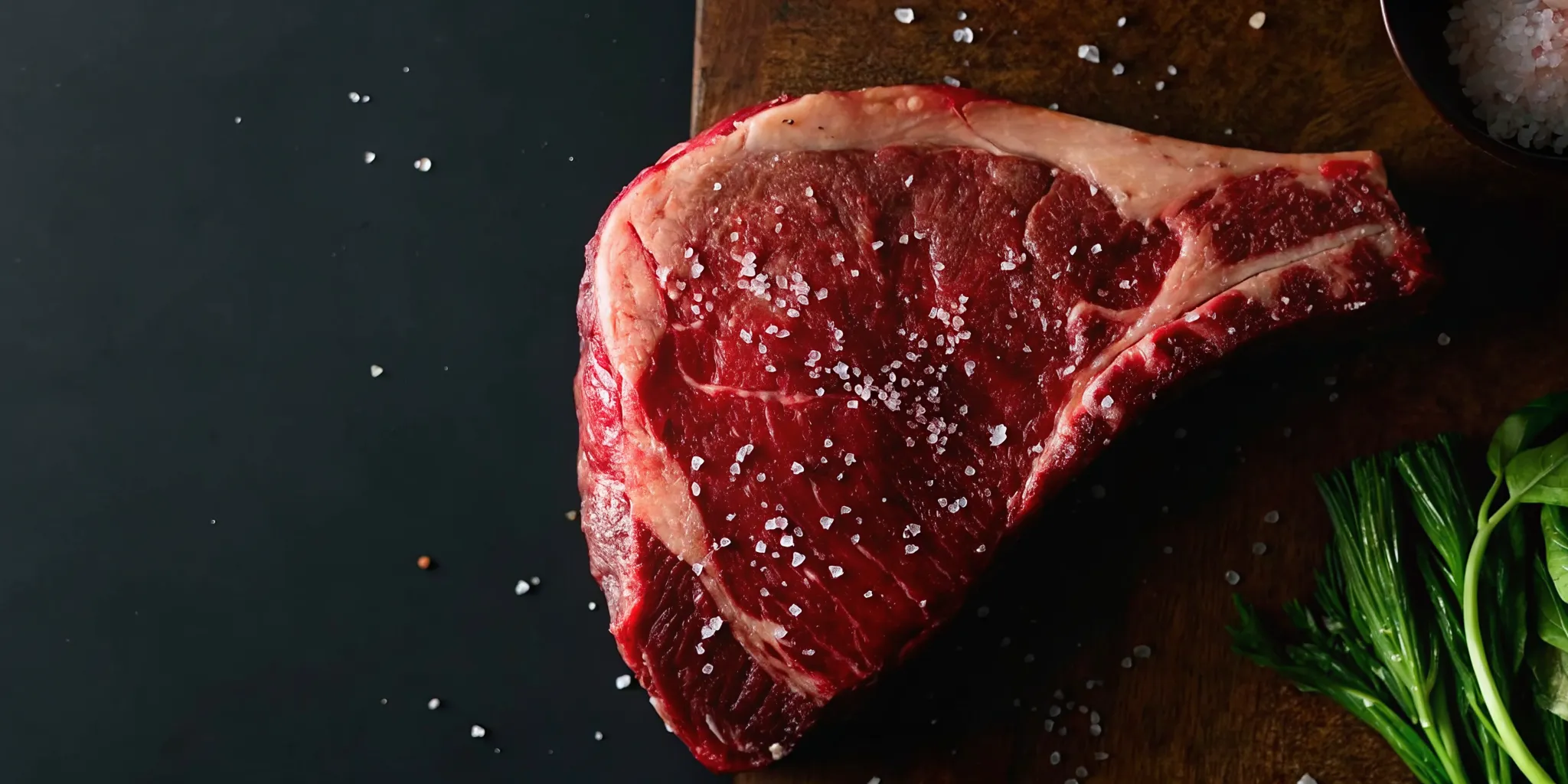
A few fundamentals carry across every recipe in this guide:
Ready to pick a cut? Browse the Fullblood Wagyu collection and cook one of these pairings tonight.
These answers cover the practical decisions that help you protect Wagyu's marbling. Manage its lower rendering temperature, and choose the right cooking approach for the cut in your kitchen.
No. Wagyu is flavorful on its own, so a marinade can distract from the beef and soften the surface unnecessarily. Season with sea salt and freshly cracked black pepper, then focus on controlled heat and a good sear.
Use a hot pan for a brief sear, turning the steak as needed to develop an even crust without overcooking the center. A5 has exceptionally intense marbling, so work in small portions, watch the rendered fat, and keep the seasoning restrained.
You can grill Wagyu, especially a cut suited to direct heat, but pan-searing is often easier to control at home. A skillet helps you manage rendering and reduces the risk of flare-ups from the beef's abundant fat.
Start the steak in a cast-iron skillet over moderate heat and give the fat time to soften and render before increasing the heat for the final crust. Wagyu fat renders at a lower temperature than conventional beef, so close attention helps prevent an overcooked steak.
Rest the steak after cooking so its juices can redistribute before slicing. A practical range is 5 to 10 minutes, depending on thickness. Set it on a plate without cutting into it during the rest, then slice against the grain where appropriate.
Choosing the right cut and method lets you make the most of Wagyu's rich marbling without overcomplicating dinner. When you are ready to put these pairings to work, shop the Fullblood Wagyu cut collection for steaks suited to your preferred recipe and cooking style. Start with one cut, keep the seasoning simple, and let careful heat control do the rest.
Your cart is currently empty.
Start Shopping