


Dry Aged Steak Recipe for Perfect Pan Searing
Get a dry aged steak recipe with measured ingredients, searing times, temperature targets, and resting tips for a reliable pan-seared dinner.
Get a dry aged steak recipe with measured ingredients, searing times, temperature targets, and resting tips for a reliable pan-seared dinner.

A dry-aged steak does not need a crowded ingredient list or a complicated sauce. It needs a dry surface, a hot pan, a thermometer, and enough restraint to let its concentrated beef flavor lead. This dry aged steak recipe gives you a repeatable pan-seared method for a crisp crust and a warm, rosy center. Shop USDA Prime and Choice dry-aged steaks for your next steak night.
Shop dry-aged beef and choose your cut.
This recipe uses a simple stovetop sear to build a browned crust while a thermometer protects the center from overcooking. Dry-aged beef has less surface moisture and a concentrated flavor, so careful drying, simple seasoning, and a short rest matter more than a heavy marinade or elaborate sauce.
The goal is not to change the character of the steak. The goal is to give the steak enough heat to brown, then stop cooking at the internal temperature you actually want.
One important distinction: a dry-aged steak is purchased already aged. You are cooking the steak, not trying to dry-age it in your home refrigerator. Slickhorn Ranch's 28-day dry-aging reference applies only to Prime and Choice cattle and related products. Do not assume every Slickhorn Ranch cut is dry aged, and do not treat Fullblood Wagyu as interchangeable with the dry-aged line.
For a broader explanation of the aging process, read Slickhorn Ranch's guide to cooking 28-day dry-aged steak. This recipe keeps the focus narrower: what to measure, what to do, and when to pull the steak from the pan.
You need one dry-aged steak, kosher salt, black pepper, a little high-smoke-point oil, and a heavy skillet. A digital instant-read thermometer, tongs, and a cutting board are the equipment that turn a good-looking plan into a repeatable result every time.
Keep the ingredient list short on purpose. If you want a more involved seasoning idea for another steak night, save this salt-and-seasoning guide for later. For this recipe, salt, pepper, and the dry-aged beef do the heavy lifting.
Thaw the steak completely, remove it from the refrigerator 30 to 45 minutes before cooking, and pat every surface dry. Season immediately before searing, or salt it up to several hours ahead if you can keep it chilled and uncovered on a rack.
If you prefer to salt ahead, place the seasoned steak uncovered on a rack in the refrigerator for one to four hours. Pat it dry again before cooking. Do not rinse it.
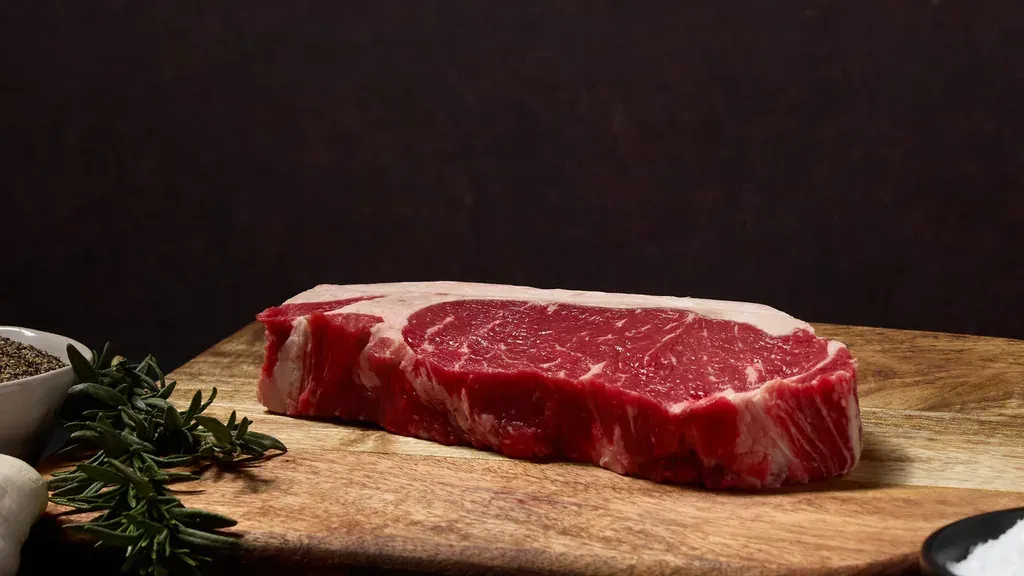
Heat the skillet until it is very hot, add a thin film of oil. And sear the steak for about 2 to 3 minutes per side before checking the temperature. Add optional butter and herbs only after the first crust forms, then baste briefly so the butter flavors the steak without burning.
For steaks thicker than 1 1/2 inches, the pan may brown the outside before the center reaches your preferred temperature. In that case, reduce the heat after the crust forms and finish gently, checking often. For a dedicated low-oven technique, see the reverse-sear guide, but treat it as a different method rather than an extra step in this recipe.
Use the thermometer to pull the steak a few degrees before its final target because cooking continues during the rest. For a warm red center, many cooks pull at 125 to 130 F and rest until the steak settles near 130 to 135 F. But your preferred doneness and food-safety choices should guide the final target.
| Doneness | Pull from pan | Approximate final temperature | Center appearance |
|---|---|---|---|
| Rare | 120 to 125 F | 125 to 130 F | Cool red center |
| Medium-rare | 125 to 130 F | 130 to 135 F | Warm red center |
| Medium | 135 to 140 F | 140 to 145 F | Warm pink center |
Temperatures are more useful than a fixed minute count because thickness, starting temperature, pan material, and burner strength all change the cooking rate. The existing Slickhorn Ranch beef temperature guide is a helpful reference when you are cooking a different cut or doneness.
For food safety, USDA recommends cooking whole cuts of beef to 145 F, measured with a food thermometer, followed by at least a 3-minute rest. The rare and medium-rare ranges above describe traditional doneness preferences and do not meet that USDA minimum. Follow package instructions for mechanically tenderized or injected steaks.
Move the steak to a clean cutting board and let it rest for 7 to 10 minutes before slicing. Resting gives the hot center time to settle, while slicing across the muscle fibers makes each bite easier to chew and keeps the crust intact.
Do not cover the steak tightly with foil. A loose tent is fine, but a tight wrap traps steam and softens the crust you worked to build. Use the resting time to finish a simple side or warm the plates.
Slice against the grain in pieces about 1/2 inch thick. Add a final pinch of salt only after tasting. Dry-aged beef can be assertive, nutty, and deeply savory, so a sharp green salad, roasted vegetables, or a simple potato side is often enough. For more ideas, browse what to serve with a premium steak.
Serve the steak right away. If you are cooking for more than one person. Slice at the table so the crust stays exposed and each guest can choose the center pieces or the more deeply browned edge pieces.
The most common dry-aged steak problems are a pale crust, an overcooked center, burnt butter, or a steak that tastes too salty. Each one has a practical fix: dry the surface, check the temperature earlier, add butter later, and season with a measured hand.
The best way to improve is to write down the steak's thickness, pull temperature, and final result. One small note turns the next steak into a more informed cook rather than another guess.
Get a dry-aged steak from Slickhorn Ranch and put this recipe to work.
A dry-aged steak recipe is easiest when you treat the steak as a finished premium ingredient: thaw it safely. Dry it well, season simply, sear in a hot skillet, check the center with a thermometer, and rest before slicing. The answers below cover the timing and technique questions that come up most often.
No. A marinade can hide the concentrated flavor that makes dry-aged beef distinctive and can leave the surface wet. Start with salt and pepper. Add a short butter baste at the end if you want an herbal finish.
Set a fully thawed steak out for about 30 to 45 minutes while you prepare the pan. Do not leave it at room temperature for hours. The purpose is a short prep window, not extended warming.
Yes. Heat the grill thoroughly, create a strong sear, and use an instant-read thermometer to finish at your preferred temperature. The skillet method in this recipe gives you more direct control over the butter baste and the crust.
It can. Dry aging reduces moisture, and a drier surface browns quickly. Thickness and starting temperature still matter, so begin checking early rather than relying on the recipe clock alone.
No. Slickhorn Ranch's 28-day aging reference applies only to Prime and Choice cattle and related dry-aged products. Fullblood Wagyu is a separate offering. Check the product or collection description before assuming a cut has been dry aged.
Keep the sides clean and fresh: roasted vegetables, potatoes, a crisp salad, or a bright sauce can balance the beef. Browse Slickhorn Ranch's pairing ideas when you want to build a full dinner.
Your cart is currently empty.
Start Shopping