


What Is the Best Cut of Beef? A Steak Guide
Get a practical answer to what is the best cut of beef, with picks for tenderness, flavor, grilling, slow cooking, occasions, and value from Slickhorn Ranch.
Get a practical answer to what is the best cut of beef, with picks for tenderness, flavor, grilling, slow cooking, occasions, and value from Slickhorn Ranch.

What is the best cut of beef? The honest answer depends on what you want on the plate. Ribeye brings rich marbling, filet mignon brings unmatched tenderness, and New York strip offers a confident middle ground. For a slow Sunday cook, chuck roast or brisket can be the better choice. Shop Slickhorn Ranch's Fullblood Wagyu cuts when you are ready to choose your next steak.
The best cut of beef is the one that matches your desired balance of tenderness, flavor, cooking method, and occasion. Choose ribeye for rich, marbled flavor, filet mignon for maximum tenderness, New York strip for a balanced steak, and chuck or brisket when you want a rewarding low-and-slow meal.
There is no universal winner because beef cuts are built differently. A lightly worked muscle from the loin can be naturally tender and ready for a quick sear. A harder-working shoulder or chest cut contains more connective tissue, which can become silky and tender after a patient braise or smoke.
The best choice also depends on how you like to cook. If you want dinner on the table quickly, start with a steak cut designed for high heat. If you enjoy tending a Dutch oven or smoker, a roast may deliver more flavor and a more satisfying cooking project. The right question is not only, "Which cut is best?" It is, "Best for what?"
Filet mignon is the classic choice for tenderness, ribeye is the strongest choice for rich flavor, and New York strip is the most balanced all-around steak. Chuck eye and top sirloin can offer excellent value when you want beefy character without choosing the most expensive cut on the menu.
Use the guide below as a decision tool rather than a rigid ranking. Marbling, thickness, grade, and preparation all affect the final bite. A well-cooked, properly rested steak can outperform a more expensive cut that was overcooked or sliced with the grain.
| Cut | Best for | What to expect | Best method | Choose it when |
|---|---|---|---|---|
| Ribeye | Bold flavor | Rich marbling and a juicy, beef-forward bite | Grill or pan-sear | You want the most generous flavor and a steakhouse feel |
| Filet mignon | Maximum tenderness | Fine texture and a mild, delicate flavor | Pan-sear or grill | Tenderness matters more than intense beef flavor |
| New York strip | Best balance | Firm, meaty texture with satisfying marbling | Grill or cast-iron sear | You want a dependable steak with both flavor and bite |
| Top sirloin | Everyday steak | Lean, beefy character with a practical shape | Grill or broil | You want a versatile cut for a weeknight meal |
| Chuck eye | Value and flavor | Ribeye-like character from the shoulder side of the rib line | Quick, hot sear | You want a flavorful alternative to a classic ribeye |
| Bavette or flank | Big beef flavor | Open or pronounced grain that rewards correct slicing | Hot grill, then slice against the grain | You are serving tacos, salads, or sliced steak |
| Chuck roast | Slow cooking | Deep flavor that develops as connective tissue softens | Braise or slow roast | You want pull-apart beef instead of a fast-cooked steak |
For a visual reference to the animal's major regions, read Slickhorn Ranch's beef cuts chart. That article explains where cuts come from. This guide answers the next buyer question: which cut fits the meal you actually want to make?
Your cooking method should narrow the decision before you choose a label. Use ribeye, filet, strip, or top sirloin for quick dry-heat cooking; choose chuck roast or brisket for slow, moist cooking; and choose bavette, flank, or skirt when you want a fast sear followed by thin slicing.
Match the cut to the amount of heat and time you can give it. Tender steaks generally need only a hot surface, a thermometer, and a short rest. Tougher cuts are not lesser cuts. They simply need time for connective tissue to break down and for the finished texture to become tender.
If you want a deeper look at one of the most useful alternatives, compare bavette and flank steak. If you want a true low-and-slow project, Slickhorn Ranch's Wagyu chuck roast guide explains why steady heat and moisture matter.
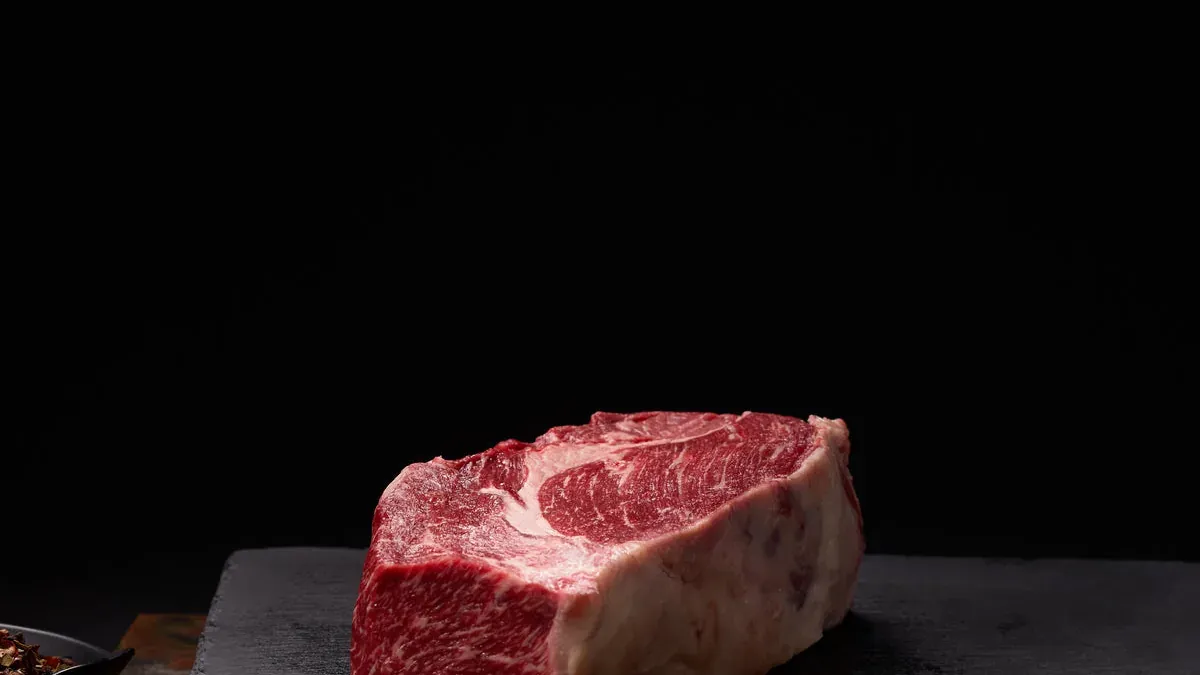
Ribeye, filet mignon, and New York strip are dependable special-occasion choices because each delivers a clear experience: rich marbling, exceptional tenderness, or balanced steakhouse flavor. A curated beef box can be a better choice when the occasion calls for variety, gifting, or several meals instead of one centerpiece steak.
Start with the experience you want to create. Ribeye is a strong choice when guests love rich flavor and visible marbling. Filet mignon works when the table is focused on tenderness and a refined texture. New York strip is a smart middle ground for a group with different preferences because it offers a firm bite and a familiar steakhouse profile.
Fullblood Wagyu adds another dimension through its fine marbling and buttery texture. Slickhorn Ranch's Fullblood Wagyu steak collection is the most direct place to compare steak cuts, while the broader Fullblood Wagyu collection includes more than steaks. Availability can change, so use the live collection to see what is currently offered rather than assuming every cut is always in stock.
Dry aging is a separate choice from the cut itself. At Slickhorn Ranch, 28-day dry aging applies to Prime and Choice cattle, while Fullblood Wagyu is kept fresh to preserve its own flavor profile. If you are comparing aging styles, start with what an aged steak means before choosing between fresh Fullblood Wagyu and dry-aged beef.
Marbling contributes richness and juiciness, tenderness describes how easily the meat bites and chews, and flavor reflects both the muscle and the fat. The best cut depends on which quality you value most, because a very tender filet does not taste like a deeply marbled ribeye, and neither cooks like a chuck roast.
Think of tenderness and flavor as related but separate. Filet mignon is prized for its soft texture, but its flavor is more delicate than ribeye. Ribeye carries more internal fat and often gives a fuller, richer bite. New York strip sits between those extremes with a more pronounced beef flavor and a firm, even texture.
Marbling is not a reason to ignore cooking technique. Richly marbled beef can still be overcooked, and leaner cuts can still be excellent when cooked to the right temperature and sliced properly. For Fullblood Wagyu, simple seasoning and a fast sear help keep the beef's natural character in focus. Slickhorn Ranch's seasoning guide for Wagyu steak covers that approach in more detail.
For shoppers who are new to premium beef, the most useful questions are straightforward:
For a broader introduction to premium steak selection, read Slickhorn Ranch's Wagyu steak guide. It explains how marbling, grade, and preparation work together without reducing the decision to one magic cut.
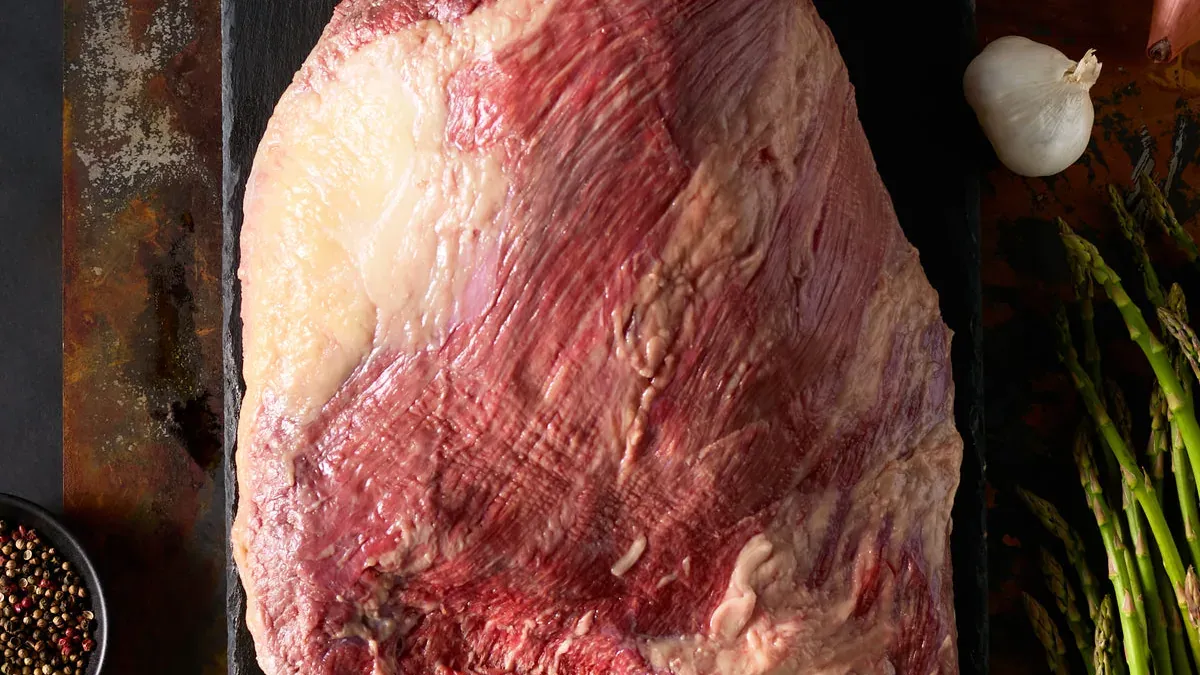
If you are still unsure, choose New York strip for a balanced first steak, ribeye for the richest flavor, filet mignon for tenderness, or chuck roast for a forgiving slow-cooked meal. When you want to explore several styles at once, begin with a curated box and use each cut to learn your preferences.
New York strip is often the safest starting point because its shape is predictable and its flavor is clear. Ribeye is the better choice when marbling and juiciness are the main event. Filet mignon is the natural choice for someone who values tenderness above everything else. Chuck roast is ideal for a cook who would rather build a meal over several hours than rush a steak to the table.
Buying more than one cut can be useful because your preference may change with the occasion. A rich ribeye may be perfect for a celebration, while top sirloin may be easier to use for a casual dinner. A roast may become your favorite once you discover how much flavor a slow cook can develop.
Slickhorn Ranch's curated beef boxes can help shoppers compare cuts across multiple meals. For a direct comparison between Fullblood Wagyu and dry-aged offerings, browse the USDA Prime and Choice collection as well. Remember that 28-day aging applies only to Prime and Choice cattle, not to every beef product.
Once you have chosen the cut, keep the rest of the plate simple. The Wagyu pairing guide recommends bright, acidic, or lightly charred sides that complement rich beef instead of burying it under heavy sauces.
Get a curated beef box and compare premium cuts across your next few meals.
The best beef cut depends on the result you want, not on one universal ranking. Ribeye leads for rich flavor, filet mignon leads for tenderness, New York strip offers balance, and chuck roast or brisket win when time and slow cooking can turn connective tissue into a tender, flavorful meal.
Ribeye is often considered the best all-around choice for rich flavor and marbling, while filet mignon is the classic choice for maximum tenderness. New York strip is a strong compromise when you want both a firm bite and satisfying beef flavor. Your cooking method and personal preference should make the final call.
Commonly prized tender cuts include filet mignon, ribeye, New York strip, top sirloin, and tenderloin. Tenderness varies with the exact piece, thickness, grade, preparation, and doneness. Proper cooking and resting matter as much as the name on the label.
Ribeye, New York strip, filet mignon, top sirloin, and chuck eye are strong grilling choices. Select a cut with a shape and thickness you can manage, preheat the grill thoroughly, and use a thermometer rather than guessing by time alone.
Chuck roast and brisket are excellent slow-cooking choices because they contain connective tissue that softens with steady, gentle heat. Braising, smoking, or slow roasting can turn these hardworking cuts into tender beef with deep flavor.
Top sirloin, chuck eye, bavette, and other lesser-known cuts can offer strong flavor and versatility. The best value depends on whether you want a quick steak, a sliced meal, or a roast that feeds several people. Compare the cut's cooking needs with the occasion before comparing labels.
Contact Slickhorn Ranch to choose a premium beef cut that fits your next meal.
Your cart is currently empty.
Start Shopping