


How to Cook Steak in Oven: Temperature and Timing Guide
Get reliable results with how to cook steak in oven, using temperature targets, timing by thickness, sear-first or broil methods, and resting tips.
Get reliable results with how to cook steak in oven, using temperature targets, timing by thickness, sear-first or broil methods, and resting tips.

When the weather turns rough or the grill is not available, learning how to cook steak in oven can still deliver a browned crust and a juicy center. The key is to match the method to the steak's thickness, use an instant-read thermometer, and let carryover cooking work in your favor.
Browse Fullblood Wagyu steaks from Slickhorn Ranch for your next oven-cooked dinner.
To cook steak in the oven, dry and season the meat. Then either broil it in a hot oven or sear it in an oven-safe skillet before finishing it in the oven. Use internal temperature rather than the clock to judge doneness, remove the steak slightly early, and rest it before slicing.
That approach works for a weeknight ribeye, a thick New York strip, or a premium cut you have been saving for the right occasion. The oven gives you steady, enclosed heat, while a heavy skillet or broiler supplies the high heat needed for a flavorful crust. This guide covers both paths without turning the recipe into a cut-specific Wagyu tutorial.
The best oven method depends on thickness and equipment. Use a broiler or hot sheet pan for a simple oven-only approach, or sear the steak in an oven-safe skillet first for a darker crust. For steaks around 1.5 inches or thicker, a gentler oven finish gives you more control than timing alone.
There are two dependable ways to cook steak in the oven. The oven-only method is straightforward and keeps the stovetop clean. The sear-then-oven method takes one extra step, but it creates a deeper crust because the steak contacts a very hot pan before the oven finishes the center.
| Method | Best for | Heat setup | What to expect |
|---|---|---|---|
| Oven-only broil. | About 1 inch thick, quick meals, no stovetop. | Hot broiler with steak on a rack or preheated pan. | Fast cooking and strong surface browning, with close thermometer checks. |
| Sear, then oven. | About 1.25 to 2 inches thick, pronounced crust. | Hot oven plus a heavy oven-safe skillet. | More crust development and a controlled finish for the center. |
| Low oven, then sear. | Very thick steaks, edge-to-edge doneness. | Low oven followed by a brief skillet sear. | A reverse-sear style result with less gray banding. |
If you want the science and complete workflow for the third option, see Slickhorn Ranch's guide to reverse searing a steak. Here, the focus is broader: how to cook a steak in the oven when you need a practical temperature and timing framework.
For a sear-then-oven method, heat the oven to about 375 to 425 degrees F. Choose the lower end for thicker steaks and more gradual cooking, and the higher end for a faster finish. For oven-only broiling, use high broil heat and keep the steak close enough to brown without burning.
Oven temperature is a control, not a guarantee. A 400 degree F oven may finish a one-inch steak quickly but take much longer with a two-inch cut. The pan, starting temperature, bone, marbling, and desired doneness all change the result. That is why time ranges are useful for planning, while the thermometer makes the final call.
For food safety, the USDA recommends cooking whole beef steaks to a minimum internal temperature of 145 degrees F. Measure it with a food thermometer, then allow at least a three-minute rest. If you prefer a lower doneness, understand that it falls below that federal minimum. Read the USDA safe temperature chart and choose the approach that fits your household.
Premium beef deserves the same careful temperature control as any other steak. Slickhorn Ranch's Steak 101 guide explains how cut, grade, marbling, and cooking method affect the finished bite. Fullblood Wagyu and USDA Prime or Choice beef can respond differently as fat warms, so avoid treating every steak as if it came from the same package.
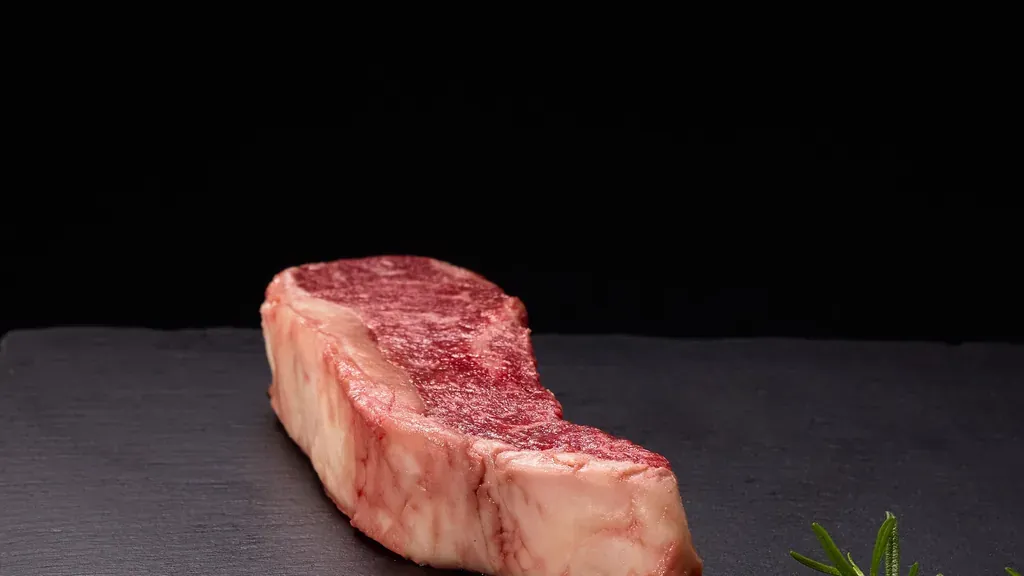
Prepare steak by thawing it safely, patting the surface completely dry, seasoning it evenly, and giving it time to lose its refrigerator chill. A dry surface browns more readily, while an instant-read thermometer and oven-safe pan help you manage the difference between a thin steak and a thick one.
Start with a fully thawed steak. If it is frozen, follow a safe thawing method instead of putting a frozen center into a hot oven. Slickhorn Ranch's steak storage and thawing guide covers the handling details.
For highly marbled beef, simple seasoning often makes the most sense. The best seasoning for Wagyu steak is usually the one that supports the beef instead of competing with it. Salt, pepper, and good heat can do more than a heavy coating.
For an oven-only steak, place the seasoned meat on a rack over a sheet pan or in a preheated oven-safe pan, then broil and flip it as needed. Begin checking early because broiling moves quickly. The steak is ready when its center reaches your selected target, not when a fixed timer ends.
Oven-only cooking is useful when you do not have a cast-iron skillet, want less stovetop smoke, or need to cook several steaks with similar thickness. Position the oven rack according to your broiler's instructions, usually several inches below the element. Preheat the broiler and the pan if the pan is designed for that use.
Exact minutes vary so much by thickness, starting temperature, rack position, and broiler strength that a universal time promise is misleading. Start checking a one-inch steak after a few minutes per side, then adjust from what the thermometer tells you. Do not cut into the center repeatedly to check it; each cut releases juices and gives you less useful information than a thermometer.
To sear steak before finishing it in the oven, heat an oven-safe skillet until very hot, dry the steak again, and brown each broad side briefly. Move the skillet into a preheated oven, then check the center frequently. This method pairs a strong crust with steady enclosed heat for the middle.
Heat the oven before you start the sear. A 400 degree F setting is a practical starting point for many steaks, while a lower setting gives thick cuts more time to warm evenly. Put a heavy skillet over medium-high to high heat, add a thin film of high-smoke-point oil. And wait until the pan is ready to brown rather than merely warm.
Lay the steak away from you and let it make firm contact with the pan. Sear the first side until it releases easily and shows a brown crust, then turn it. Sear the edges briefly if the cut has a fat cap. Add butter or herbs only if you can control the heat; burnt butter can cover the flavor you worked to develop.
Move the skillet into the oven and begin checking the steak early. A steak that is 1.25 inches thick may need only a short finish, while a two-inch steak can take substantially longer. For a thick, evenly cooked result with a final high-heat crust, use the reverse-sear method instead of searing first.
Thickness matters more than weight when estimating oven time. Thin steaks heat through quickly and can overcook while the crust develops. Thicker steaks need a longer, gentler finish and benefit from earlier thermometer checks. Use the ranges below as starting points, then adjust for your pan, oven, starting temperature, and desired doneness.
| Steak thickness | Useful starting method | Timing approach | Best control |
|---|---|---|---|
| About 1 inch. | Broil or sear, then oven. | Check after a few minutes of oven time. | Frequent thermometer checks. |
| About 1.25 to 1.5 inches. | Sear, then oven. | Check early, then every few minutes. | Pull slightly early for carryover. |
| About 2 inches. | Lower oven or reverse sear. | Allow a longer, gentler center cook. | Low oven plus final high-heat sear. |
Thickness is also one reason a ribeye, New York strip, and filet may not finish at the same pace even when they weigh the same. For cut-specific context, review Slickhorn Ranch's guides to cooking Wagyu ribeye, cooking New York strip steak, and cooking filet mignon. Keep this guide's temperature logic, but let the cut guide your expectations for fat and texture.
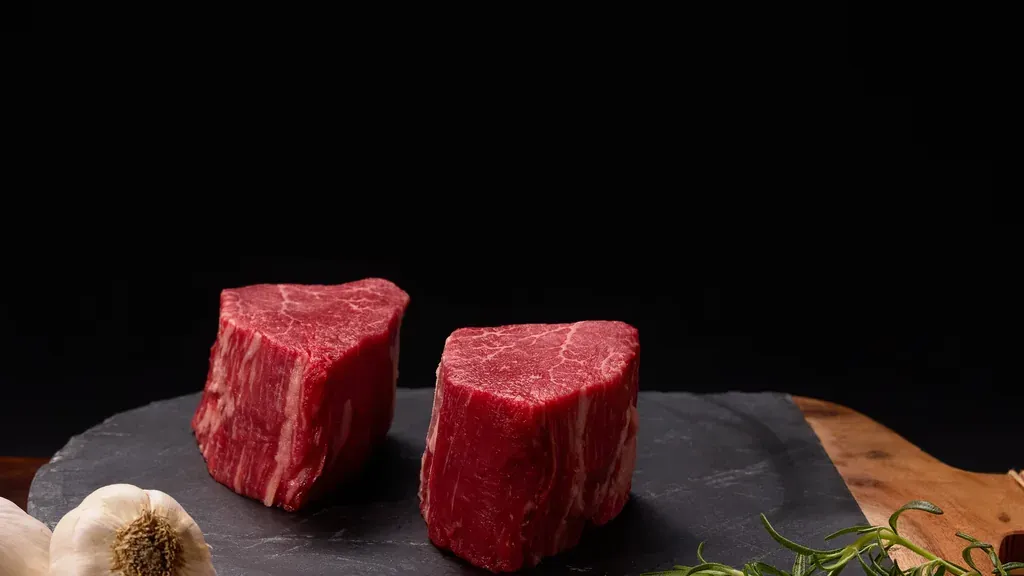
Check steak in the thickest part with an instant-read thermometer, then account for carryover cooking as it rests. The center may rise several degrees after removal, especially in a thick cut. Move the steak to a clean board, rest it loosely, and slice only after the surface juices have settled.
Use temperature targets as a guide, not a promise that every steak will behave identically. The following ranges describe common preferences before the rest, but the USDA safety minimum remains 145 degrees F with a three-minute rest for whole beef steaks.
| Doneness preference | Common pull range | What to look for |
|---|---|---|
| Rare. | 120 to 125 degrees F. | Deep red to rosy center and a soft feel. |
| Medium-rare. | 125 to 135 degrees F. | Warm rosy center with a springy feel. |
| Medium. | 135 to 145 degrees F. | Pink center with more resistance. |
| Medium-well and well. | 145 degrees F and above. | Little to no pink, with a firmer texture. |
Carryover cooking is not a fixed number. A thick steak, a hotter oven, and a hotter pan can continue rising more than a thin steak cooked gently. Start checking early and remove the steak when it is close to your target. Rest it for at least three minutes for the USDA minimum, and five to ten minutes is often useful for a thick cut.
Slice across the grain when the cut calls for it, and serve promptly. If you are building a complete meal, the Wagyu steak pairing guide offers bright sides and sauces that balance rich beef. For another broad dinner plan, see Slickhorn Ranch's guide to a perfect steak dinner at home.
Yes, premium beef can be cooked in the oven when you manage surface moisture, heat, and internal temperature carefully. Fullblood Wagyu, USDA Prime, and other well-marbled steaks do not need complicated treatment. Dry the surface, season simply, choose the right method for thickness, and avoid cooking by time alone.
Marbling changes how a steak feels as it cooks, but it does not remove the need for basic technique. A hot surface develops browning, while controlled oven heat brings the center to the temperature you want. If you are choosing between Fullblood Wagyu and dry-aged beef, compare the cut, thickness, and flavor profile before deciding which method suits your dinner.
Slickhorn Ranch offers Fullblood Wagyu and a separate USDA Prime and Choice collection. The ranch's 28-day dry aging applies to Prime and Choice cattle and related products only, not to all Slickhorn Ranch beef. For a general educational overview of dry aging, read what dry-aged steak means before choosing a cooking plan.
Choose a Prime or Choice steak for a measured oven finish and a classic beef-forward dinner.
Cooking steak in the oven is reliable when you use the thermometer as the decision point. Choose broiling for a simple oven-only method, sear first when you want a darker crust, adjust for thickness, and rest the steak before slicing. The oven is flexible, but the steak's center temperature is decisive.
There is no single safe time for every steak. A one-inch steak may finish in minutes, while a two-inch steak needs longer, gentler heat. Start checking early and use thickness, oven temperature, pan type, and internal temperature to decide when it is ready.
Yes. Broil the steak on a rack or preheated oven-safe pan, flipping it as needed. The surface may not match the crust from a very hot skillet, but careful broiling can produce a satisfying result without using the stovetop.
For a sear-then-oven method, 375 to 425 degrees F is a practical range. Use high broil heat for an oven-only method. Adjust for thickness and start checking early, because ovens, pans, and steaks vary.
Yes. Resting gives carryover cooking time and helps the juices settle. Follow the USDA minimum of three minutes for whole beef steaks, and consider five to ten minutes for a thicker cut.
Broiling supplies stronger direct heat and is useful for thinner steaks. Baking or roasting at a moderate temperature gives you more control over a thick center. A sear-then-oven approach combines both strengths when you want a dark crust and an evenly cooked middle.
Your cart is currently empty.
Start Shopping